Ghana’s cashew industry faces processing gap as Côte d’Ivoire moves to capture more value
Ghana’s cashew industry is facing growing concerns over its limited capacity to process raw nuts locally, with industry players warning that the country risks losing significant economic benefits as neighbouring Côte d’Ivoire rapidly expands its cashew processing sector.
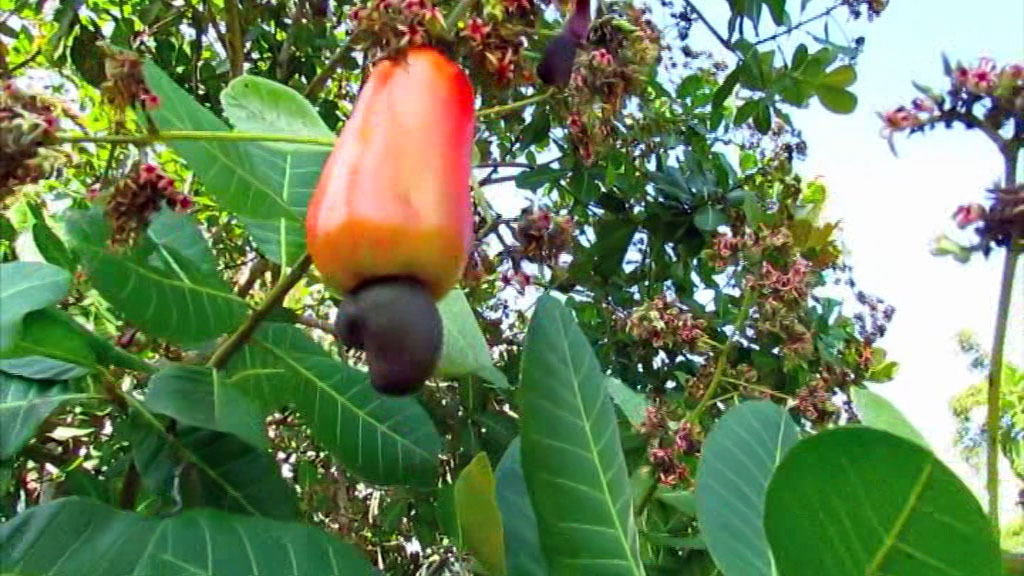
Ghana's cashew industry is wrestling with a significant processing shortfall as Côte d'Ivoire ramps up its value-adding efforts. The West African nation produces an estimated 262,000 metric tonnes of raw cashew nuts annually, yet processes less than six percent of that locally. As a result, most nuts are exported unprocessed to Vietnam and India, where they are refined and sold at a higher price.
This situation has raised concerns among farmers, processors, and stakeholders, who argue that Ghana is missing out on job creation, industrial growth, and increased export earnings. The decline in farm-gate prices faced by farmers is attributed to market uncertainties, rising production costs, and limited local demand. Industry observers emphasize the importance of boosting local processing capacity to create a stable market for farmers and ensure more value from cashew remains within Ghana.
In contrast, Côte d'Ivoire has made remarkable strides in the cashew industry through substantial investment in local value addition. Over the past two decades, the Ivorian cashew sector has grown from approximately 180,000 tonnes in 2005 to nearly 1.5 million tonnes in 2025. The sector is a major export crop, driving economic activity, particularly in northern, eastern, western, and central regions of the country.
Côte d'Ivoire currently supports around three million people and covers about 70 percent of the nation's territory. The government has taken deliberate steps to support the processing industry since 2016, offering incentives like financial aid for processors, tax exemptions for imported equipment, and access guarantees for raw materials.
Special agro-industrial zones have also been established to attract investments. Additionally, institutions like the Cashew Transformation Technologies Innovation Centre (CITA) have been set up to enhance technical skills and processing technologies. Looking forward, Côte d'Ivoire aims to process between 50 and 60 percent of its raw cashew production locally by 2030, with the goal of processing about one million tonnes domestically.
The strategy also focuses on improving storage facilities, strengthening traceability, promoting the "Origin Côte d'Ivoire" brand, and developing markets for cashew by-products. Ghanaian stakeholders believe the country can replicate such success by implementing stronger policies to support processors and farmers, investing in processing factories, improving access to finance, enhancing storage facilities, and promoting Ghanaian cashew kernels internationally.
With global demand for cashew products on the rise, experts believe that strengthening local processing can transform Ghana's industry into a significant source of jobs, income, and industrial development.
Written by urgent.news from Joy Business's reporting — not their text. Machine-written — may contain errors; check the original before relying on it.