FEATURE: In southern Nigeria, volunteers confront hunters, poachers to protect wildlife, build climate resilience
As wildlife declines, community volunteers are standing up to rescue endangered species and curb illegal hunting in Southern Nigeria. Ifoma Inyang never intended to take over her late mother’s bushmeat stall. But five years after her mother’s sudden death, the modest wooden shed by the edge of the Ediene Ikot community in Uyo Local Government, […] The post FEATURE: In southern Nigeria, volunteers…
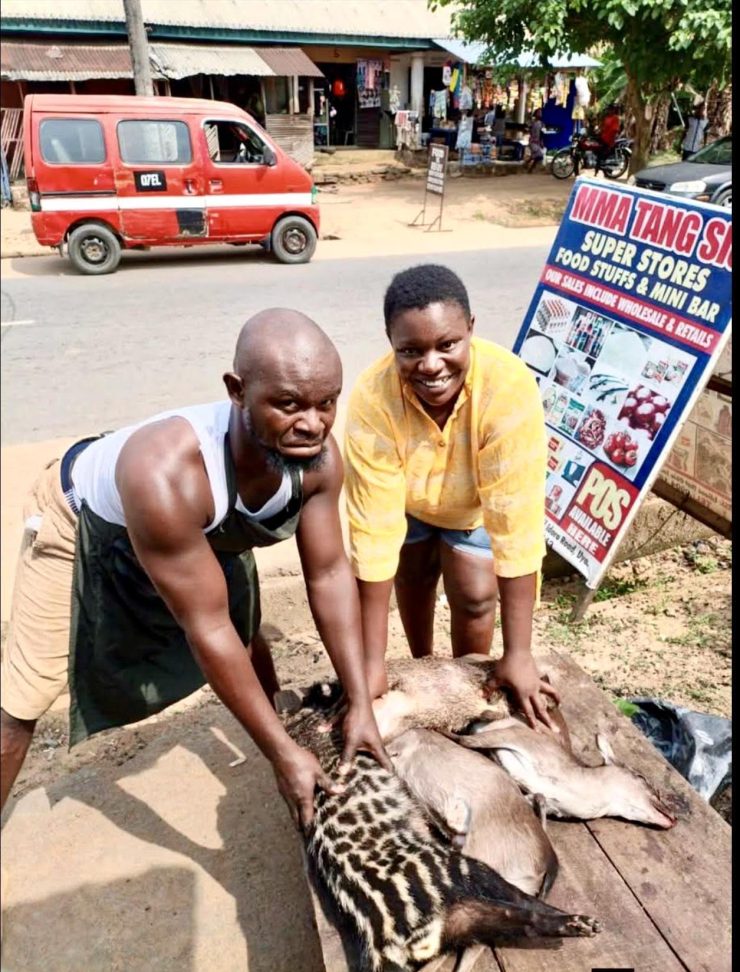
In southern Nigeria, community volunteers are stepping in to protect wildlife and combat illegal hunting. Ifoma Inyang, who inherited her mother's bushmeat stall after her passing, now runs the business out of a small wooden shed near the Ediene Ikot community in Akwa Ibom State. Despite her mother's sudden death five years ago, Ifoma continues to serve exotic meats like crocodile, bat, and leopard, as well as palm wine and bushmeat pepper soup to locals.
The bushmeat trade is a growing concern in Nigeria, with demand rising in cities like Akwa Ibom, Abuja, and Lagos. In 2021, a WildAid study revealed that 70% of urban residents in major cities reported consuming bushmeat in the past year, up from 45% in 2019. WildAid estimates that the illegal wildlife trade is worth $7.8 billion to $10 billion annually, making it the fourth most lucrative criminal enterprise after drugs, human trafficking, and arms.
Nigeria's deforestation rates are alarming, with the World Bank reporting a 15% decline in tree cover between 2001 and 2025. Deforestation threatens the habitats of vulnerable species such as pangolins, chimpanzees, forest elephants, and drills. The loss of forests not only endangers wildlife but also increases the risk of zoonotic diseases, as close contact between humans and wild animals intensifies.
However, some local residents are working with the Biodiversity Preservation Center (BPC) to rescue animals, report illegal hunting, and raise awareness about the importance of wildlife protection. Established in 1996, the BPC operates in Akwa Ibom and Cross River states, two regions that still contain significant rainforest ecosystems. The organization combines conservation efforts in the wild with the rescue and rehabilitation of animals removed from their natural habitats.
Written by urgent.news from Ripples Nigeria's reporting — not their text. Machine-written — may contain errors; check the original before relying on it.