Facial recognition technology 'scope creep' is upon us, experts warn
Industry groups say the move to facial scans in supermarkets is about safety, but analysts say that once the technology is installed, its "scope creep" paves the way for options like discriminatory pricing.
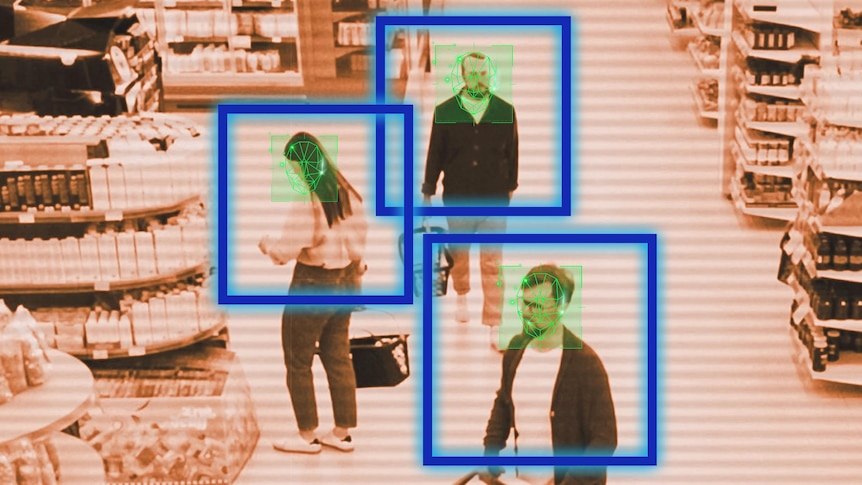
Facial recognition technology is becoming increasingly prevalent in Australian supermarkets, raising concerns among experts about potential privacy intrusions. Supermarkets initially implemented cameras in exit gates and bagging areas, but have now begun trialing facial recognition technology to deter crime. Coles and Woolworths launched trials in August, with about a third of retail workers reporting feeling unsafe in their workplaces, according to a union survey of approximately 3,000 staff.
Recent reports indicate an 85% increase in abuse towards retail staff in Victoria over the past two years.
The technology works by scanning a person's face to create a unique digital code, identifying them without their explicit consent. While the supermarket giants have not definitively stated whether the technology will be implemented in Australian stores, industry groups argue it is for safety reasons. However, experts warn that once installed, scope creep—a phenomenon where society gradually accepts new uses for the technology—will likely follow, leading to privacy concerns.
Lauren Perry from the University of Technology Sydney expresses worry that facial recognition could shift from safety and security to customer experience, potentially disadvantaging consumers. She argues that people should be wary of privacy-invasive uses such as tailored shopping experiences or discriminatory pricing. Furthermore, Kiley Seymour, a neuroscience researcher, warns that being frequently surveilled could alter mental processes, leading to increased social anxiety and paranoia.
Mark Andrejevic, a surveillance expert from Monash University, points out that facial recognition is historically less accurate for people with darker skin, women, and older individuals, potentially causing wrongful bans from stores. Australia lacks a dedicated facial recognition law, relying on the Privacy Act for regulation, which does not explicitly permit or ban its use. A government survey indicates that nearly 90% of Australians are more concerned about facial recognition than they were five years ago.
Andrejevic stresses the need for clear guidelines and regulations regarding the use of facial recognition technology, including transparency and public disclosure of accuracy and bias ratings. He also emphasizes that notification should be provided to individuals included in the database, ensuring proper consent and protection of personal information.
Written by urgent.news from ABC News AU's reporting — not their text. Machine-written — may contain errors; check the original before relying on it.