Even small amounts of ocean plastic can affect petrel chicks
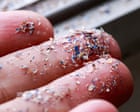
Ocean plastic pollution is accidentally on the menu for southern giant petrel chicks. Even small nibbles of it may affect their physiology during development, according to a study from the University of California, Davis, and Argentina's National Research Council (CONICET).

Southern giant petrel chicks are inadvertently ingesting small amounts of ocean plastic, which may impact their health and development, according to a new study. These large birds, found from Antarctica to Chile, Argentina, Africa, and Australia, frequently forage at sea where plastic accumulates. Adults transfer plastic to their chicks when regurgitating food, causing over 71% of examined chicks to have plastics in their systems.
Even tiny plastic amounts, equivalent to a small portion of the chicks' body mass, can lead to noticeable health changes during early development. These changes, observed in chicks around one month old, include alterations in nutrition, body condition, metabolism, liver and muscle function, and immune response. While most of these changes disappeared by the time chicks were nearing fledging at three months, a persistent change was detected in an enzyme related to foreign chemical processing and oxidative stress defense.
This research, published in Ecotoxicology and Environmental Safety, underscores the potential of subtle physiological changes as early warning signs of plastic exposure, which could be crucial for long-lived seabirds like the giant petrel, which reproduce slowly and face multiple environmental pressures.
Written by urgent.news from Phys.org's reporting — not their text. Machine-written — may contain errors; check the original before relying on it.