Energieversorgung: „Die USA haben durch ihre LNG-Lieferungen einen mächtigen Erpressungshebel“
Deutschland hängt zunehmend von US-Flüssiggas ab. Aber was wären die Folgen, wenn Washington der Bundesrepublik den Gashahn abdreht? Experten warnen – und sehen ein zweites Risiko.
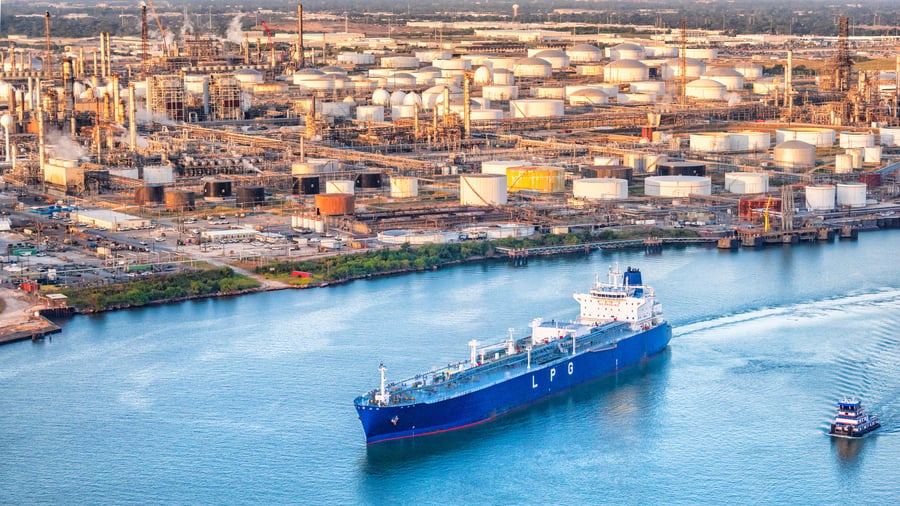
The United States has become a powerful tool of coercion in European gas supply through its liquefied natural gas (LNG) deliveries, warns energy experts. Andreas Goldthau, a professor at the University of Erfurt and director of the Willy Brandt School of Public Policy, states that the US has a potent leverage in Europe by providing LNG to the continent.
Jacopo Pepe, an energy expert at the Stiftung Wissenschaft und Politik (SWP), highlights significant risks in this scenario, such as causing a price shock if US LNG deliveries are restricted. Restricting or increasing the price of US LNG deliveries in the event of a political conflict could lead to enormous extra costs, Pepe adds.
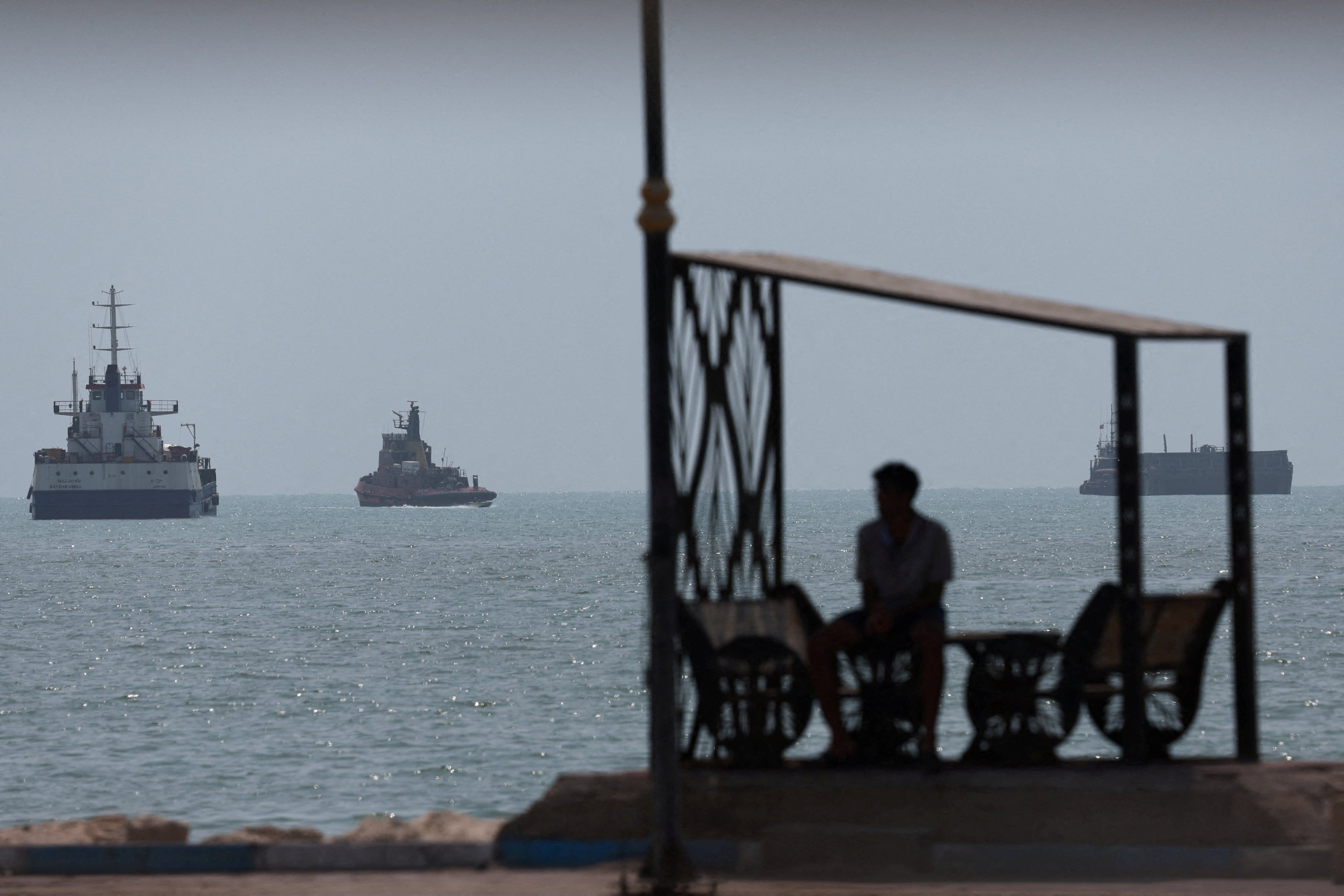
The new gas supply model's resilience will be tested in the upcoming winter. Since the Russian attack on Ukraine in February 2022, Germany's gas supply has changed fundamentally, with the reliance on LNG deliveries from the US increasing significantly. The global gas market is tense due to disputes over the Hormuz Strait, with one-fifth of global LNG trade passing through this narrow passage.
Primarily, LNG tankers from Qatar and the United Arab Emirates are required to pass through this passage. The situation in Germany is further complicated by the low gas reservoir levels, which are notably below average. Experts fear that, at the end of the winter, a significant additional demand for LNG deliveries could arise due to depleted reserves.
Germany relies heavily on LNG from the US, accounting for 90 percent of its LNG imports. The problem lies in the fact that the Americans have repeatedly demonstrated since President Donald Trump's administration that they view energy exports as a political tool. Loyle Campbell of the Deutsche Gesellschaft für Auswärtige Politik (DGAP) states that it is "absolutely certain that the US will use energy exports as a lever to enforce political objectives."
The increased significance of the US in Europe's gas supply, particularly in Germany, is striking. Last year, 57% of Europe's liquefied natural gas imports came from the US, which is a quarter of the total gas consumption. Germany even relied on 90% of its liquefied natural gas from the US. The Ecologic Institute, the Dutch Clingendael Institute, and the Norwegian Institute of International Affairs (NUPI) had already published a study in early 2023, critically examining the growing dominance of the US in LNG supply to Europe.
The study warns that the EU risks replacing its historical dependence on Russian gas and oil with a new energy dependency on the US. Despite the US Ministry of Economy dismissing these criticisms regularly, it points out that there are several countries offering LNG. Unlike pipeline gas deliveries, new sources of supply can be more easily accessed.
Algeria, Nigeria, and Qatar are mentioned as alternative large LNG exporters. However, without US LNG, it would not work. The US is the world's largest LNG producer, ahead of Qatar. In all scenarios, gas traders are currently dependent on American liquefied gas, which plays a very important role, according to Klaus Müller, president of the Federal Network Agency.
The dominance of the US must be acknowledged, as US LNG is a critical factor in the energy supply. While the possibility that the US could use gas as a weapon against Europe to coerce the latter is not out of thin air, Andreas Goldthau points out that US energy companies can easily find other buyers worldwide if they cannot supply Europe anymore.
In the past, concerns about Germany and Europe's dependence on US LNG deliveries being problematic have been often dismissed with the argument that LNG deliveries from the US are delivered by various international private companies, which ensures that the deliveries remain free from US political influence. However, the past has shown that there are concerns about Germany's and Europe's dependence on US LNG deliveries.
Written by urgent.news from Handelsblatt's reporting — not their text. Machine-written — may contain errors; check the original before relying on it.