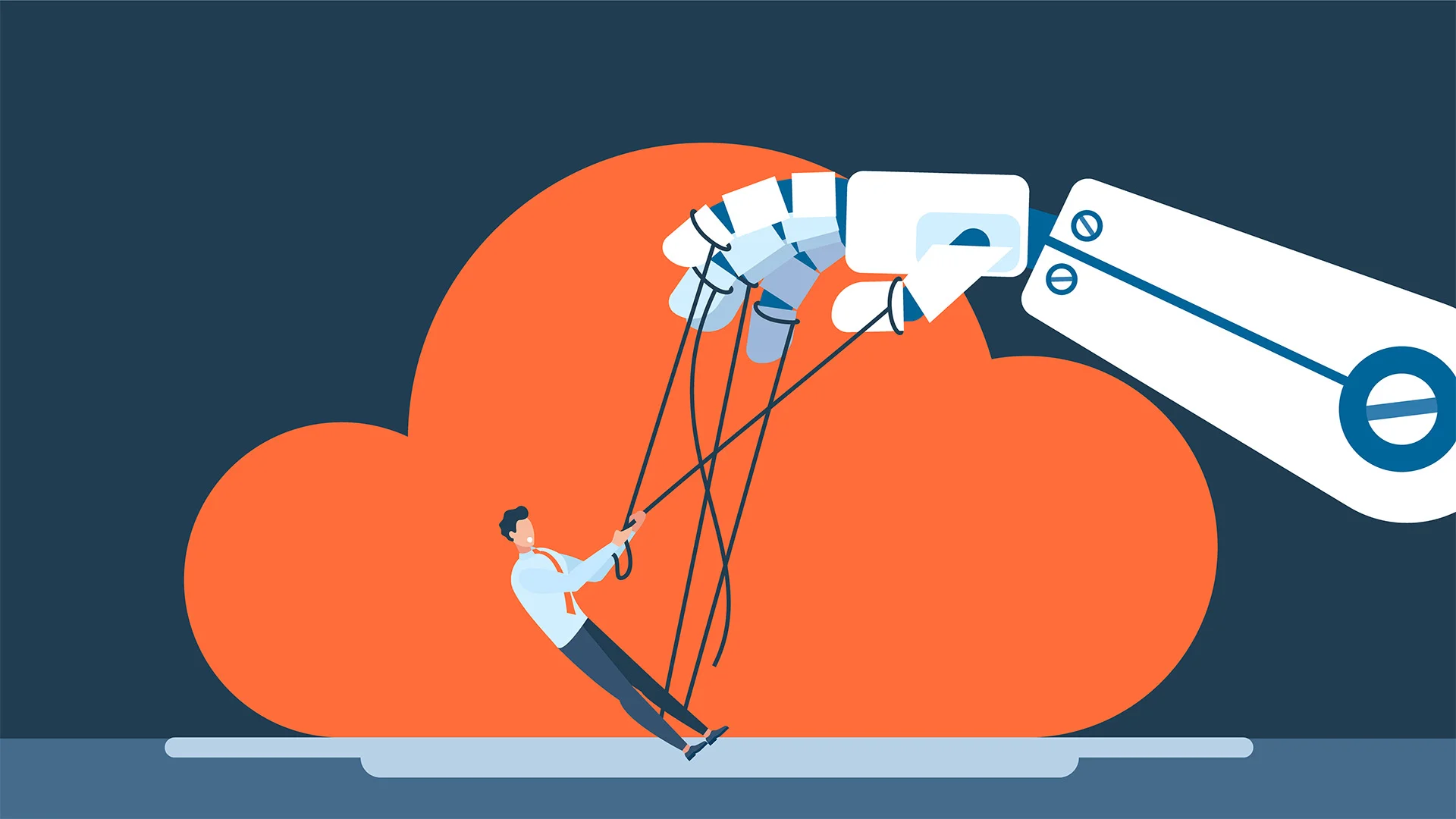
Computers once threatened to take over jobs. Is history repeating with AI?
In 1968, Australians were warned that computers could wipe out entire professions. Now, a similar conversation is unfolding about artificial intelligence.
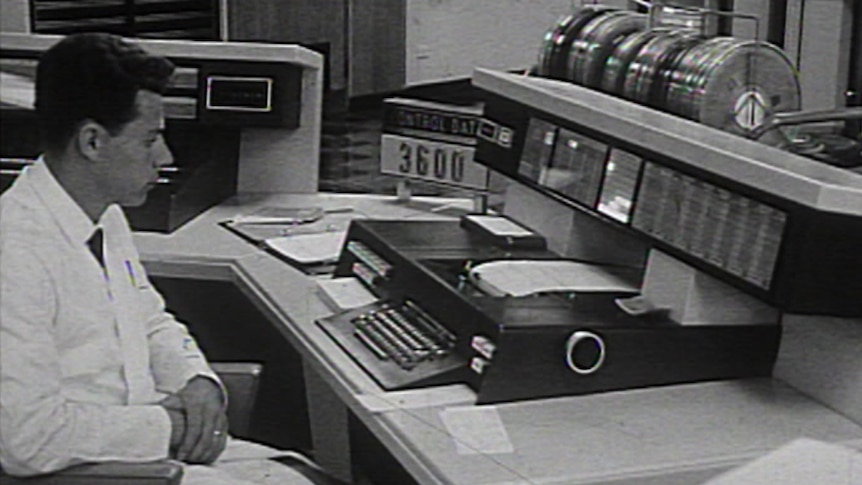
In March 1968, Australian journalist Jim Downes questioned the nation about computers learning specific jobs and what individuals would do after that. Downes described computers as "metal boxes of salmon-pink, beige or deep blue, trimmed in stainless steel or aluminium," which posed both promise and threat to society, much like the Industrial Revolution had done to human labor.
At the time, fewer than 600 computers existed in Australia, but they had already evolved from large university-built machines to smaller, cheaper, and more efficient models.
Some believed computers would eliminate entire professions, with computing lecturer Frank Linton-Simpkins predicting that clerical workers, who primarily read and wrote, would be affected within five years. Similarly, the Council of Salaried and Professional Associations' secretary John Sanders worried about the workforce being reduced to just 10% by 1980. However, leading computer scientist Trevor Pearcey believed that new opportunities would arise, necessitating retraining for those whose jobs were affected.
Fast-forward to the present, and a similar conversation is taking place regarding artificial intelligence (AI). Inquiries and new laws are being introduced, while unions keep a close eye on the technology as it infiltrates workplaces and homes. South Australian Premier Peter Malinauskas announced a royal commission into AI, recognizing its potential benefits and risks.
University of New South Wales AI Institute chief scientist Toby Walsh noted the striking resemblance between the debates from 1968 and today's discussions about AI, suggesting that public anxiety about employment impacts may be repeating itself.
Written by urgent.news from ABC News AU's reporting — not their text. Machine-written — may contain errors; check the original before relying on it.