China tightens property rules: What it means for buyers, developers
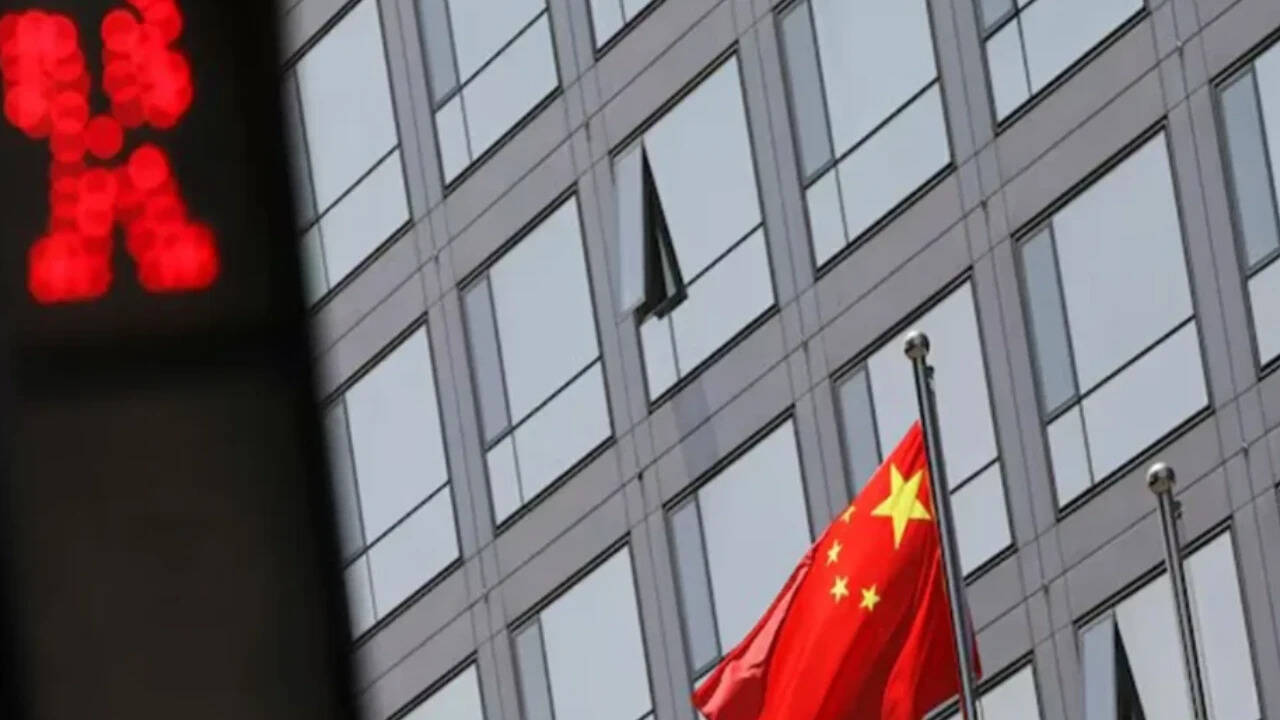
China has implemented stricter regulations on property sales to enhance buyer protections and reduce developer reliance on presales, as the nation seeks to stabilize its faltering real estate market. Local governments are encouraged to actively promote the sale of completed residential units rather than continuing the practice of selling properties before completion.
New lending guidelines from China's central bank and financial regulator stipulate that housing loans will only be issued after residential projects are finalized, limiting developers' access to mortgage funds obtained from presold homes to finance ongoing construction.
The measures also aim to provide greater safeguards for individuals who purchase homes before completion amid a history of delays and unfinished projects that have adversely affected Chinese households. The maximum term for personal housing loans has been extended to 40 years, potentially lowering monthly repayments and easing the financial strain on homebuyers.
This adjustment could help developers, as presales traditionally served as a crucial source of early cash flow; however, the new lending rules could force developers to fund construction through their own funding or development loans.
For homebuyers, the policy change seeks to mitigate the risk of investing in apartments that may be delayed or never completed. The emphasis on ready-to-move-in homes could provide buyers with increased assurance regarding their purchases. However, the longer mortgage terms might not be sufficient to revive housing demand, considering ongoing concerns over property prices, employment, and household confidence.
Chinese property shares experienced a decline on Monday following the announcement of the new rules, with the CSI300 Real Estate Index dropping 4.6% and a Hong Kong-listed Chinese developers' gauge falling 6.5%. These measures are part of China's ongoing efforts to revive a real estate market that has been in a prolonged slump since authorities began cracking down on excessive borrowing and speculation in 2020, resulting in developer defaults and unfinished projects.
Written by urgent.news from Times of India's reporting — not their text. Machine-written — may contain errors; check the original before relying on it.