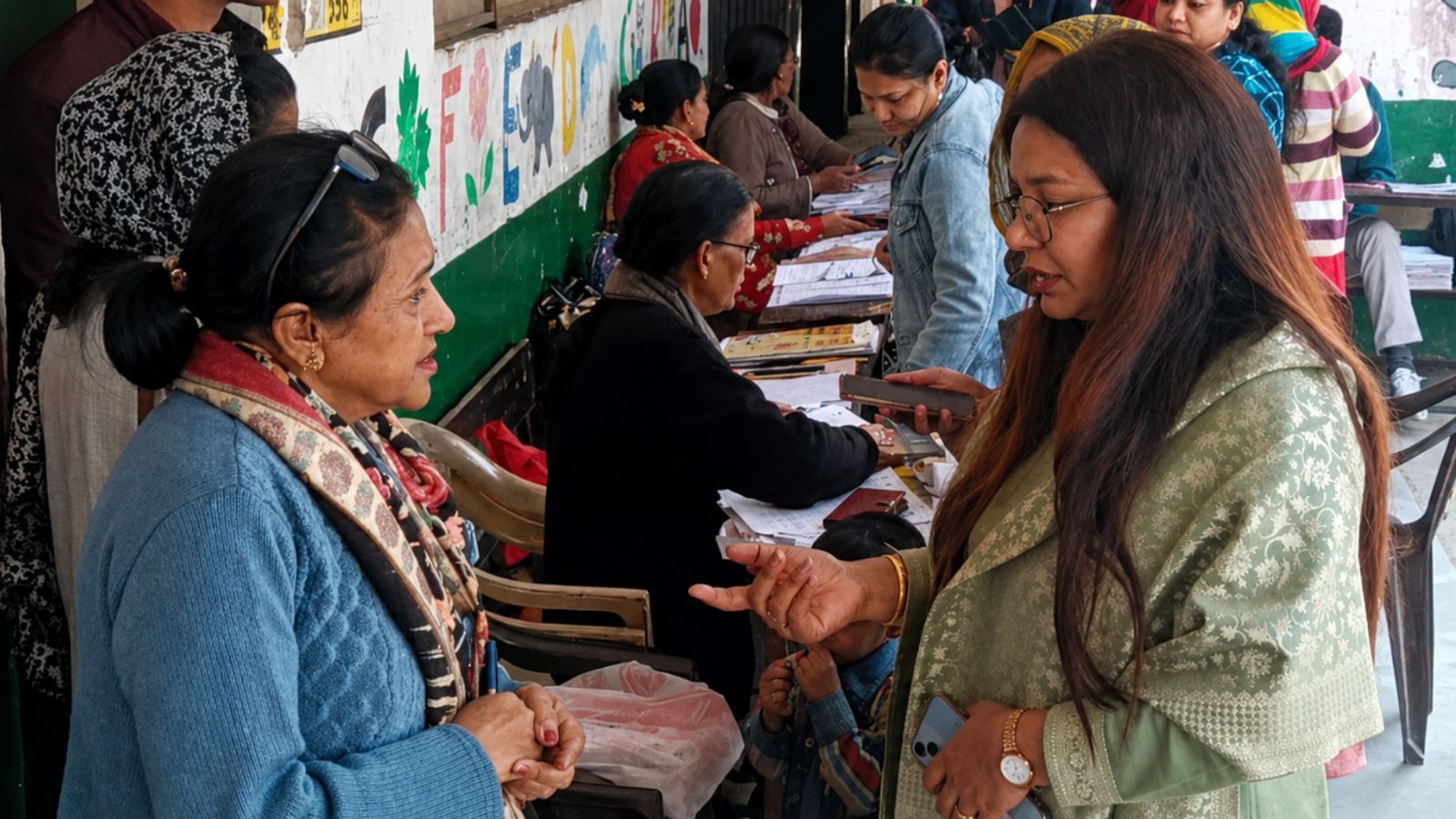
Census 2027: Statistics and Statecraft
The history of the Indian census questionnaire is, in many ways, the history of the Indian state itself. Its changing questions have mirrored not only the country’s developmental trajectory but also the political priorities and anxieties of the governments that framed them.”
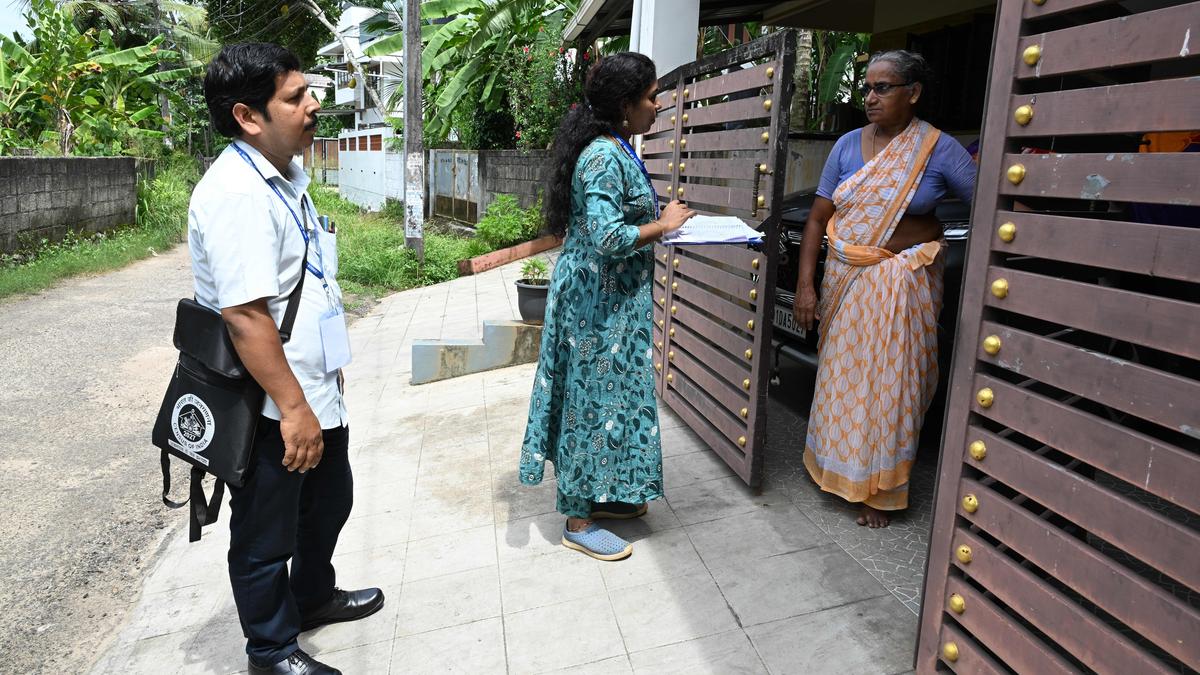
The census questionnaire serves as a comprehensive document that captures a nation's social, economic, and political evolution. It is not merely a neutral statistical exercise, but also a reflection of a state's priorities and concerns at a particular point in time. Every addition or removal of a question on the census form provides insights into societal values, the priorities of policymakers, and how governments view their citizens.
The development of census questionnaires worldwide highlights the intimate connection between statistics and statecraft.
For the upcoming Census, set to commence next month, 13 new or modified questions will be included compared to the 2011 Census. These alterations encompass information about both a person's father and mother, as well as their respective places of birth. These modifications were also outlined in the National Population Register schedule approved during 2020, igniting a political discussion. The opposition questioned the government's motives behind these changes, sparking debates about the underlying intentions.
The debate surrounding these new or modified questions in the census questionnaire has raised concerns about potential political motivations and the underlying purposes of such alterations. As the population enumeration phase of the Census begins, it is crucial to understand the implications of these questions and their potential impact on the nation's social fabric and statistical landscape.
Written by urgent.news from The Hindu's reporting — not their text. Machine-written — may contain errors; check the original before relying on it.