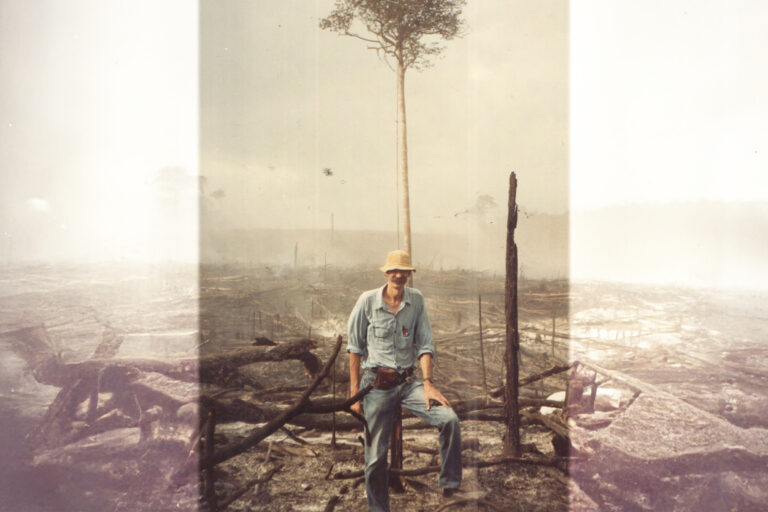
Burning Kalimantan forests put orangutans at risk
Fires not only directly affect Bornean orangutans by destroying their habitats, but also potentially put the primates at risk of respiratory health issues and disrupting their reproduction, which may push them further to ward extinction, according to conservationists.
The burning forests in Kalimantan are putting Bornean orangutans at risk, according to conservationists. The fires not only destroy their habitats but also pose potential health risks and disrupt their reproduction, which could contribute to their extinction. As of late July, at least 57,000 hectares of land had been burned in the region.
Many of the burned forests were the homes for the endangered Bornean orangutans, which are already fragmented and reduced by deforestation in the area. Around 57,350 Bornean orangutans live in forests that are divided by industrial concessions across Kalimantan, with 20 percent of their habitat located within protected forest. The fires put the primates at a higher risk of not having enough food to survive, causing them to enter villages and farms and leading to conflicts with humans.
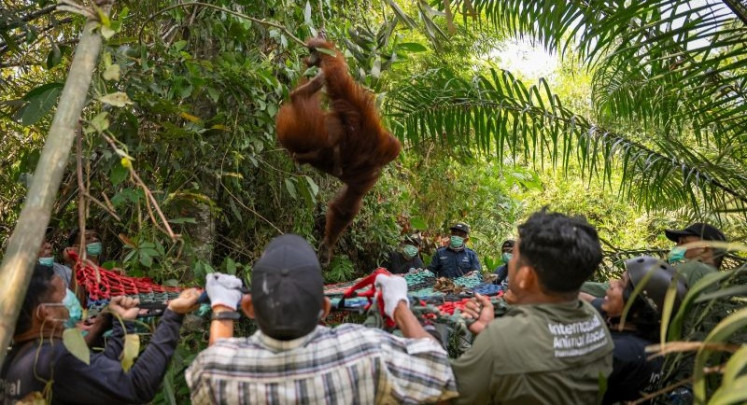
This was evident in a case in Ketapang, West Kalimantan, where International Animal Rescue (IAR) Indonesia and local authorities rescued three orangutans from a community plantation after fires swept through nearby forest. The rescue group has since saved another orangutan and continued monitoring several others near burned areas.
IAR Indonesia CEO Karmele Llano Sánchez warns that more orangutans may need to be rescued in the coming weeks or months, emphasizing the urgent need for caution and awareness.
Written by urgent.news from The Jakarta Post's reporting — not their text. Machine-written — may contain errors; check the original before relying on it.