BSIFF 2026 puts local language cinema at the centre of African film conversation
The Black Star International Film Festival is making local language cinema a key part of its 2026 conversation on building stronger African audiences.
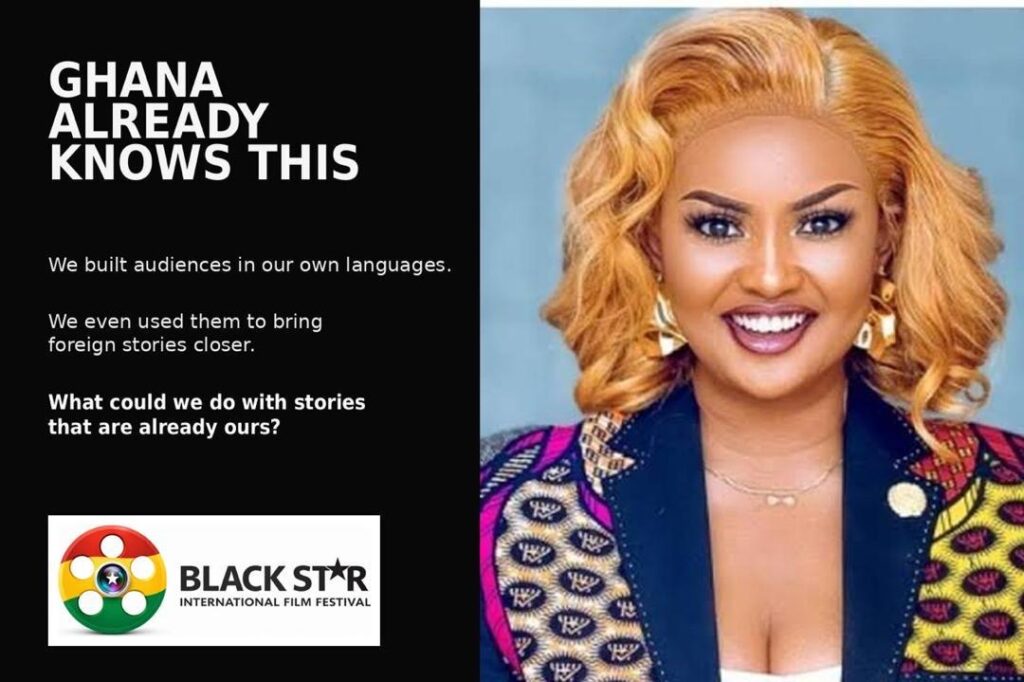
The Black Star International Film Festival (BSIFF) is placing local language cinema at the forefront of its 2026 conference, aiming to cultivate a robust African audience. BSIFF organizers believe that language could serve as a pivotal link to reconnecting with African audiences. The festival observes that an increasing number of filmmakers are emerging, production costs are decreasing due to technological advancements, and films are gaining global exposure through festivals and streaming platforms. However, the central question remains: Are Africans actively watching African films?
BSIFF recognizes that merely producing films is insufficient without cultivating a dedicated audience. Language, they argue, may hold the key to bridging the gap between African filmmakers and their audience. While no language is a guaranteed solution, the festival believes it is a worthy inquiry. Across the globe, instances of language's impact on audience engagement are evident.
South Korea's Korean films and series have achieved remarkable international reach, despite not first being in English. They remain true to their Korean language, culture, and names, captivating millions of non-Korean speakers who rely on subtitles or dubbed versions.
China's example provides further insight. The Mandarin-language historical series "Pursuit of Jade" amassed over 4 billion online plays, becoming a significant television phenomenon. Despite not being in English, the series was released internationally with subtitles in 14 languages and five dubbing options, reaching audiences in 191 countries and regions, including Netflix's Global Top 10 for non-English television.
BSIFF questions whether African cinema should adopt a similar approach. Should filmmakers produce stories in the languages that best suit the narrative, rather than choosing a language solely for global accessibility? This shift in perspective raises a new set of questions. Should filmmakers choose the language that aligns best with their story, and how can they ensure accessibility to audiences worldwide?
The argument is made that the language of a story does not necessarily need to match the language of its audience. In fact, African cinema could explore the possibility of using the language of the story to bring in foreign audiences. Just as Ghanaian broadcasting successfully introduced foreign soap operas and series to its audience by dubbing and subtitling, African filmmakers could potentially bring international stories closer to their own audiences by using local languages.
Language, therefore, could serve as both a cultural and business strategy. It not only preserves indigenous languages but also opens up new avenues for audience engagement. When people see films in their native language, they may feel a stronger connection to the film, making the story feel more relatable and understandable. This could potentially increase ticket sales, subscriptions, and advertising revenue, thereby creating a vibrant and thriving African cinema industry.
Written by urgent.news from MyJoyOnline Ghana's reporting — not their text. Machine-written — may contain errors; check the original before relying on it.