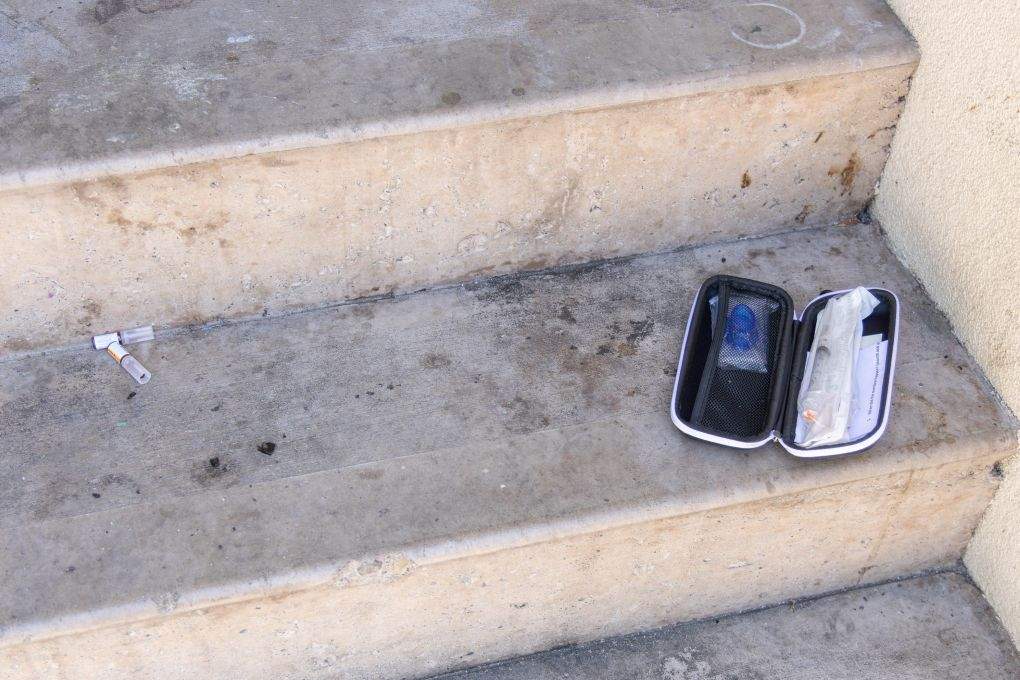
Booming weight-loss drug demand in Brazil fuels thriving black market and health fears
Between 2018 and mid-August 2026, Brazilian authorities recorded 83 deaths, which are under investigation, and over 3,600 complications linked to weight-loss drugs.
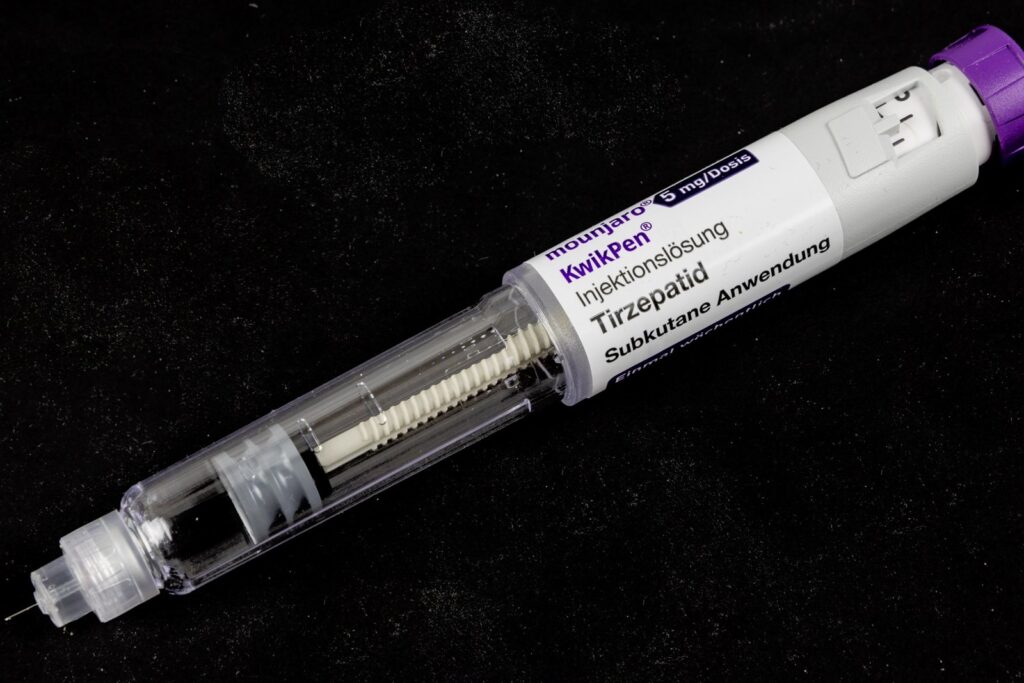
Tirzepatide, a drug used for treating type 2 diabetes and aiding weight loss, has become a sought-after commodity in Brazil, fueling a black market and posing health risks. The surge in demand for weight-loss drugs like Mounjaro and Wegovy has created opportunities for smugglers to profit from the illicit trade. Customs agents have discovered hidden injections in creative places, such as shoe soles, vehicle compartments, and even jars of caramelized milk spread, as consumers seek cheaper alternatives to approved medicines.
The illicit trade has expanded alongside the popularity of GLP-1 class drugs. Smugglers have been smuggling these drugs from Paraguay, using unconventional methods to avoid detection by Brazilian authorities. In April, officials found hundreds of tirzepatide vials hidden inside jars of dulce de leche during a search of a tourist bus.
Other seizures involved medicines concealed in various unexpected locations. The Federal Revenue Service seized over 76,000 weight-loss products containing semaglutide and tirzepatide in the first half of 2026, nearly three times the total seized in all of 2025. The trade extends through social media and online channels, with some consumers purchasing products from Paraguay.
However, these unauthorized products may be counterfeit, improperly stored, or sold without medical supervision, leading to serious health complications. Brazilian authorities have reported 83 deaths and over 3,600 health issues linked to weight-loss products since 2018. In response, Brazilian regulators have tightened controls at border crossings and strengthened cooperation with Paraguay.
Anvisa, Brazil's National Health Surveillance Agency, has expanded the legal supply of weight-loss treatments and approved additional semaglutide medicines. Colombia has also faced challenges with counterfeit and informal sales of GLP-1 medicines, with INVIMA, Colombia's drug regulator, issuing alerts over falsified Ozempic containing semaglutide.
Colombian health authorities warn about the risks associated with self-medication and using these drugs without medical guidance.
Written by urgent.news from Colombia One's reporting — not their text. Machine-written — may contain errors; check the original before relying on it.
This story
This is one outlet's version. Read the fullest account.