Beyond the obvious: Gefährliche Zinswende
Staatsschulden steigen, Anleihenrenditen auch. Was sind die Folgen? Eine Untersuchung von 700 Jahren Zinsentwicklung spricht eine eindeutige Sprache.
In the last week of August, monetary authorities convened at the Jackson Hole banking forum and witnessed a shock to the interest rate landscape. Prior to Monday, the 30-year US yield had peaked at 5.31 percent on the eve of the 2007 financial crisis. German 30-year bonds are now at 3.76 percent, the highest since 2011. Japan's 30-year bonds crossed the 4 percent mark.
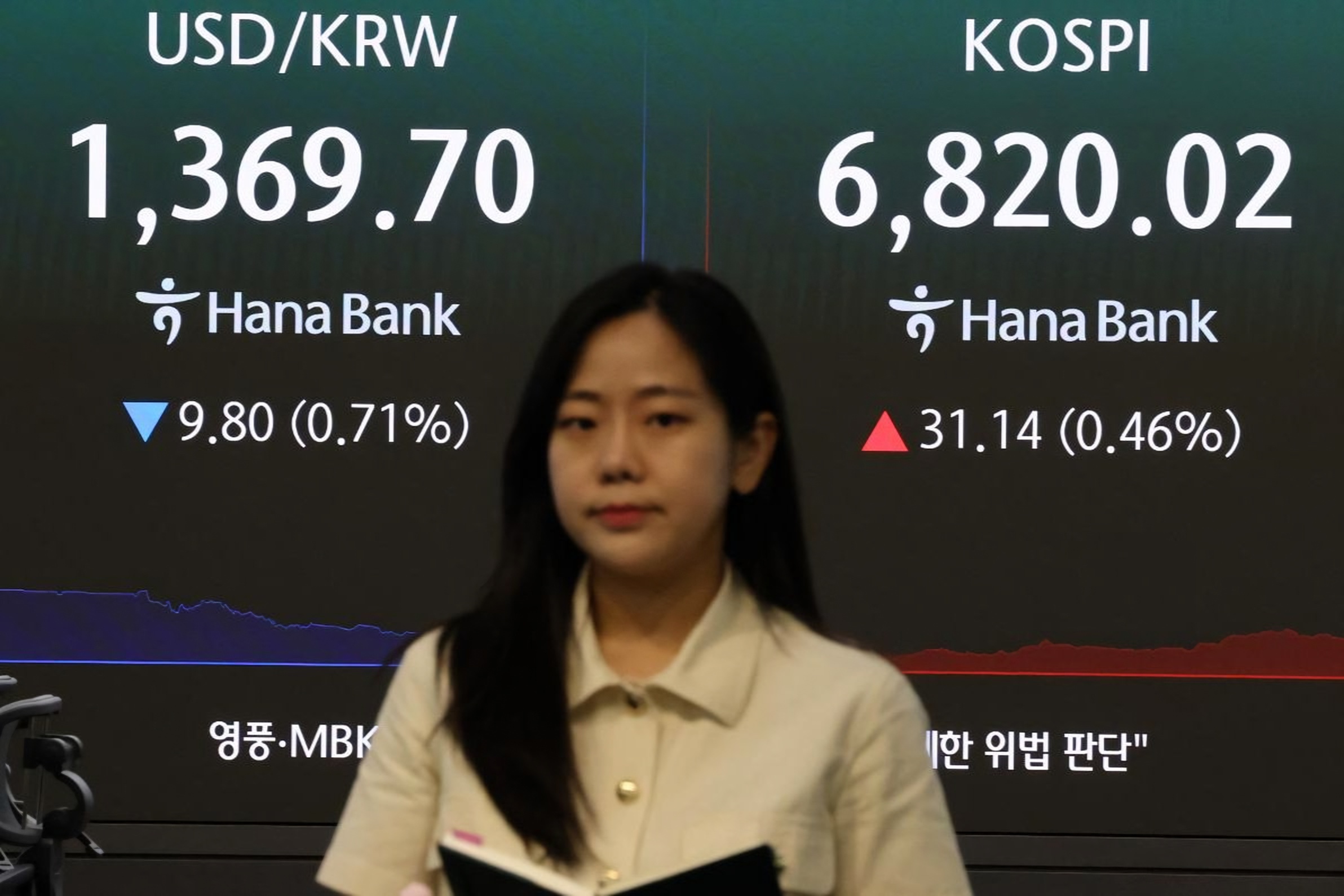
British gilts have hit levels last seen in 1998. For debtors, particularly governments, the interest rate reversal presents a significant challenge. The average debt-to-GDP ratio for the world's seven largest economies has risen from 74 percent in 2000 to 123 percent. A growing portion of national budgets is now dedicated to debt servicing.
Meanwhile, the policies of the United States, Japan, and France appear unwilling to curb government spending, driving deficits to record heights. The IMF projects that by 2040, debt could reach 150 percent of GDP. Not surprisingly, a study by the University of Southern California suggests that bond investors, voters, and individuals with finance or economics degrees estimate a roughly 50 percent chance of a U.S. sovereign debt crisis within the next decade.
Clearly, policymakers are attempting to downplay the issue, but what are the consequences? That is the focus of this episode. Our foundation is a conversation with economic historian Paul Schmelzing, whose eight-century study of real interest rates provides the historical pattern we are witnessing today. "Beyond the obvious – featured by Handelsblatt" listeners can test Handelsblatt Premium for four weeks for just one euro at handelsblatt.com/mehrperspektiven.
Written by urgent.news from Handelsblatt's reporting — not their text. Machine-written — may contain errors; check the original before relying on it.