Bank of America Says APAC Redefines Cross-Border Money Movement
Watch more: Need to Know With Bank of America’s Narendra Kumar Parhi Cross-border payments in Asia-Pacific are being pulled toward the speed of the region’s domestic commerce, leaving companies in the United States to contend with payment systems that can move money around the clock while regulations, treasury practices and operating conventions remain divided by […] The post Bank of America Says…

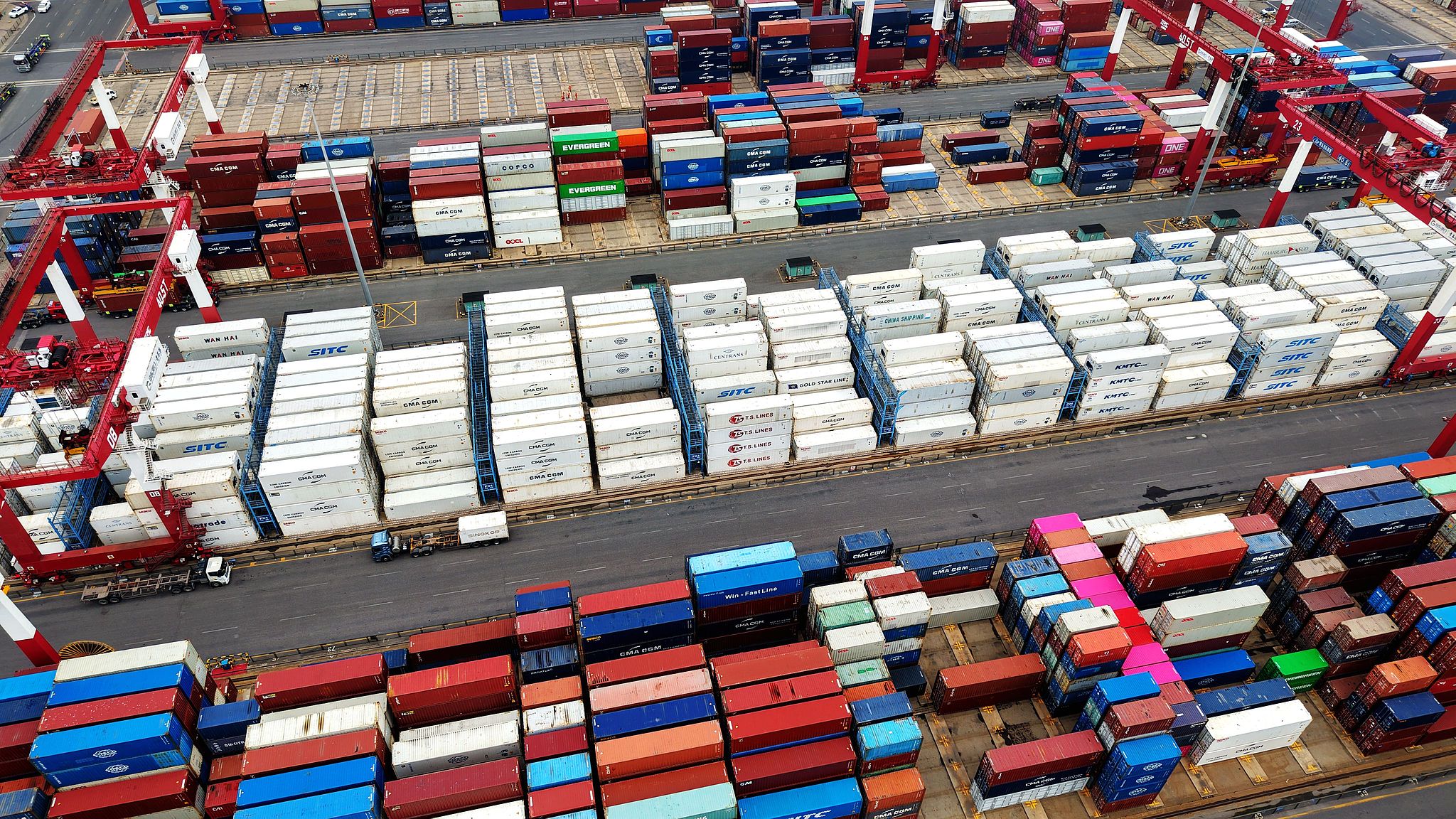
Bank of America's Narendra Kumar Parhi highlights how cross-border payments in Asia-Pacific (APAC) are becoming increasingly faster, necessitating a shift in how U.S. companies manage their payment systems. The region's commercial activity, driven by trade among countries like China, Vietnam, Malaysia, India, and the Philippines, is being serviced by well-established local payment infrastructure.
Parhi emphasizes that real-time payments have become a basic requirement in APAC, contrasting this with the U.S. where these services are often viewed as a premium offering. The challenge for U.S. companies lies in adapting to local expectations surrounding the timing of money movements, confirmation of receipt, and the data accompanying each transaction.
APAC does not provide a single real-time payment network, but rather a collection of advanced but distinct payment markets. To navigate this complexity, U.S. companies must consider the infrastructure, capabilities, connectivity, and local regulatory frameworks of each market. Project Nexus, the China-Hong Kong connection, and the India-Singapore connection are examples of efforts aimed at bridging domestic and regional systems, though the execution is far from straightforward.
For corporate treasuries, the transition to real-time, cross-border payments means abandoning traditional cutoff-based operations, which rely on defined banking periods for reconciliation and funding decisions. The always-on payment environment raises questions about liquidity, funding, and how to treat balances across time zones.
Despite these challenges, real-time payments can offer U.S. companies greater certainty around settlement and improved visibility into supply chain transactions. Technology solutions, such as standardized payment data through ISO 20022 and AI-driven documentation and exception processes, may help alleviate some of the operational burdens.
Ultimately, APAC serves as a working example of how real-time payments are transforming commerce, requiring U.S. companies to balance speed with compliance, liquidity management, and the practical demands of cross-border transactions.
Written by urgent.news from PYMNTS's reporting — not their text. Machine-written — may contain errors; check the original before relying on it.