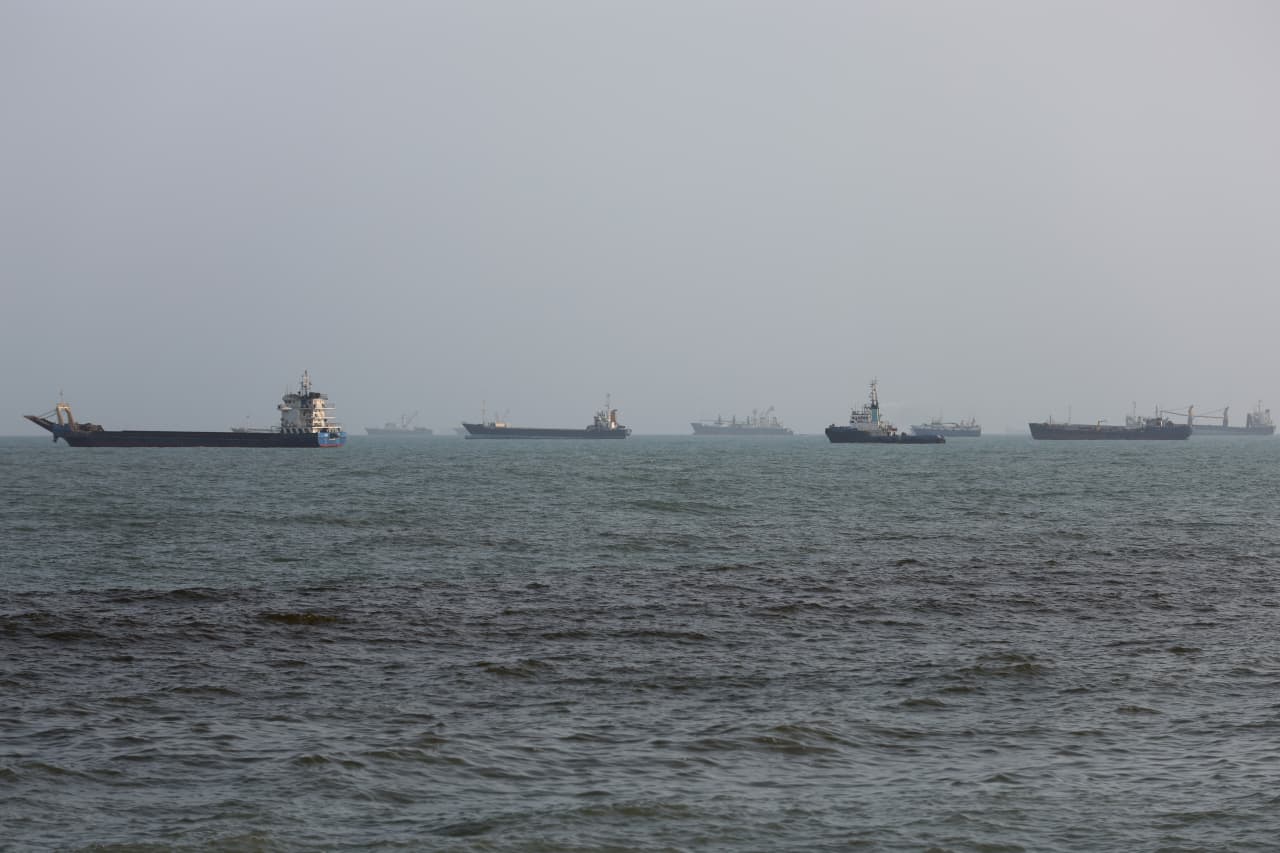
Asia refiners scoop up Argentine oil as Iran war hits supply
Processors in Japan, South Korea and China bought Argentina’s Medanito oil in recent weeks. Leer más
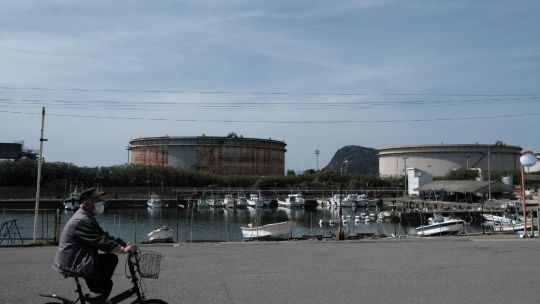
Asian refiners have ramped up purchases of Argentine crude oil amid the ongoing conflict in Iran, which is disrupting Middle Eastern supply and increasing competition for barrels across regions. Japanese, South Korean, and Chinese processors acquired Argentina’s Medanito oil over recent weeks, with a cargo reportedly loaded earlier this month, according to traders familiar with the deal.
The crude grade is akin to US West Texas Intermediate, experiencing heightened demand since the war commenced. The volume of Argentine oil heading to Asia is minimal compared to other producing nations, but the interest highlights refiners' efforts to diversify their supply and enhance energy security. Argentine exports have averaged 215,000 barrels per day this year, largely bound for the US and Chile.
Notable recent buyers include Japan’s Eneos Holdings Inc and Taiyo Oil Co, along with South Korea’s Hyundai Oilbank Co and Chinese giants PetroChina Co and Shaanxi Yanchang Petroleum. Shipments are scheduled to reach ports from August to October. Hyundai confirmed an import in August and will explore further purchases following a cost-benefit analysis.
Taiyo did not respond to inquiries, while Eneos, PetroChina, and Yanchang have not yet commented. Medanito is currently priced at a $1 discount per barrel compared to ICE Brent, the narrowest discount since mid-June. Argus Media reported this disparity, the smallest since mid-June. Argentina has intensified Medanito production from the Vaca Muerta shale formation under President Javier Milei’s administration, driven by a resurgence in the country’s energy sector.
The appeal of Medanito lies in its affordability relative to WTI and its ability to circumvent critical shipping chokepoints to reach Asian markets. Traders noted that it trades at a discount of $1 to $2 per barrel relative to US oil. The route to Asia involves sailing around the southern tip of South America, avoiding the Panama Canal or Suez Canal transit constraints.
However, port limitations pose challenges, as Argentina’s facilities are equipped to handle Aframax vessels, not very large crude carriers. The upcoming Vaca Muerta Oil Sur project, slated to commence next year, aims to address these constraints by incorporating a crude pipeline and a terminal capable of accommodating larger tankers.
Written by urgent.news from Buenos Aires Times's reporting — not their text. Machine-written — may contain errors; check the original before relying on it.