As tensions rise in West Asia, the Mecca Accord becomes increasingly important — Phar Kim Beng
AUGUST 31 — The first meeting under the Mecca Accord between Turkey, Saudi Arabia and Pakistan should not be treat...
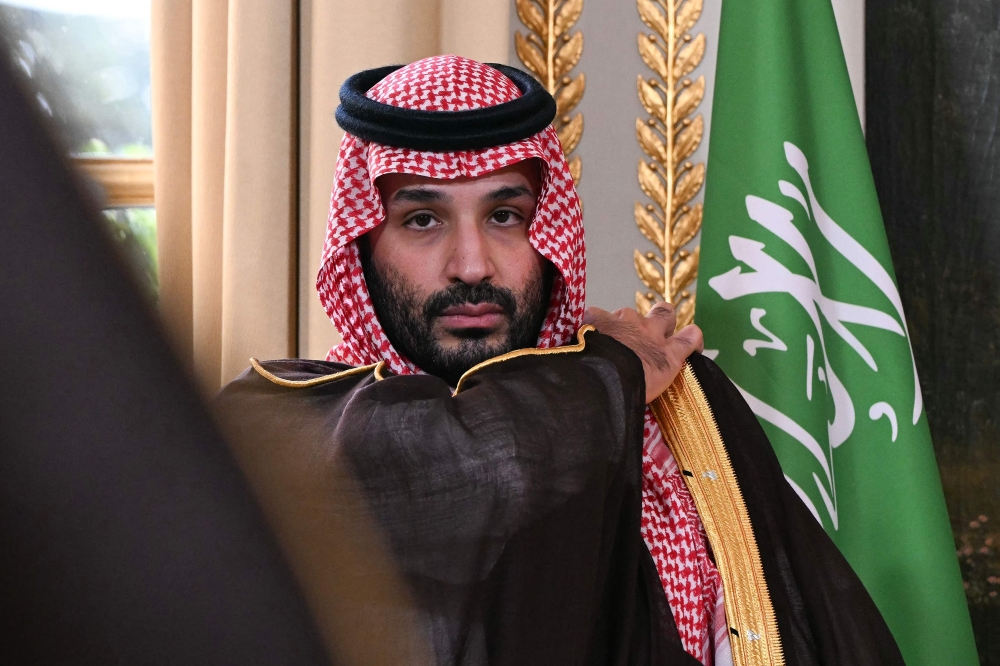
On August 31, the inaugural meeting under the Mecca Accord involving Turkey, Saudi Arabia and Pakistan took place in Istanbul. The meeting was significant due to the attendance of not just foreign ministers, but also defense ministers and military chiefs from the three nations. This composition indicates a shift from diplomatic symbolism to strategic coordination under the Mecca Accord.
The Accord's core principle, that an attack against one signatory is considered an attack against all three, has drawn comparisons to NATO's collective-defence principle. However, labeling the Mecca Accord as an "Islamic NATO" is premature and misleading. The Accord represents the growing desire of major Muslim powers to achieve greater strategic autonomy at a time when traditional security architecture in West Asia is under severe strain.
While all three countries remain closely tied to the United States, they have recognized that external guarantees are not always reliable due to fluctuations in geopolitical priorities. The unique combination of Turkey's NATO membership, Saudi Arabia's financial clout and regional diplomatic influence, and Pakistan's nuclear arsenal presents a formidable force.
However, the real test of the Accord will be the ability of the participating nations to develop mechanisms for consultation, intelligence sharing, military interoperability, defence production and crisis management. The progression from this meeting in Istanbul to a fully operational security arrangement represents the movement from declaration to deterrence.
This development is taking place against a backdrop of regional instability, with tensions arising from conflicts in Iran, Israel, Syria, and ongoing maritime security issues. The Mecca Accord should not be seen primarily as a tool for fighting wars, but rather as a means to prevent them. Its greatest value could be in deterring potential aggressors by demonstrating that an attack on one country could involve several.
Malaysia should observe these developments closely, as Turkey, Saudi Arabia and Pakistan are significant partners for the country. Despite Malaysia's strategic focus, ignoring the Accord would be a mistake. The growing strategic coordination among these nations could influence defense industries, investment, energy security, humanitarian diplomacy and broader Muslim world politics.
Malaysia's unique diplomatic strengths place it in a favorable position to engage with all three countries without abandoning its Asean centrality.
Written by urgent.news from Malay Mail's reporting — not their text. Machine-written — may contain errors; check the original before relying on it.