Archaeologists in Denmark Discover Rare Fragments of 1,300-Year-Old Clothing Preserved Inside a Viking Age Grave
Researchers found the textile traces on a pair of metal brooches. When the accessories corroded, they released metallic salts that inadvertently preserved the fabric for centuries
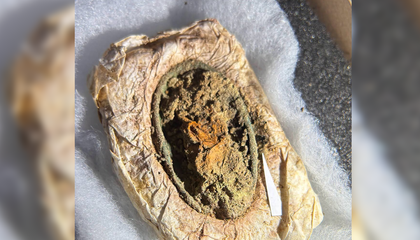
German archaeologists have unearthed an extraordinary discovery near Varde in southwestern Jutland: fragments of clothing from the Viking Age, preserved for around 1,300 years. The burial grounds were unearthed at the Skonager archaeological site in 2024, and within a grave, researchers found remnants of textiles clinging to two oval brooches commonly associated with women's attire in the Viking era.
Upon examining the corroded metal of the brooches, scientists noticed that it released salts, inadvertently preserving the fabric.
The brooches' positioning on the garments could provide crucial insights into the layers of clothing and their arrangement. This remarkable find is a testament to the limited knowledge we have about Viking clothing, with the majority of physical evidence consisting of small, chance-preserved fragments. To delve deeper into the Skonager fabric remnants, experts have enlisted the help of textile specialist Lise Ræder Knudsen, who will assess the weaving techniques and patterns used to create the material. Radiocarbon dating will also be employed to determine the approximate age of the textiles.
Notably, one brooch exhibited signs of repair, hinting that it might be an ancient family heirloom. Danish researchers Ulla Mannering and Charlotte Rimstad, who lead the Textile Colors of the Viking Age project, will analyze the samples to identify any remaining traces of pigment. Although archaeological evidence for Viking Age textile dyes and colors is scarce, surviving finds reveal that both dyed textiles and naturally pigmented wool were integral to Scandinavian textile culture.
Written by urgent.news from Smithsonian's reporting — not their text. Machine-written — may contain errors; check the original before relying on it.