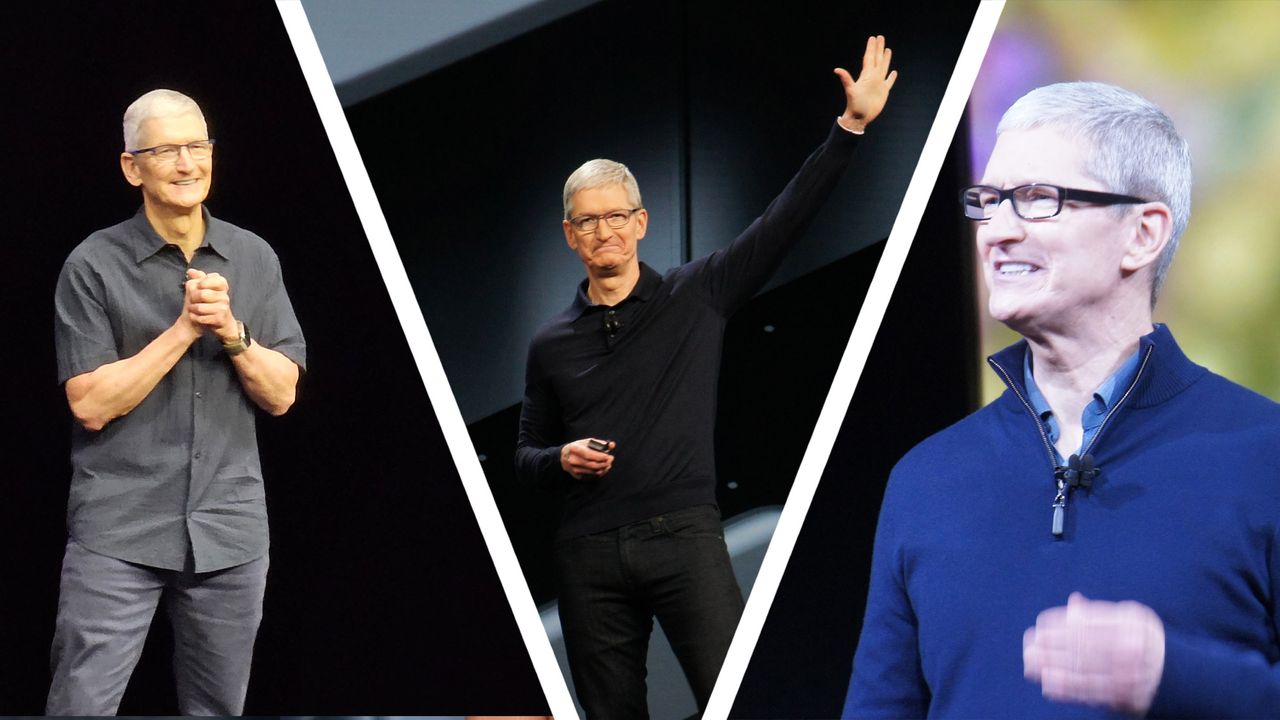
Apple’s New CEO Inherits an AI Strategy Built on Outsiders
John Ternus becomes CEO of Apple on Tuesday (Sept. 1), taking over a company whose defining strength has always been tight control of its own technology stack, hardware, software and the chips connecting them, but whose current artificial intelligence strategy runs largely on outside partners. Tim Cook will become executive chairman the same day, continuing […] The post Apple’s New CEO Inherits…
John Ternus assumes the role of Apple's new CEO on September 1, 2023, assuming control of a company that has traditionally excelled through meticulous management of its own technology stack, hardware, software, and connecting chips, but whose AI strategy largely relies on outside partners. Tim Cook will assume the role of executive chairman on the same day, continuing to manage Apple's global relationships and policies while Ternus, an experienced Apple employee for 24 years and most recently in charge of hardware engineering, assumes the CEO position. This marks Apple's first CEO transition since Cook took over from Steve Jobs in 2011.
Ternus inherits a specific, high-stakes assignment from Cook. In January, Apple agreed to pay Google around $1 billion annually to license a modified version of Gemini, Google's AI model, for a redesigned Siri capable of cross-app actions and multi-turn conversations, as reported by CNN. Despite this arrangement, Apple maintains its existing ChatGPT integration, which allows Siri to transfer complex queries to OpenAI's model.
However, Google's Gemini now serves as the core of Siri's capabilities. Both partnerships indicate that Apple's most significant AI features operate on models developed by external entities, not Apple itself.
The new CEO's initial public test occurs just days into his position. Apple plans to hold its annual event, dubbed "Surprise and Shine," on September 9, 2023. This event, a staple since Steve Jobs' era, is expected to showcase Apple's first foldable iPhone alongside the revamped Siri powered by Gemini. Gene Munster, managing partner at Deepwater Asset Management, stated before the announcement that the new Siri must be exceptional, setting a high bar for Ternus' first major decision as CEO, rather than a separate product launch distinct from his tenure.
The challenge lies not just in matching OpenAI or Google's raw model capabilities but in demonstrating that Apple can create products people find trustworthy and prefer around an external AI model, similar to its two-decade-long strategy of building devices around components it does not always manufacture. The success of a Siri built primarily on licensed technology hinges on its continued distinctiveness as an Apple product during interactions, not merely as a wrapper around Gemini with an Apple logo.
The more effective the new Siri, the higher the associated costs for Apple. Apple has historically maintained a "capex-light" AI strategy, relying on external partners like Google instead of investing heavily in data center infrastructure, like competitors such as Meta, Alphabet, and Microsoft. Cook addressed this balance on Apple's July 30 earnings call, his final as CEO, when discussing potential cost implications and possible increases in iCloud subscription plans tied to Siri usage.
Ternus' primary task, alongside his new role, is to determine how Apple finances Siri AI's compute costs as real usage begins, without compromising the profitability of its products.
Written by urgent.news from PYMNTS's reporting — not their text. Machine-written — may contain errors; check the original before relying on it.