Al-Kuwari meets World Bank president, IMF managing director
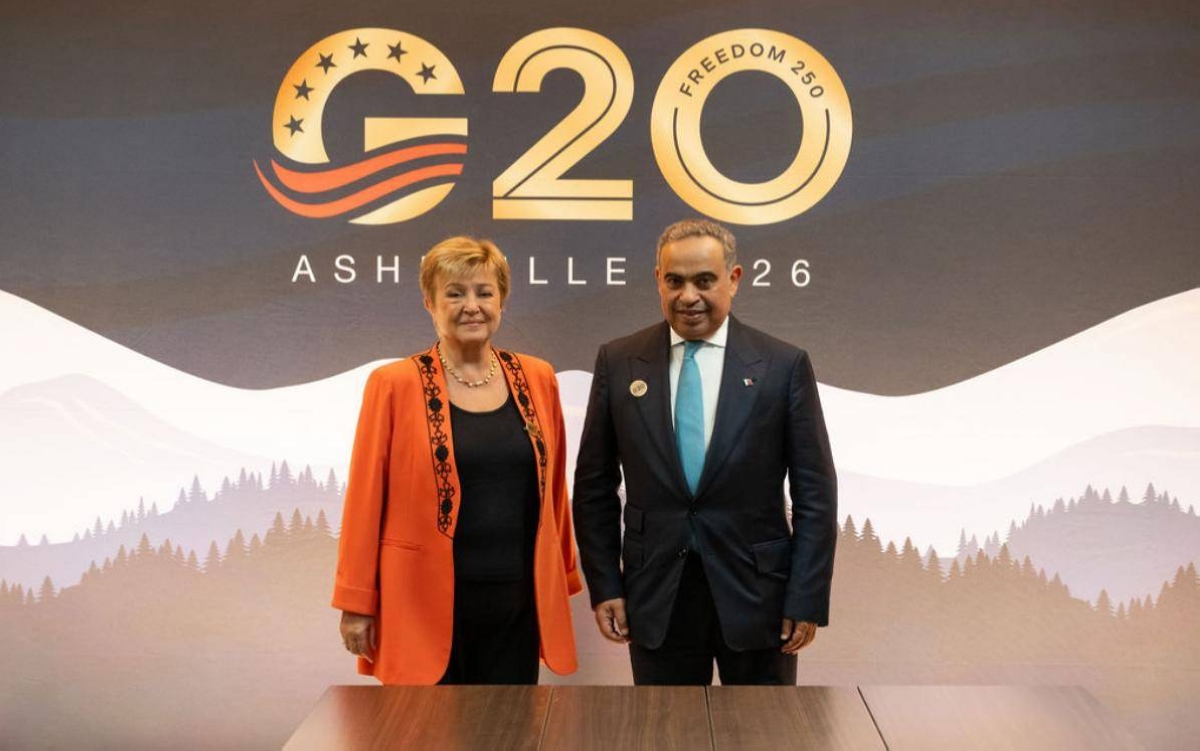
His Excellency the Minister of Finance Ali bin Ahmed al-Kuwari met separately with President of the World Bank Group Ajay Banga, and Managing Director of the International Monetary Fund (IMF) Kristali...
In a remarkable turnaround for Ghana's economy, the World Bank has highlighted a dramatic decline in inflation, moving from 23.2% in February 2025 to just 5.4% by December 2025. This significant reduction in inflation, described as one of the most rapid disinflation episodes in the nation's recorded economic history, has been primarily attributed to the tight monetary policy decisions made by the Bank of Ghana (BoG).
The World Bank's 10th Ghana Economic Update, published in August 2026, recognized the pivotal role played by the BoG's monetary policy in restoring price stability. As inflation fell by a substantial 17.8 percentage points between February and December 2025, Ghana successfully returned to single-digit inflation territory, a testament to the effectiveness of the central bank's actions under Governor Dr Johnson Pandit Asiama.
The positive economic impact of this disinflationary trend has been further amplified by the country's strong economic growth. Real GDP expanded by 6.0% in 2025, marking the fastest annual growth since 2019, while non-oil GDP grew by an impressive 7.6%. This confluence of falling inflation and robust economic expansion has set a significant precedent for Ghana's macroeconomic conditions.
In response to the declining inflation and improving inflation expectations, the BoG has embarked on a phased approach to monetary easing. The Monetary Policy Rate was gradually reduced from 28% in April 2025 to 14% by March 2026, a total decline of 1,400 basis points. This move signifies a shift from aggressive monetary tightening aimed at curbing inflation to a more accommodative policy stance as price pressures began to subside.
The effects of this evolving monetary policy environment have also been observed in the borrowing costs faced by businesses and households. Average bank lending rates have experienced a notable decline, falling from approximately 27.0% in June 2025 to around 15.6% by June 2026. Similarly, the Ghana Reference Rate has decreased from about 23.8% to approximately 10.0% over the same period.
These developments suggest that the gains from lower inflation and monetary easing are permeating beyond headline economic indicators and directly influencing the cost of credit for various stakeholders.
Written by urgent.news from Joy Business's reporting — not their text. Machine-written — may contain errors; check the original before relying on it.
This story
This is one outlet's version. Read the fullest account.