AI cannot optimize a company it cannot understand
For many weeks now, I have been trying to describe in my Fast Company essays what I think is the future of corporate AI . Now imagine that someone, somewhere, comes up with a solution that fulfills the requirements I have been drafting here. Would your company be able to jump on its platform and access all the advantages we have been describing? To start optimizing a company with artificial…
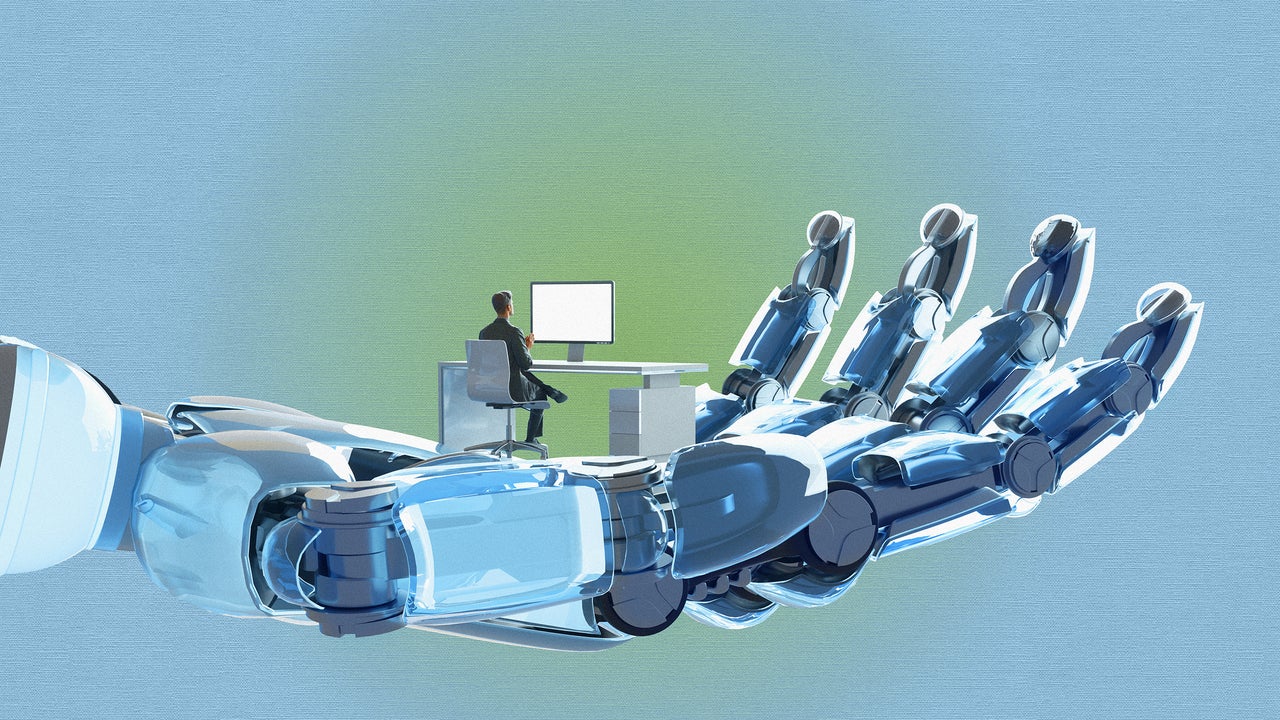
In a recent Fast Company essay, the author explores the future of corporate AI and explains why simply giving AI access to a company's tools and workflows is not enough for it to optimize effectively. The core issue is that AI systems lack a complete understanding of the company's structure, processes, and dynamics. While large language models may have broad knowledge about management, marketing, or logistics, they often lack crucial information about specific customers, bureaucratic procedures, exceptions, risk tolerance, and the consequences of process changes.
To bridge this gap, companies must move beyond providing context to their AI systems and instead create a model of the company's organizational dynamics. This involves defining an ontology—a set of nouns, verbs, and rules that represent the company's entities, relationships, and actions. Essentially, this would create a digital twin or operational layer of the organization, allowing AI to better understand how things are interconnected and how they should function together.
Once the ontology is established, the next step is to develop a world model—an internal representation that captures the dynamics behind the company's structure. Unlike an ontology, which merely identifies what exists within the company, a world model aims to learn how these elements interact and predict potential outcomes. This concept, rooted in robotics and physical AI, can be applied to corporate AI architectures to enable predictive capabilities and support planning.
The ultimate goal is to create an "understandable company" where AI can grasp the causal relationships between actions and outcomes. This would allow the AI to make informed decisions based on cause-and-effect relationships and align them with the company's real-world objectives. By feeding actions and outcomes back into the model, companies can continuously refine and improve their understanding of themselves, turning the representation of the company into a durable asset.
While creating such a model may be challenging and costly, especially in terms of manual ontology development, companies should strive to own and govern this representation. Even imperfect models can provide valuable insights and enable iterative improvements over time. Ultimately, the aim is not to build an omniscient AI but to create a valuable, evolving representation of the company that can drive better decision-making and optimization.
Written by urgent.news from Fast Company's reporting — not their text. Machine-written — may contain errors; check the original before relying on it.