After Jackson Hole: Why Gulf is now central to global rate debate
Jackson Hole is where the world’s central bankers gather every August to think out loud about the global economy. What they say moves markets and shapes rate expectations. This year, it also revealed how much of the global monetary policy debate has become a conversation about the Gulf. Kevin Warsh , who became US Federal Reserve chairman in May, used his first Jackson Hole speech to signal a…
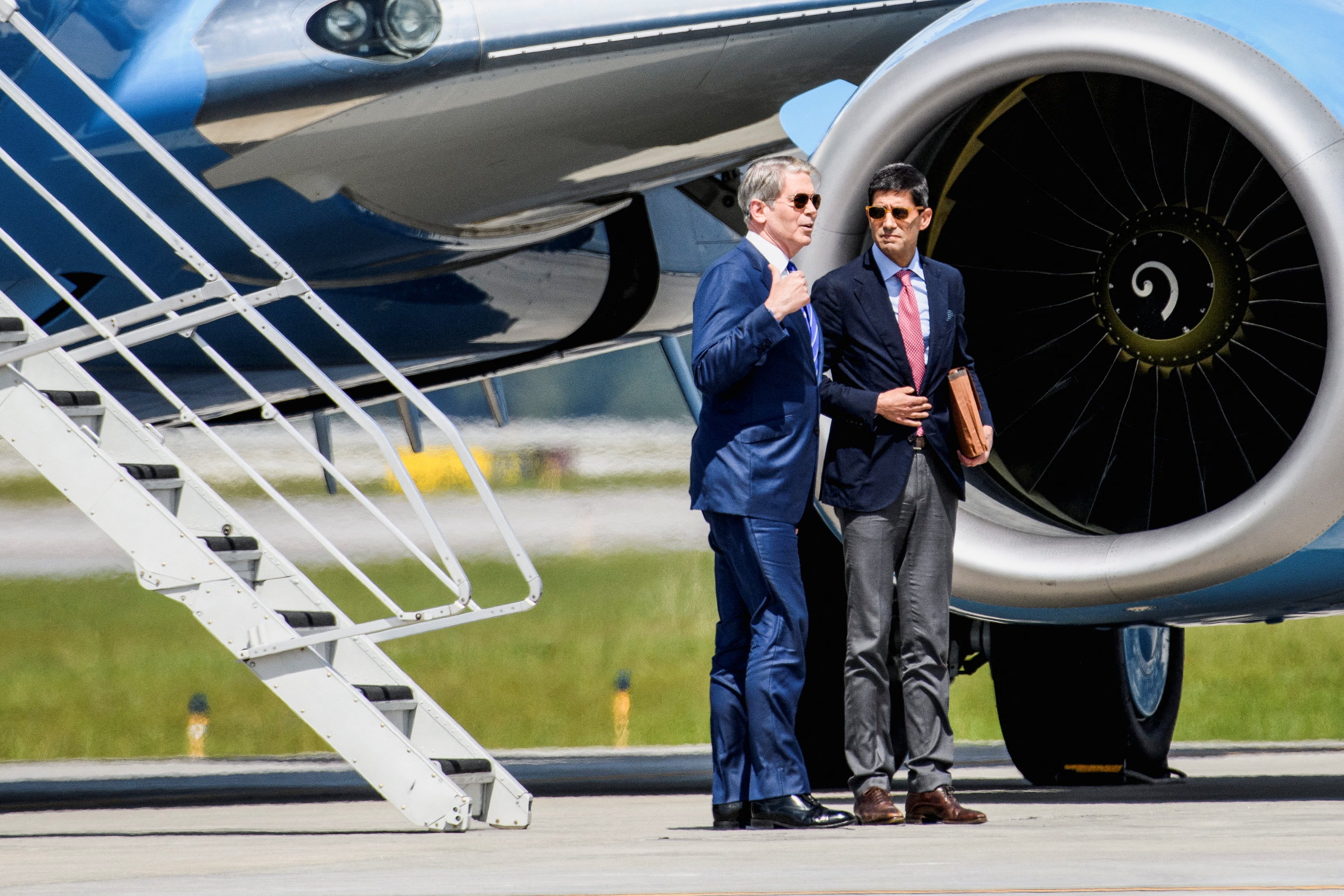
Jackson Hole serves as the annual forum where central bankers worldwide deliberate on the global economy, with their pronouncements influencing financial markets and rate expectations. This year, it became apparent that the Gulf region has taken center stage in the monetary policy discourse. During his inaugural Jackson Hole address, Kevin Warsh, recently appointed to the US Federal Reserve chairmanship, unveiled a shift in the Fed's approach.
While he did not explicitly mention the Gulf conflict's impact on energy markets, he implicitly acknowledged its role in shaping the price environment the central bank navigates. The recent spike in global oil prices, from $69 a barrel to $105, underscores the deep connection between the Gulf's output and inflation. The International Energy Agency's report highlights that 8.3 million barrels per day of Gulf oil production remains offline due to ongoing disruptions, including the Strait of Hormuz.
Fed Chairman Warsh acknowledged that the surge in commodity prices is a matter of concern, citing potential shifts in supply chains, investment flows, and geopolitics. The UAE's decision to leave Opec in May has granted it greater independence, yet it still faces challenges related to Hormuz disruptions. The current environment presents both a revenue windfall and investment requirements, as well as infrastructure and routing pressures that demand diplomatic management.
In the upcoming G20 meeting, key agenda items for Gulf economies include cross-border payment reform and addressing global imbalances. The UAE and Saudi Arabia have invested heavily in alternative payment infrastructure to mitigate their dependence on dollar-clearing systems. On the other hand, the global imbalance discussion focuses on Chinese industrial overcapacity, a matter with which Gulf producers must confront their own structural issues.
Digital assets also play a significant role, with the US Treasury Secretary Scott Bessent endorsing a vibrant digital assets ecosystem, aligning with the UAE's initiatives in this space. Warsh's declaration of a "Fed reset" signifies an end to the era of forward guidance, which had previously enabled Gulf capital allocators to position themselves ahead of rate cycles.
The uncertain Fed decision on September 15-16 will create a more complex environment for Gulf sovereign wealth funds and major Gulf Co-operation Council treasuries. In the face of elevated oil revenue and high US borrowing costs, along with a volatile long-end yield curve, Gulf capital allocators must adapt their strategies. The most likely near-term scenario involves a partial reopening of Hormuz, which could push Brent towards $70-$75 per barrel.
This situation would diminish Gulf oil revenue while maintaining high Fed rates, creating a dilemma for Gulf economies. The old frameworks, such as Fed forward guidance, are no longer sufficient to support the Gulf's capital allocation needs. Warsh emphasized that there will only be reasons or results moving forward, signaling the end of an era where high oil revenue and easy global money coexisted.
Written by urgent.news from The National UAE's reporting — not their text. Machine-written — may contain errors; check the original before relying on it.
This story
This is one outlet's version. Read the fullest account.
- After Jackson Hole: Why Gulf is now central to global rate debate thenationalnews.com