A State-Machine Model for Enterprise Revenue Teams
A state-machine governance model for keeping HubSpot lifecycle stages, workflows, handoffs, and revenue reporting aligned at enterprise scale.
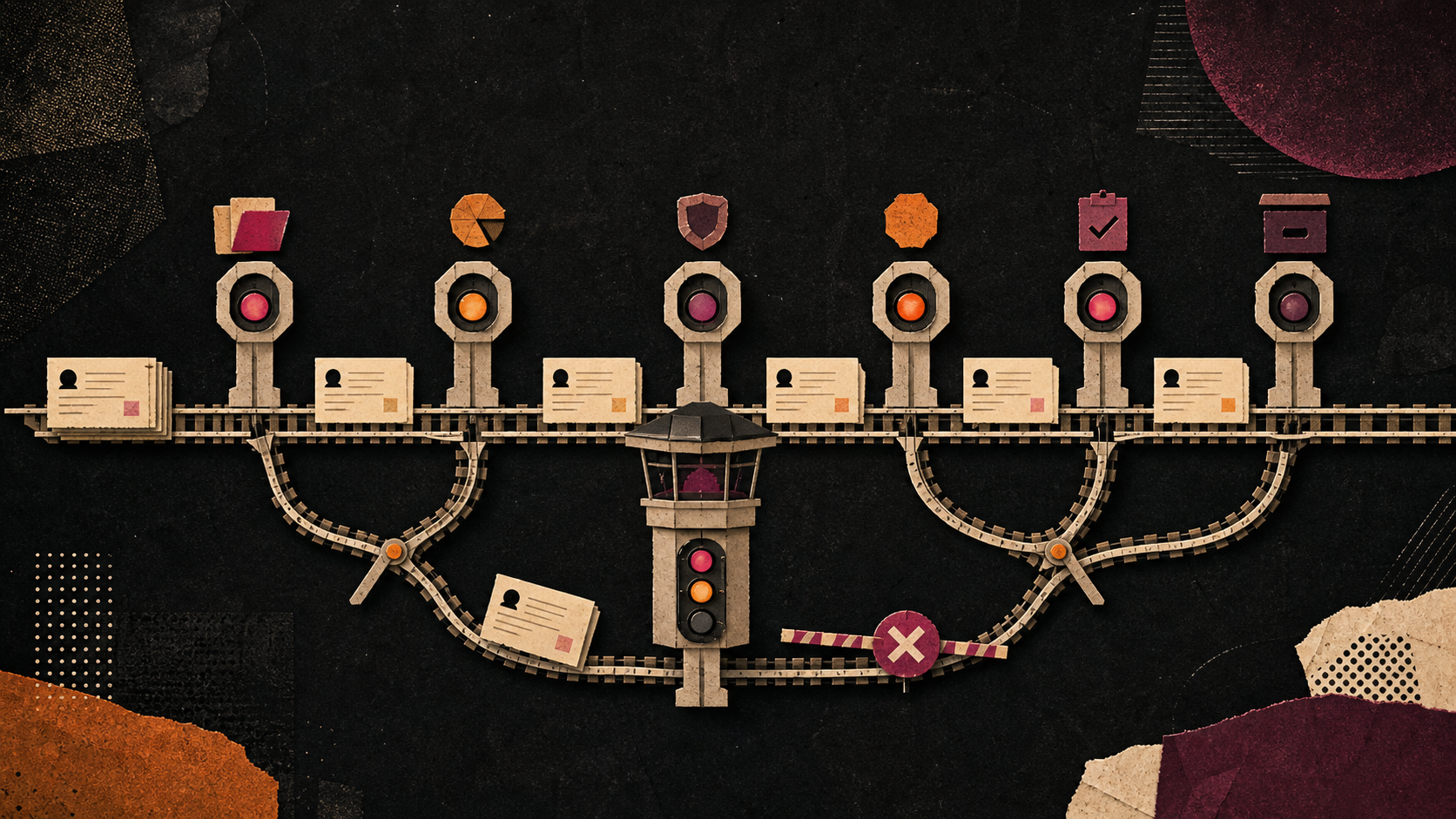
HubSpot defines lifecycle stages as a way to categorize contacts and companies based on their position in marketing and sales processes. The platform offers default stages, allows for custom stages, and enables updates through various methods like settings, workflows, imports, integrations, APIs, and manual actions. However, this flexibility can lead to confusion, as different teams may interpret stage labels differently.
For instance, a form submission could move a contact forward, an association with an opportunity could do the same, a workflow might set a custom stage, an integration could import a value, or a user could change it manually. Another workflow might clear it to allow another process to move it backward. This distributed decision-making system results in a single field that operates as the output of multiple decision-making processes.
To address this issue, the author suggests treating lifecycle stages as a state machine rather than a decorative funnel label. In a state machine, each stage represents a concrete business condition, not just an intention. For example, a "Marketing Qualified Lead" should describe a specific business condition, including the required profile, behavior, exclusions, geography, consent condition, and account relationship.
Each stage should have explicit controls that define what must be true before a record enters the stage, who or what may move the record, how the stage transitions occur, what happens after entry or exit, how regressions or corrections are handled, and how the organization can prove the transition occurred correctly.
By defining lifecycle stages as a state machine with these six controls, organizations can create a common language and set of rules for managing and reporting on the status of contacts and companies. This approach would help prevent ambiguity in reporting and make automation more reliable. The Lifecycle State Contract, as outlined in the article, provides a governance model for defining and controlling lifecycle movement, ensuring that each stage is clearly defined and consistently applied across the organization.
Written by urgent.news from HackerNoon's reporting — not their text. Machine-written — may contain errors; check the original before relying on it.