A Minister Under Watch: Zanetor’s Burden of Expectations
Dr. Zanetor Agyeman-Rawlings’ swearing-in as Minister for Environment, Science and Technology on 29 August 2026 was more than a constitutional formality; it was a moment loaded with symbolism, expectations, and political risk. As the eldest daughter of former President Jerry John Rawlings and former First Lady Nana Konadu Agyeman-Rawlings, her appointment carries a weight that […]
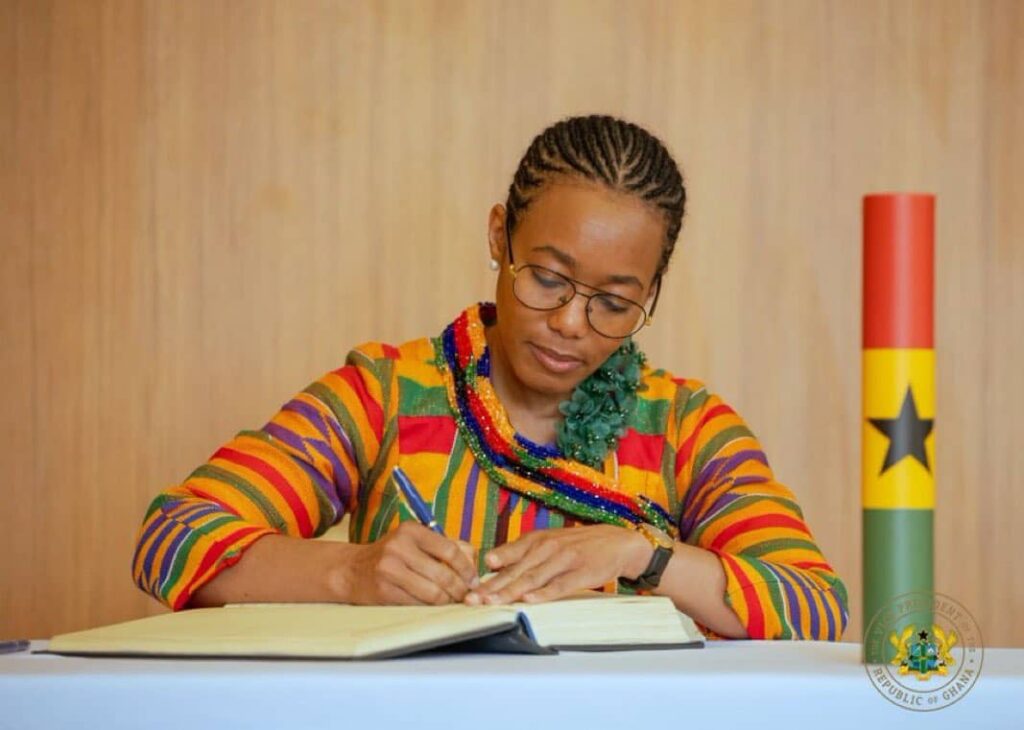
Dr. Zanetor Agyeman-Rawlings took the oath as Minister for Environment, Science and Technology on August 29, 2026. The appointment was steeped in symbolism, expectations, and political risks. As the eldest daughter of Ghana's former President Jerry John Rawlings and First Lady Nana Konadu Agyeman-Rawlings, her role carried immense weight.
She symbolized continuity, a disciplined humanitarian, and a potential bridge between generations. However, others viewed her appointment as a challenge to overcome the shadow of her lineage and deliver results in a politically sensitive ministry. The Rawlings family's legacy is complex, with Jerry John Rawlings remembered as both a democrat and a military ruler, while Nana Konadu Agyeman-Rawlings was admired for her activism on women's rights but also seen as politically ambitious.
Dr. Agyeman-Rawlings entered national leadership with a reputation for discipline, professionalism, and humanitarian service, but her family name also subjected her to relentless scrutiny. Citizens expected her to embody the best of her parents' qualities while avoiding the mistakes critics associated with them. The Ministry of Environment, Science and Technology faced monumental challenges, from enforcing environmental regulations and promoting renewable energy to tackling illegal small-scale mining, known locally as galamsey.
This illicit activity polluted rivers with mercury, destroyed forests, and left millions exposed to unsafe drinking water. The human toll was devastating, with mercury poisoning affecting children and pregnant women, and confrontations between miners and security forces resulting in deaths. Galamsey also entrenched corruption and political interference in Ghana's governance.
President John Dramani Mahama emphasized the urgency of addressing galamsey, describing it as a defining measure of her leadership and a Key Performance Indicator. Her ability to deliver results in this critical area would determine her credibility and the Rawlings legacy. Many Ghanaians, both from the governing and opposition parties, had criticized her initial denial of a ministerial role, arguing that her pedigree and experience made her a natural fit.
Her appointment, therefore, came with heightened scrutiny. Success would silence critics and elevate the Rawlings legacy, while failure would cast a shadow over her political future. Dr. Agyeman-Rawlings faced a stark dilemma: prove her leadership through vision and results, not because of her name, or risk being labeled uninspiring, corrupt, and a failed leader.
Written by urgent.news from Adom Online's reporting — not their text. Machine-written — may contain errors; check the original before relying on it.
This story
This is one outlet's version. Read the fullest account.
- A Minister under watch: Zanetor’s burden of expectations myjoyonline.com