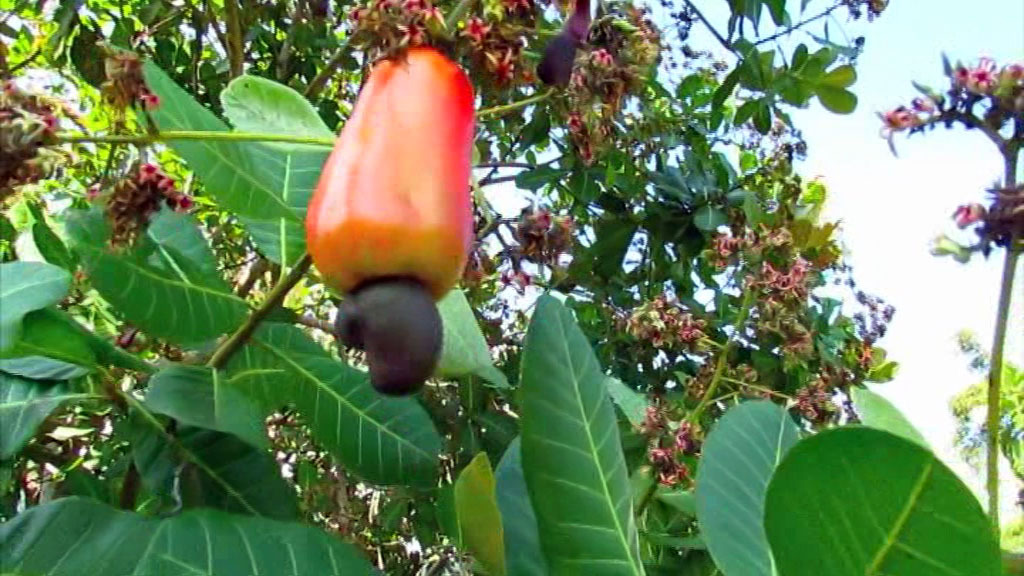
A China é a fábrica do mundo. Agora quer ser também a fazenda
Da mesma maneira que assumiu o domínio das cadeias de produção de produtos como veículos elétricos, aparelhos eletrônicos e painéis solares, a China agora tem planos de não apenas reconquistar a autossuficiência na produção de alimentos como também controlar segmentos do supply chain do setor. Para uma nação de 1,4 bilhão de habitantes e escassez […] The post A China é a fábrica do mundo. Agora…
China, known as the world's factory, now aims to become its primary farm. The country, home to 1.4 billion people and plagued by nutrient-poor land and scarce water, faces a daunting challenge. However, this ambitious plan is a top priority in the latest five-year plan, attracting significant investments in technology. As Pascal Lamy, former World Trade Organization director-general, noted in a recent article for Reuters, China's transformation "could reshape global markets and force current producers to rethink their growth models."
Brazil, the world's largest producer of swine, is witnessing the potential impact of this shift. Muyuan Foods, the world's largest pork processing plant, is experimenting with diets containing less vegetable protein, reducing soybean inclusion to 6% of the diet, compared to the average 13%. This could save 31 kilos of soy per animal.
According to projections from the British consultancy Systemiq, based on Chinese government estimates, soy imports could decrease by 25% by 2030, down from 23.5 million tons in 2025. About 70% of Brazil's soy exports go to Chinese ports, generating over $26 billion in trade last year alone. Historically, China was self-sufficient in food production, but has become highly dependent on imports, leading to a massive trade deficit in agri-food products worth over $120 billion last year.
For China, this is a strategic issue amid trade wars and the growing use of supply chains as a geopolitical weapon. The US and Europe are self-sufficient in food production, but China is not, making it vulnerable to imported shortages. With the ongoing wars in Ukraine and the Middle East disrupting food and fertilizer supply chains, China's plan to reduce its dependence on food imports has gained urgency.
The Chinese approach does not seek absolute self-sufficiency or abandon international trade but aims to decrease trade vulnerability. Bruno Capuzzi, Leandro Gilio, and Marcos Jank from Insper Agro highlight that to reduce soy import vulnerability, China is focusing on two fronts: increasing productivity in existing farmland and reducing soybean inclusion in animal diets.
The projection of productivity gains, assuming current land use, could increase domestic production from around 21 million to 28.6 million tons by 2034. China is also investing in improving less fertile areas, while aiming to cut soy use in animal diets by nearly 40% over the next five years, from around 100 million tons annually to just over 60 million tons.
Brazil will remain a major exporter, but will need to adapt to the evolving Chinese agri-food market, according to Insper researchers. The researchers warn that the Brazil-China agro-food relationship cannot remain limited to the purchase and sale of commodities. The Chinese modernization process opens up space for a broader agenda of cooperation in innovation, logistics, food safety, security, and technological development.
StoneX, an American commodity consultancy firm, cautions that while it's too early to predict a drastic reduction in Chinese food imports, there are threats to Brazilian producers. The slowdown in China's population growth combined with an aging population could put downward pressure on domestic demand, notes Raphael Bulascoschi, a market intelligence analyst at StoneX.
In beef, Brazil currently accounts for 40% of China's international purchases and is a difficult partner to replace due to its scale and competitiveness. The main challenge for Brazilian exporters will be the advancement of supplier diversification promoted by Beijing. For Systemiq, the Chinese strategy in food-linked sectors aligns with its leadership in renewable energy and transportation.
The 15th Five-Year Plan includes expanding biotechnology research, particularly for productivity gains and synthetic protein development, addressing the mathematics of a nation with 15% of the world's population but only 8% of arable land and 6% of freshwater resources. The strategic roadmap employs five interlocking mechanisms: coordinated vision, competitive business environment and partnerships with universities, financial support via state banks, subsidies, and continuous R&D funding, political support and regulation, and ultimately, demand induction.
Written by urgent.news from Brazil Journal's reporting — not their text. Machine-written — may contain errors; check the original before relying on it.