69 Tahun Merdeka: Sampai bila politik sentimen?
Tanah air telah lama bebas daripada penjajahan tetapi pemikiran politik masih belum sepenuhnya bebas daripada belenggu sentimen, ketakutan dan kepompong identiti.
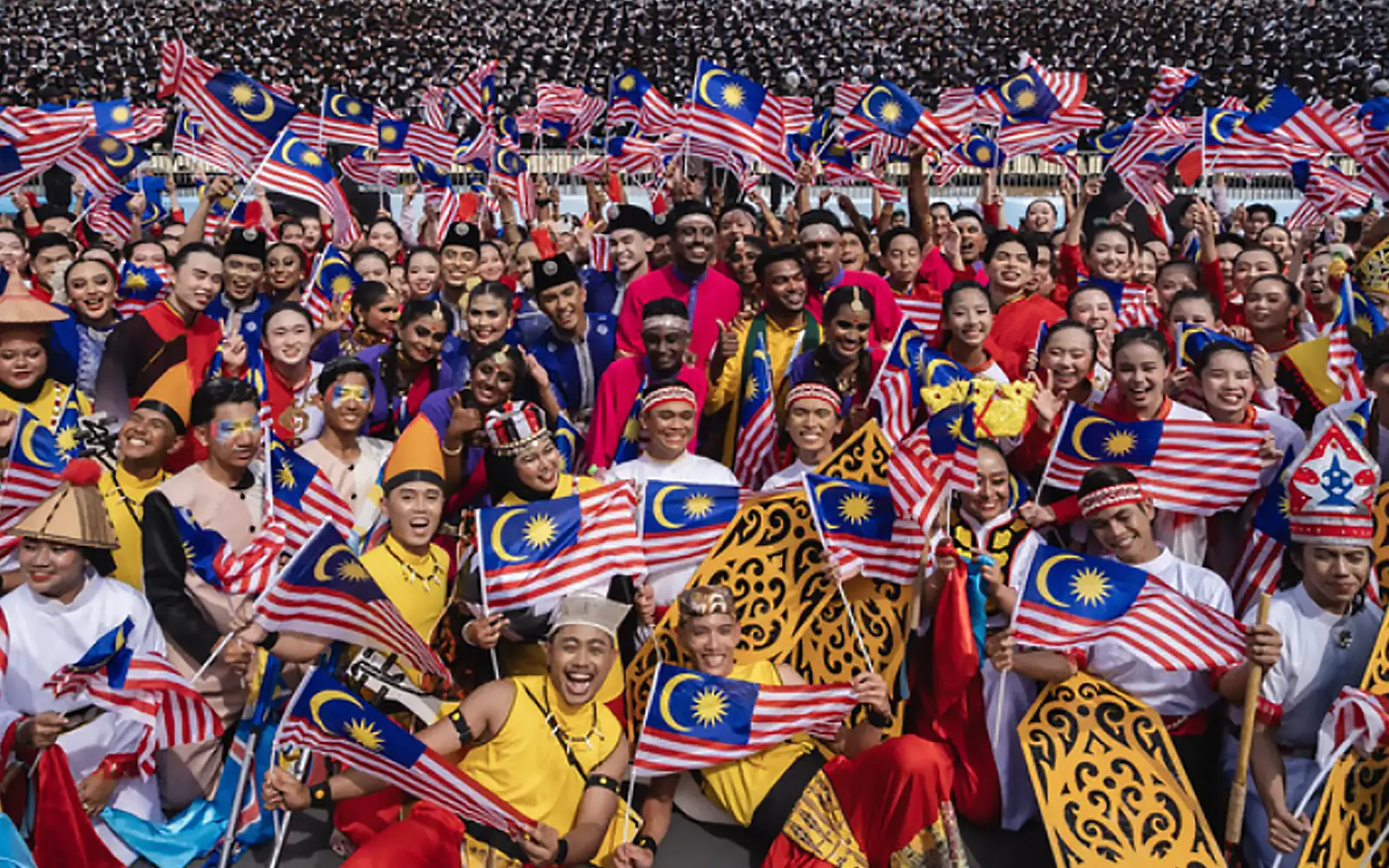
Seventy-nine years since the proclamation of Merdeka, the country once under colonial rule now enjoys an independent existence. However, the question arises: are our political sentiments truly independent? Despite Malaysia being free from foreign rule, our political sentiments remain shackled by fear, intimidation, and identity politics.
When sentiment becomes a political commodity, politicians increasingly rely on fear, threats, anger, and suspicion to gain attention and support. Sentiment is powerful because it often precedes rational thought, relying on past traumas, threats, and hidden fears rather than solid evidence or strong arguments. Leaders may lack intellect and performance, but they can still gain power by exploiting people's anxieties.
Digital age exacerbates the situation, as social media quickly amplifies anger over civility, and discussions over debates. Provocative statements gain more attention than well-reasoned explanations. As a result, the political landscape is shaped by those who shout the loudest, not necessarily those with the most rational thoughts.
The easiest sentiment to ignite is identity-based sentiment, with nationalism, religion, and groups being powerful tools in political discourse. Voters are asked to choose based on fear of their own group rather than the ability, trustworthiness, and record of a leader. Ibn Khaldun highlights the importance of collective spirit and unity as the driving force behind building society and civilization.
However, the collective spirit that loses rationality and fairness can easily become extremism, turning into a dividing force instead of a unifying one. The irony lies in the fact that the spirit of unity that once helped liberate the country is now too easily manipulated to build walls between us. Every group believes that the victory of another group is a loss for their own.
Politics becomes a game of win-lose, where one must gain at the expense of another. Ultimately, no society truly wins in this type of politics. The real beneficiaries are those who know how to turn differences into paths to power, at the cost of the people. As political energy is spent on maintaining group boundaries, pressing issues like public health, education quality, job creation, economic fairness, and good governance continue to wait for answers.
As long as identity remains the first and last argument, politics based on performance will continue to struggle for relevance. The price of accommodation politics is high. Since its inception, Malaysia's politics have been built on power-sharing among ethnic groups, a concept outlined by Arend Lijphart through the idea of consociational democracy.
While this approach has its benefits, creating space for negotiation, reducing conflict, and maintaining stability in a diverse society, each political system has its limits. When identity remains the primary basis for representation, the lines of division can become more blurred and rigid. Such a system may encourage competition over who can best protect their group, while oversimplification is easily considered a weakness, while excessive rigidity is rewarded politically.
Eventually, we learn to live together but not necessarily to think together as a nation. Frameworks that once helped manage differences may not be sufficient to guide us towards maturity. It is time to change the political balance. Jurgen Habermas envisioned a public space where citizens could argue rationally, with the power of argumentation taking precedence over the power of the individual arguing.
John Rawls, through the concept of "veil of ignorance," encourages us to imagine fairness without first knowing our position in society. Both approaches aim for a mature democracy where people can see beyond their own interests and consider what is fair for all. Therefore, our political balance needs to change. Leaders should be judged by the schools they improve, hospitals they strengthen, jobs they create, poverty they reduce, and injustice they eliminate, rather than by who shouts the loudest on their behalf.
Election results should become a stage for ideas, abilities, and records of work, not a race to see who can best intimidate one group against another. Success should be measured by its ability to improve people's lives, not merely by which group perceives themselves as better or worse. Only then will politics start moving from sentiment to substance.
Written by urgent.news from Free Malaysia Today's reporting — not their text. Machine-written — may contain errors; check the original before relying on it.
Also reported by 1 other outlet
- 69 Tahun Merdeka: Sampai bila politik sentimen? freemalaysiatoday.com