(2nd LD) Industrial output flat in July; retail sales down, facility investment up
SEJONG, Aug. 31 (Yonhap) -- South Korea's industrial output remained flat in Jul...
South Korea's industrial output remained stagnant in July from the previous month, data revealed on Monday, attributable to a base effect and a strike within the automobile sector. Retail sales contracted, while investment in facilities surged. Industrial production stayed unchanged in July compared to June, as per figures from the Ministry of Data and Statistics.
Output in the mining and manufacturing sector, a critical component of the economy, saw a 0.2% increase, driven by the electronics component segment, which expanded by 20.7%. However, the automobile industry experienced a drop of 4.5%. Semiconductor output also rose by 0.5%. The service sector witnessed the most significant decline, contracting by 1.3% in July, the steepest decline since February 2022, driven by high consumer prices and a heat wave.
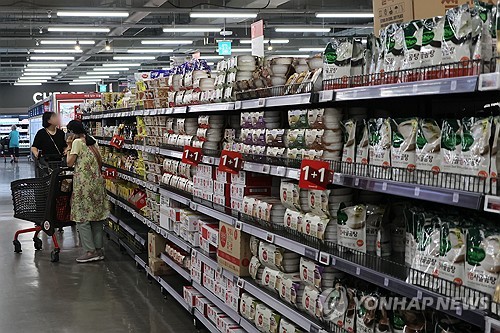
The information and communication sector grew by 3.5%, while the finance and insurance sector contracted by 4.8%. Retail sales, an indicator of private spending, fell by 2.4% over the period, primarily due to a decline in durable goods, including cars, amid elevated consumer prices. Semidurable goods sales, such as clothing, declined by 1.4%, while durable goods sales decreased by 7.7%, and nondurable goods, such as cosmetics, fell by 0.1%.
Facility investment rocketed by 7.5% in July compared to the previous month, marking the most substantial growth since February. The report highlighted investment in transportation equipment, led by ships and aircraft, increasing by 15.4%, while spending on machinery, including semiconductor production equipment, grew by 4.2%. The Ministry of Finance and Economy reported that South Korea's mining and manufacturing output experienced two consecutive months of growth, buoyed by robust exports.
The finance ministry emphasized that while production and investment remained robust, maintaining the momentum of economic recovery, challenges persist due to external uncertainties, including the Middle East conflict and its effect on inflation, as well as the struggles in youth employment. The government plans to introduce further measures to bolster citizens' well-being before the upcoming Chuseok holiday.
Written by urgent.news from Yonhap News's reporting — not their text. Machine-written — may contain errors; check the original before relying on it.
This story
This is one outlet's version. Read the fullest account.