144 years on, Kipling Bungalow set to be transformed as Mumbais new art hub
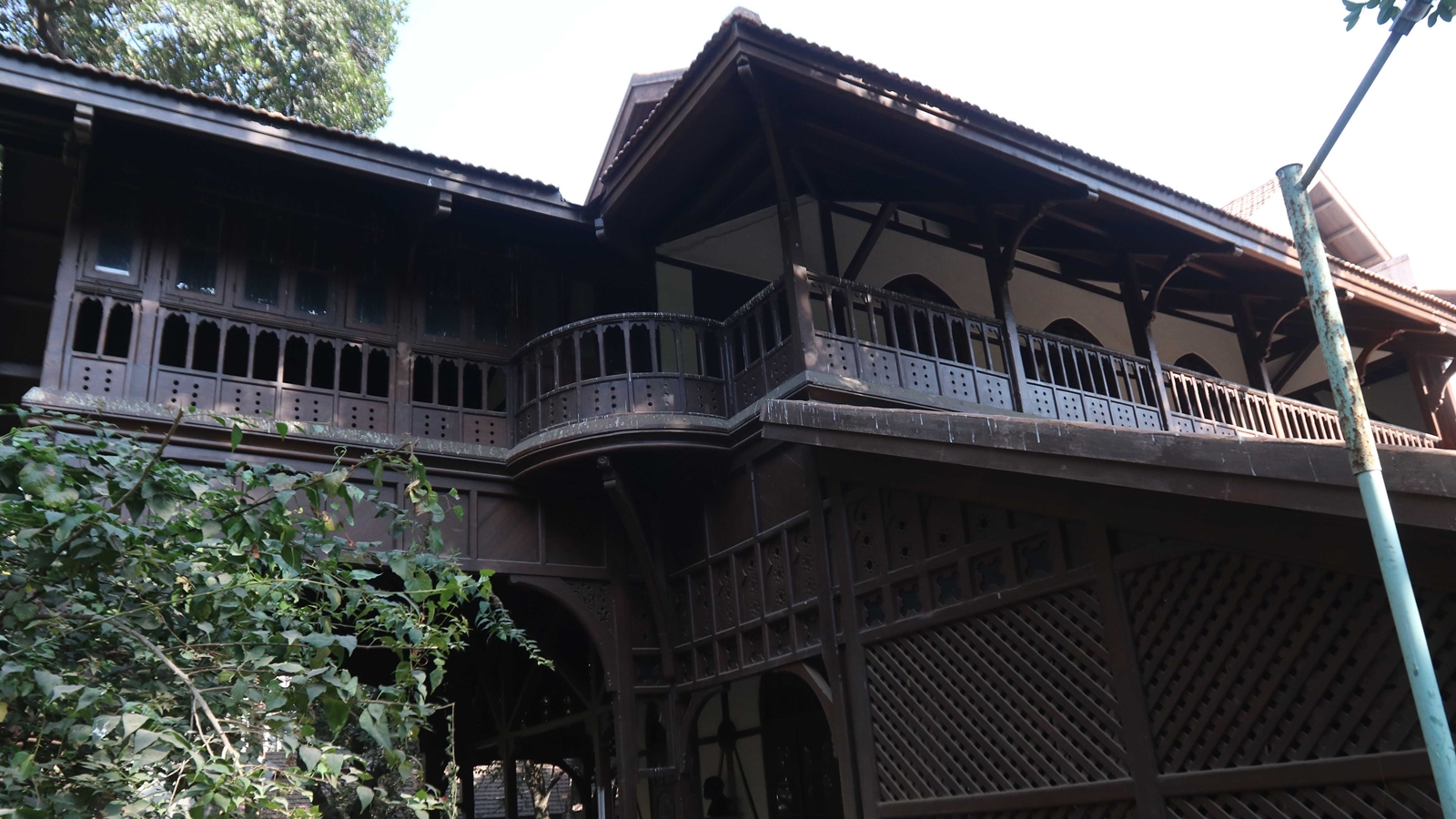
A century and a half after its construction, Mumbai's Kipling Bungalow is set to undergo a transformation into the city's new cultural hub. Initially serving as the residence for the Institute's principals, deans, and directors, the 144-year-old heritage structure has fallen into disrepair. However, a state government-led conservation project has breathed new life into the wood and brick building, originally known as the Dean's Bungalow and later popularly named Kipling Bungalow due to its connection with author Rudyard Kipling.
The building, which embodies the architectural character of colonial Bombay, will be reimagined as a multi-faceted cultural destination, featuring four art galleries, an amphitheatre, landscape spaces, and areas for performances and public events. Its design aims to create a space akin to Delhi's Bikaner House, a former royal residence that has been converted into a premier cultural and art center.
The Kipling Bungalow, situated on Sir J J School of Art, Architecture and Design's campus, holds a special place in the institution's history. Kipling, the Jungle Book author, was born on the campus in 1865, where his father, artist and educator John Lockwood Kipling, served as the first dean of the institution. In 1882, the current bungalow was built on the same site, nearly two decades after Kipling's birth.
The bungalow's transformation began when Sir J J School of Art's Vice Chancellor, Prof. Him Chatterjee, inquired about his accommodation upon taking charge. The conversation led to the rediscovery of the bungalow's potential, which was eventually extended financial support by the Maharashtra government with Rs 10 crore. The first of four proposed art galleries is already operational, originating from the former servants' quarters on the heritage structure. This gallery, named Swaraj, opened in August to coincide with the country's independence day.
Prof. Chatterjee envisions the Kipling Bungalow as an extension of the classroom, providing students with an opportunity to engage with diverse artistic practices and cultural exchanges.
Written by urgent.news from The Indian Express's reporting — not their text. Machine-written — may contain errors; check the original before relying on it.