Your HubSpot Integration Is Not Finished at Launch: A Five-Contract Model for Containing CRM Drift
A five-contract control model for preventing schema drift, duplicate writes, broken webhooks, and silent reporting failures in HubSpot integrations.
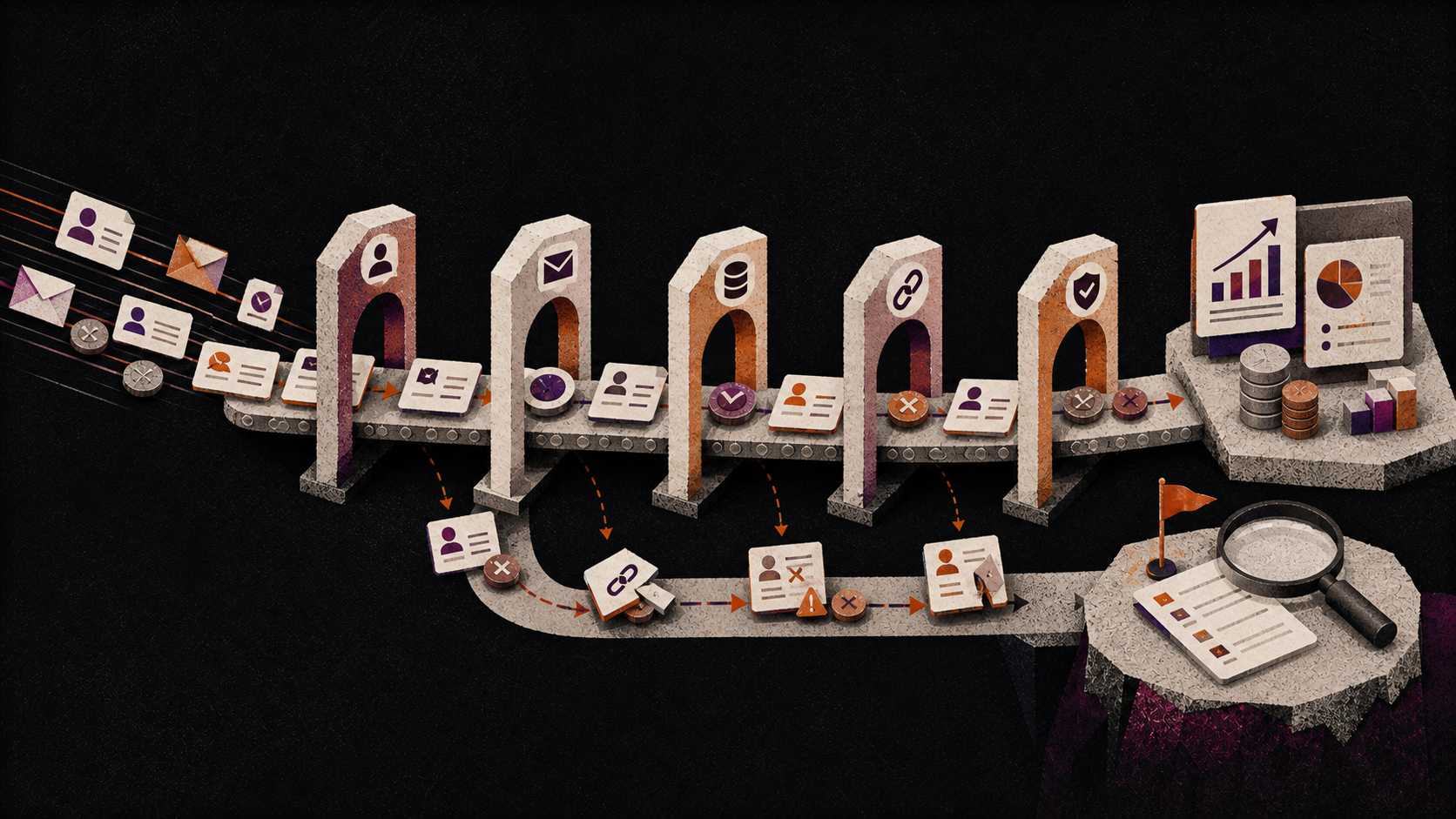
An integration is not simply a connection established between systems; it is a carefully managed relationship that requires continuous oversight to maintain its intended functionality. A new five-contract model has been proposed to help ensure that CRM integrations remain stable and accurate over time. This model focuses on five key aspects of integration that can drift apart over time.
The first contract, Identity, addresses the question of which record represents the same real entity across systems. Duplicate companies and split customer histories can lead to confusion if not properly addressed. The contract calls for a durable cross-system identifier and a clear merge policy. HubSpot's Properties API documentation suggests that object record IDs are unique, but creating the property is only the beginning.
The contract should also specify how conflicts are handled and which system has the authority to merge records.
The second contract, Schema, deals with the shared meaning of fields, their types, allowed values, and formatting. Consider the customer_status field, which may be interpreted differently by various systems. The schema contract should record the internal name, human label, data type, allowed values, authoritative writer, downstream consumers, and null and default behavior.
HubSpot's documentation covers enumerations, unique identifiers, formatting requirements, and property updates, all of which should be included in the contract. Any schema change should trigger a compatibility check to ensure downstream systems recognize the change.
The third contract, Event, focuses on what happened, when, and in what context. For example, a retry after a timeout could create a duplicate order. The contract should address event identity, idempotency, ordering, and replay rules. It should also specify which system may perform each action and how associations are restored after a merge.
The fourth contract, Authority, determines which system or role may perform each action. Two systems should not overwrite the same property. The contract should define write ownership, least privilege, and approval tiers to prevent unintended changes. The fifth contract, Recovery, outlines how to detect and repair divergence between systems.
Silent data mismatches can grow for weeks before becoming apparent. The contract should cover tracing, reconciliation, replay, and rollback procedures to quickly identify and correct errors.
By focusing on these five contracts, enterprises can better manage the ongoing relationship between their connected systems and prevent integration drift. Each contract requires input from different teams, including RevOps, technology, security, finance, and customer operations. By working together to maintain these contracts, organizations can ensure their integrations continue to deliver the intended business outcomes, even as the underlying systems evolve.
Written by urgent.news from HackerNoon's reporting — not their text. Machine-written — may contain errors; check the original before relying on it.