Will US threats over Iran be the last straw for Beijing?
Earlier this month, when US Treasury Secretary Scott Bessent threatened sanctions against any nation continuing to purchase Iranian crude oil, he did not name China. He did not need to. China, the Islamic Republic’s largest oil customer, is squarely in Washington’s crosshairs. The US has already unveiled new sanctions against 60 individuals, companies and vessels linked to Iranian trade,…
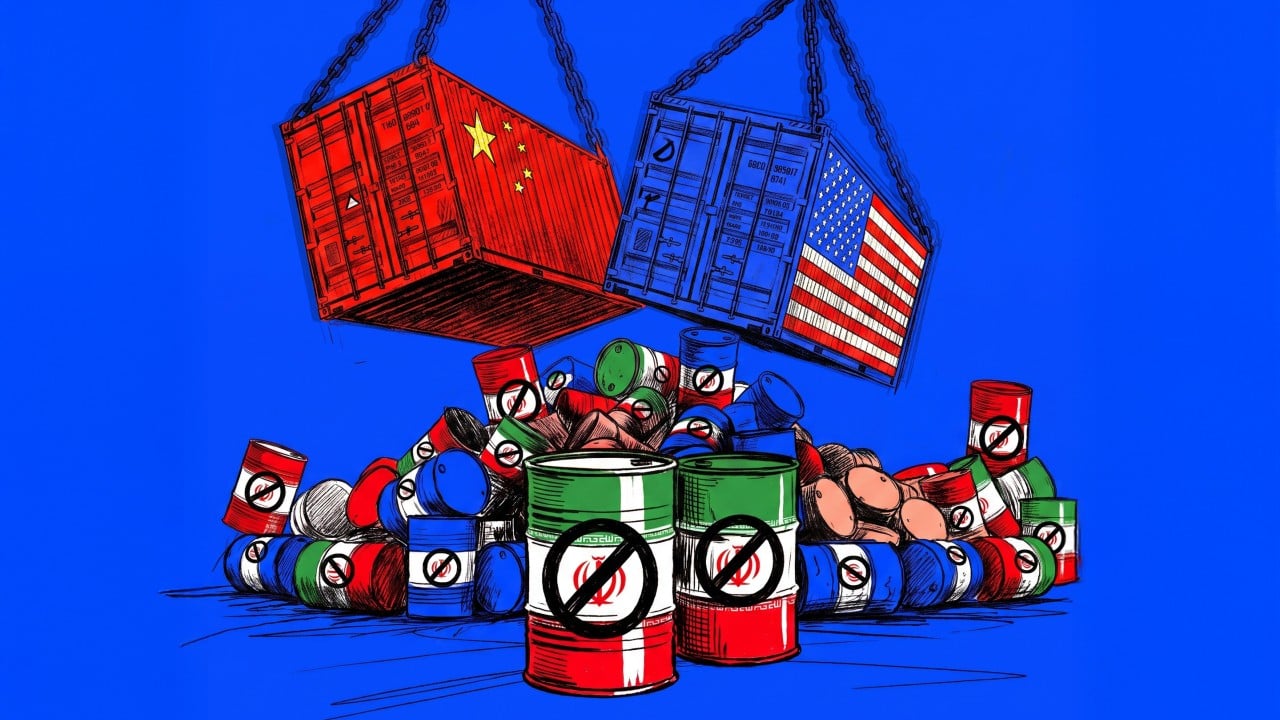
U.S. Treasury Secretary Scott Bessent recently threatened sanctions on countries purchasing Iranian oil, targeting China as the largest oil buyer. This comes three months after a summit between Chinese President Xi Jinping and U.S. President Donald Trump appeared to stabilize relations. China has signaled it will not be pressured, and the standoff raises concerns of a major rupture in the already tense relationship.
Since May, the U.S. has taken various actions against China, including adding companies to its list of military entities, imposing tariffs on goods from 60 economies, including China, and banning imports of Chinese robots and power inverters. Beijing's response has been measured, avoiding blanket retaliation and striking back selectively when core interests are threatened.
However, the U.S.'s stance on Iran has China considering a more forceful response. Two other flashpoints, the U.S. overcapacity investigation and the potential revocation of China's Permanent Normal Trade Relations (PNTR) status, could exacerbate tensions. If the U.S. imposes duties that push total tariffs close to the 20% limit, China may retaliate by tightening export controls over rare earths and critical minerals, where China's supply chain dominance is deepest.
Additionally, ending China's PNTR status would significantly increase U.S. duties on Chinese goods, potentially leading to a trade war that could mark the most profound rupture in bilateral trade since China's WTO accession in 2001. The U.S. is moving beyond tariffs to a non-tariff war, employing blacklisting, export controls, and minimum import prices.
China, in turn, is preparing to respond with parallel curbs on drones and components, as well as polysilicon and other sectors, potentially inflicting more pain on American manufacturers than on Chinese suppliers. The situation shows that strategic economic engagement is over, replaced by competitive coexistence characterized by high tariffs, reshaped supply chains, and hardening technological boundaries.
Written by urgent.news from South China Morning Post's reporting — not their text. Machine-written — may contain errors; check the original before relying on it.