Why this small party is barred from Russia's election
Why did Russian authorities tolerate Yabloko for so long and why did they move now to silence the party at the polls?
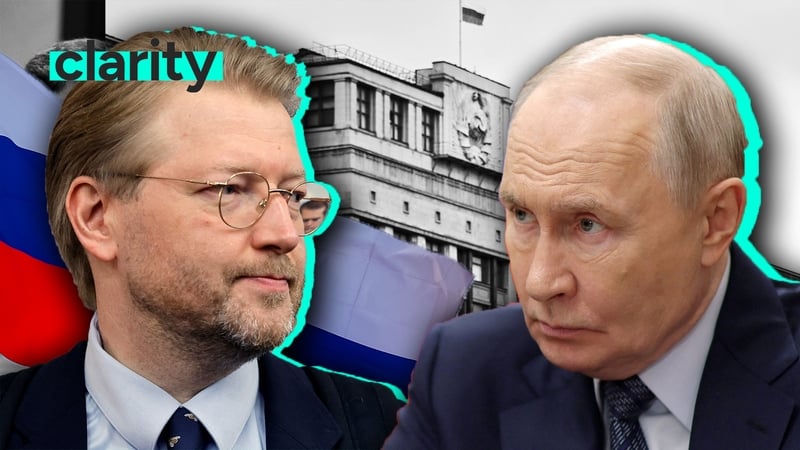
On 17 August, Russia's highest court prohibited the anti-war party Yabloko from participating in the country's federal parliamentary elections slated for mid-September. This decision came after a complaint from a pro-Kremlin nationalist party regarding alleged copyright infringements on Yabloko's application materials. Yabloko, founded in the early 1990s, openly advocates for a ceasefire in Ukraine and pushes for democratic reforms in Russia, despite the Kremlin's stance.
The party's leader, Nikolai Rybakov, lost his appeal against the court's ruling, and Yabloko's deputy chairman, Lev Shlosberg, was sentenced to 11 years in prison for spreading false information about the Russian military on social media. Russian authorities have introduced numerous laws since the start of the invasion to suppress opposition to the war and restrict press freedom.
These laws have been used to imprison numerous activists for criticizing the war. As a result, many Yabloko members have left Russia for exile. Former Yabloko politician Elena Filina, now living in Germany, described Russia as a country where opposition is almost non-existent, with people either staying silent or facing harsh penalties.
Yabloko has historically polled around 1% in recent elections but won 45 seats in the 1995 federal parliamentary elections, illustrating its marginal status. The party could have won at least 3% of votes this time, which would have granted it a seat in parliament, but the court's decision effectively bars it from contesting the elections.
Written by urgent.news from RTE News's reporting — not their text. Machine-written — may contain errors; check the original before relying on it.