Why some young people stick with social causes while others fade away
Young adults drawn to social causes by deep moral convictions are more likely to stay engaged than those seeking social approval. New research reveals how political ideology and specific emotions shape whether a person’s activism lasts.
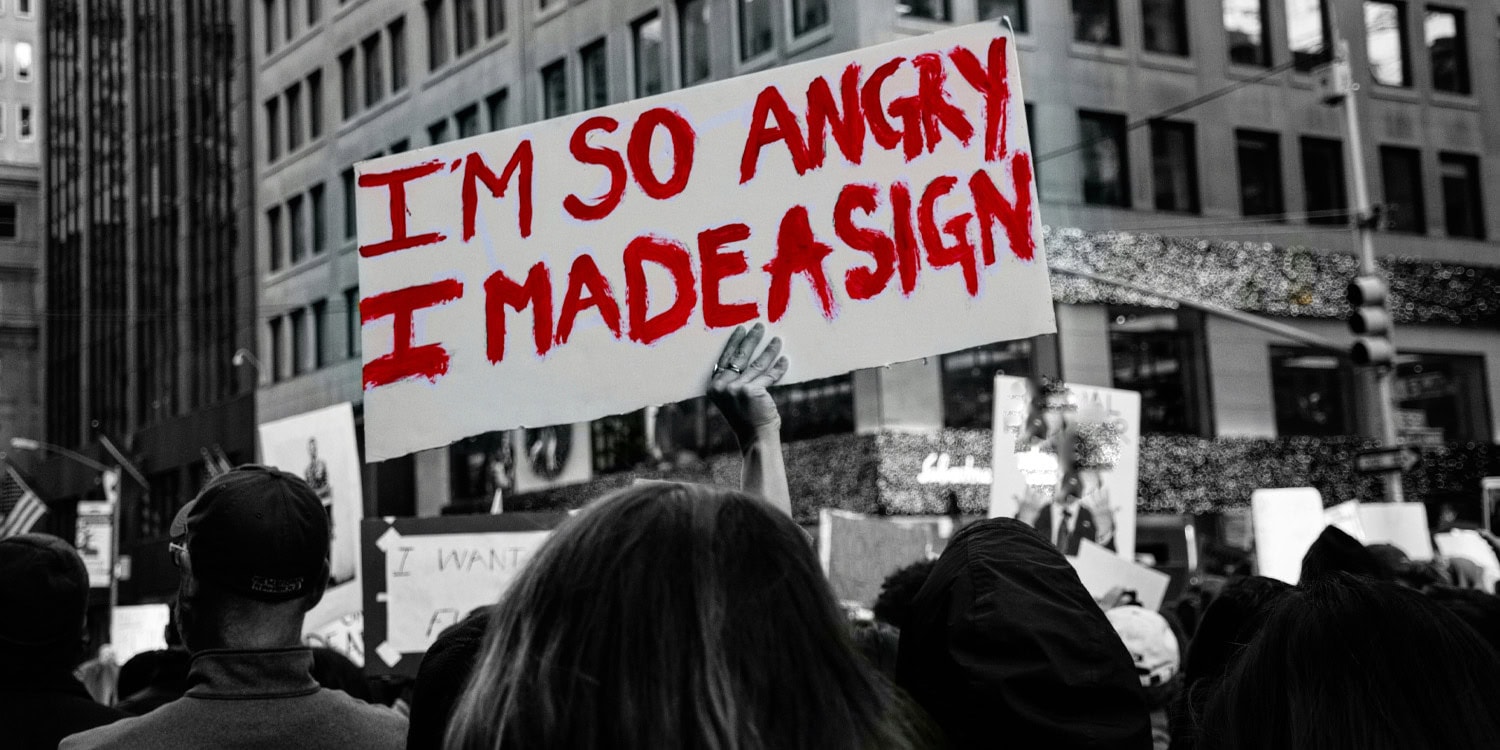
A study in Social Psychology Quarterly explores the motivations behind young adults' engagement with social causes in the United States. Researchers found that internal motivations, driven by personal commitment or moral dedication, are more likely to lead to sustained involvement compared to external motivations motivated by a desire for social approval.
Political ideology also plays a role, with liberals often acting from empathy and conservatives frequently relying on community approval. The researchers surveyed 934 young adults, aged 18 to 29, about their involvement in political, religious, and civic activities over the past year and their intended engagement in the next twelve months.
They assessed both internal and external motivations and identified the emotions associated with each. Internally motivated individuals tended to feel other-focused emotions such as empathy and anger, along with positive self-regard and lower levels of guilt, while externally motivated individuals reported more self-focused emotions, including pride and guilt.
Liberal participants reported higher levels of empathy and internal motivation, while conservative participants reported higher levels of external motivation and pride. The study also found that feelings of pride explained conservative participants' reliance on external motivation. Follow-up interviews with 30 participants revealed that liberal individuals emphasized internal motivations and rejected acting for social reputation, expressing anger about injustice and the emotional toll of activism.
Conservative participants often described their engagement in terms of social interaction and community building, often tied to their religious faith, which provided a supportive network encouraging involvement. While the study did not establish a direct cause-and-effect relationship, it suggests that people's feelings and motivations can evolve over time.
Written by urgent.news from PsyPost's reporting — not their text. Machine-written — may contain errors; check the original before relying on it.