Why AI can’t completely replace translators, for now least
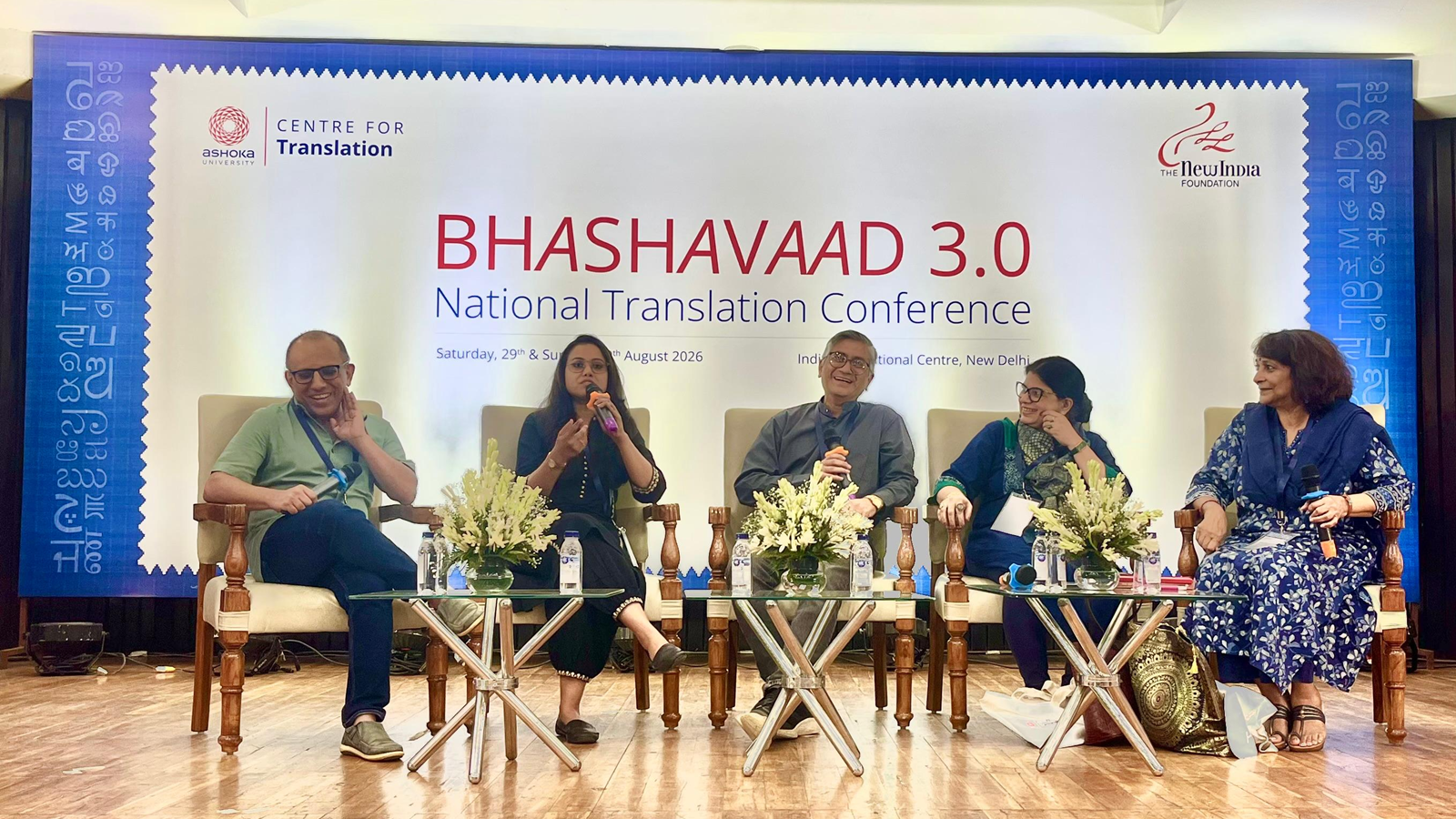
The debate on whether artificial intelligence can replace human translators continues, but a recent event suggests the answer may not be as simple as some claim. At the Bhashavaad National Translation Conference in New Delhi, a panel of journalists, translators, and historians discussed the capabilities and limitations of AI in the realm of literary translation.
While AI currently excels at translating formulaic fiction, its ability to handle context-dependent meanings is limited, according to panelists such as Ashoka University's Centre for Translation Director Arunava Sinha. Literary translation requires a deep understanding of context, which AI models lack due to their lack of human experience.
However, the panel also acknowledged that AI may never fully replace translators, as these professionals produce knowledge rather than merely reproducing existing text. The ethical implications of AI involvement in the translation process, particularly regarding copyright ownership, were also brought up by panelists such as Penguin Random House India Senior Commissioning Editor Moutushi Mukherjee.
Despite the concerns, the consensus was that AI should not be dismissed entirely, as demonstrated by examples of successful AI-assisted translations. The event concluded with a hopeful tone, emphasizing that the role of translators is unlikely to disappear anytime soon.
Written by urgent.news from The Indian Express's reporting — not their text. Machine-written — may contain errors; check the original before relying on it.