When we love products that make us dumber
AUGUST 30 — Back in 2001, I had to go to KLIA every weekend and I always used the same taxi driver.When I recall h...
In August 2001, the author needed to travel frequently to KLIA and relied on a consistent taxi driver to pick them up. The driver's ability to navigate any house within a 10-mile radius of SS2 was impressive, a skill considered superhuman today. However, modern technology, such as Waze, has removed the need for such directional memory in Malaysians.
If the app were to fail, the author worries about finding oneself stranded at an unfamiliar location. Modern tools, like Google Maps, have become ubiquitous, teaching people they no longer need the skill of reading physical maps.
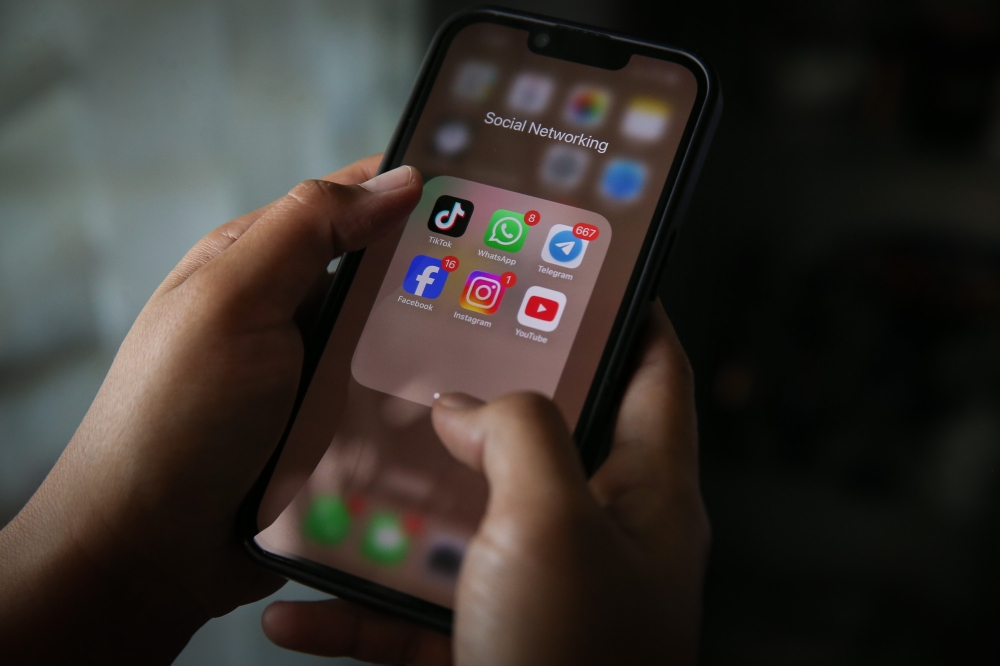
The author cites Google Translate as a tool that has caused more harm than any other by eliminating the need for language classes. With the ability to translate speech in real-time, there's no reason to spend time learning new languages. Similarly, AI-powered phone cameras have eliminated the need for users to understand camera settings, leading to a decline in photography skills.
The author also highlights how university students rely on AI tools like DeepSeek and Gemini to write essays, rather than honing their own writing abilities. The consequences of such reliance on technology extend beyond convenience; people may believe they are more intelligent than they truly are.
The author argues that modern technology is not just about convenience but about fostering a false sense of intelligence. Streaming services, such as Netflix and YouTube, reduce complex topics to short, easily digestible videos, potentially replacing the process of cultivating taste and knowledge. The author laments the loss of the "private canon" that once allowed individuals to build their own interests and preferences.
Furthermore, the author criticizes institutions that award advanced degrees to students who struggle with language proficiency or overlook the shortcomings of MBA programs that prioritize public speaking over critical thinking. The author also expresses concern over educational organizations that promote unproven theories, such as the idea that certain ethnicities possess unique abilities.
In conclusion, the author argues that the true value of technology lies not in its convenience but in the feeling of already knowing the way, even when the app fails. The modern product is not convenience but the belief in one's pre-existing knowledge. The author ends by comparing the modern version of Odysseus to a Hollywood version of a remorseful action hero, suggesting that technology has stripped away the complexity and depth of classic literature.
Written by urgent.news from Malay Mail's reporting — not their text. Machine-written — may contain errors; check the original before relying on it.