What are ‘hanging glaciers’ and why are they a major risk for India?
Hanging glaciers, a risk for India, form on steep slopes of unstable ice masses that can detach and cause massive avalanches. A study published in Nature magazine in April 2026 identified 219 hanging glaciers in the Alaknanda basin of the Garhwal Himalayas, with nearly a third of this unstable ice concentrated in the Upper Alaknanda basin.
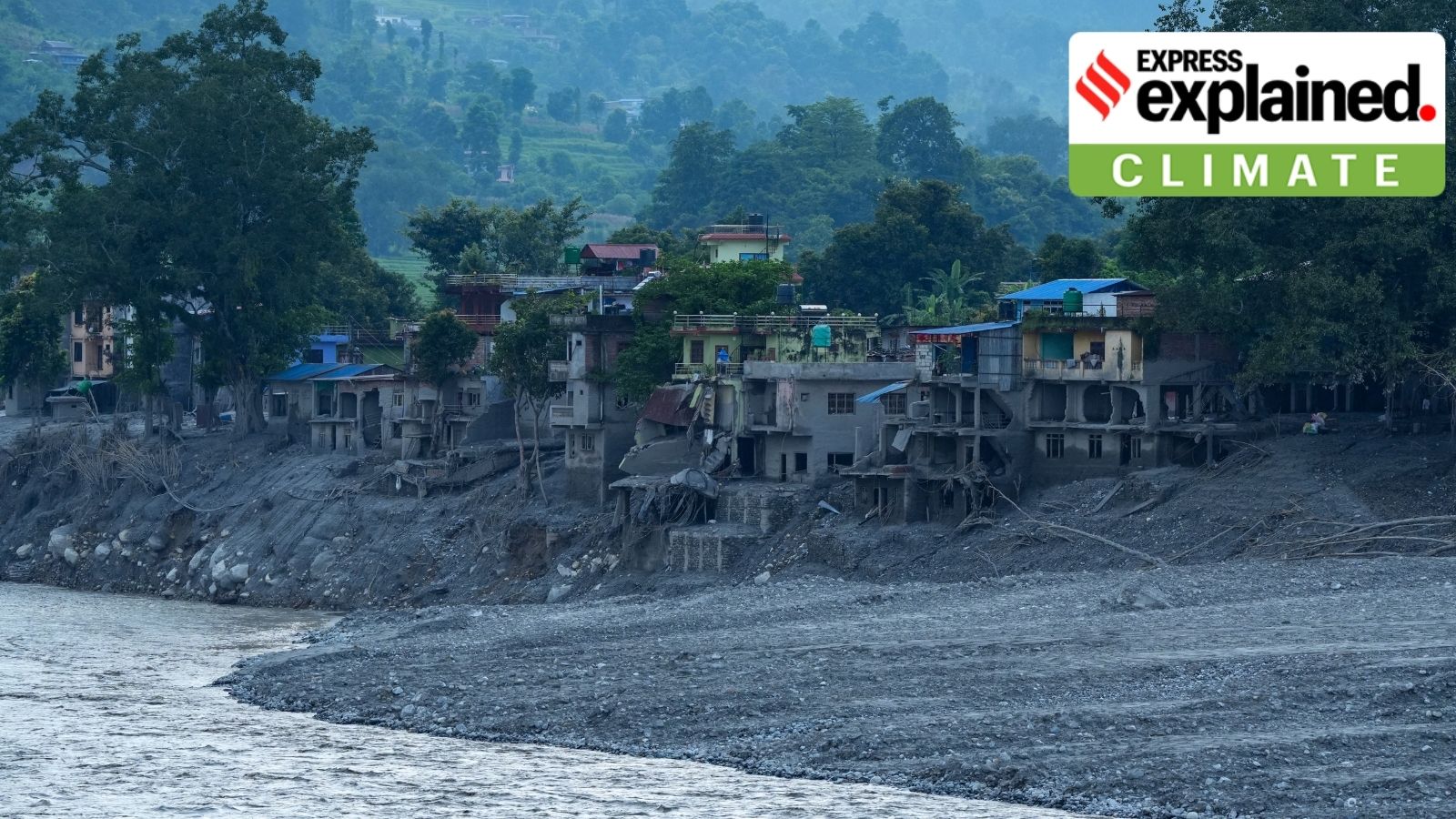
Rapid warming and climate variability are causing glaciers to exhibit "geometric and dynamic instability," leading to redistribution of ice and the development of hanging glaciers. If these unstable glaciers break off, avalanche flows can exceed 50 meters in Uttarakhand's Badrinath-Mana sector, potentially swallowing major settlements and infrastructure.
Such break-offs can also trigger secondary hazards like glacial lake outburst floods (GLOFs). Exposure to avalanche-related risks in the Alaknanda basin is projected to increase by 120% over the next decade, with 17% more people living in at-risk areas by 2030 compared to 2000. This highlights the urgent need for systematic identification and monitoring of high-risk glaciers, as well as risk-informed land-use planning, to reduce downstream hazards in mountain regions.
Written by urgent.news from The Indian Express's reporting — not their text. Machine-written — may contain errors; check the original before relying on it.