Weak September rains could push FY27 inflation to 5.5% or higher: Report
India's inflation outlook hinges critically on September rainfall performance. A monsoon shortfall could push inflation to 5.5 percent or higher. Kharif sowing has recovered significantly from earlier deficits this season. Reservoir levels offer some cushion but remain below last year's figures. Weak rainfall's impact will emerge gradually, affecting rural demand.
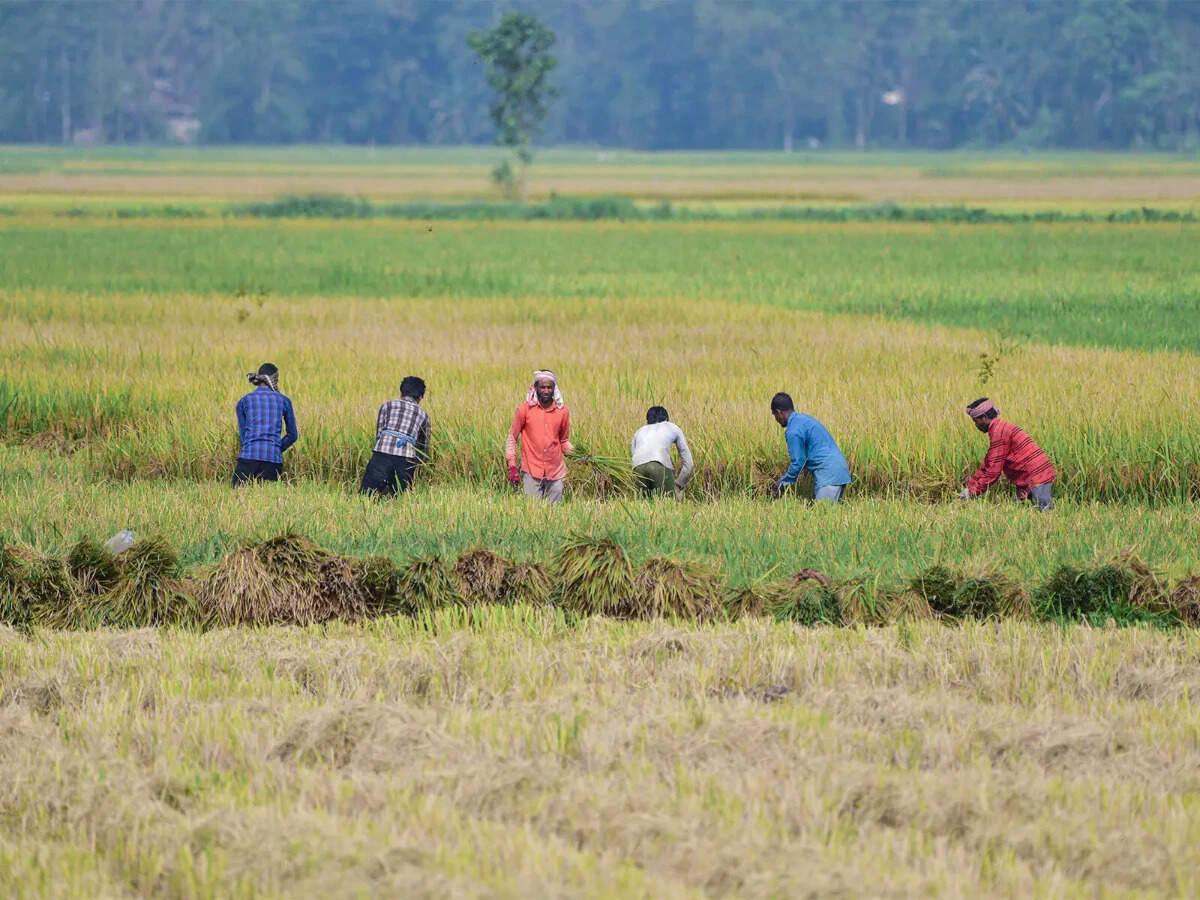
India's inflation outlook is dependent on the rainfall in September, with a potential 5.5% or higher consumer price inflation if El Nino conditions are confirmed, according to a report from Union Bank of India. The monsoon has fallen 13% short of the long-term average, despite a recovery in kharif sowing. September's rainfall is crucial for crop yields, soil moisture, and water availability ahead of the upcoming rabi season.
Kharif sowing has recovered slightly from the earlier shortfall, falling only 1.5% below last year's level as of August 21. However, continued rainfall deficiencies during crop growth and maturity could impact yields, especially in rain-fed regions, while lower soil moisture could likewise affect rabi crops. The rainfall deficit varies regionally, with the northwestern area 10% below normal, the southern region 22% below, and the eastern and north-eastern areas experiencing a 27% deficit.
State-wise, Andhra Pradesh and Bihar are particularly affected, with 40% and 42% deficits, respectively. Reservoir levels currently hold 64% of live storage capacity, though this is 18% below last year's level, with northern and southern regions lagging significantly behind. Union Bank maintains its FY27 CPI inflation projection at 5%, assuming crude oil stabilises around USD 90 per barrel, but a confirmed El Nino could push food inflation higher, raising the projection to 5.5% or above.
The impact of weak rainfall is expected to emerge gradually, particularly during the post-harvest period, potentially straining rural incomes and consumption demand in the second half of FY27, and possibly prompting a rate hike towards the end of the financial year.
Written by urgent.news from The Economic Times - Economy's reporting — not their text. Machine-written — may contain errors; check the original before relying on it.