Warsh traza un camino con visión de futuro para la Fed en Jackson Hole
El nuevo presidente de la Reserva Federal defiende la importancia de ceñirse a los datos económicos y evitar proyecciones sobre la trayectoria futura de los tipos de interés. Leer
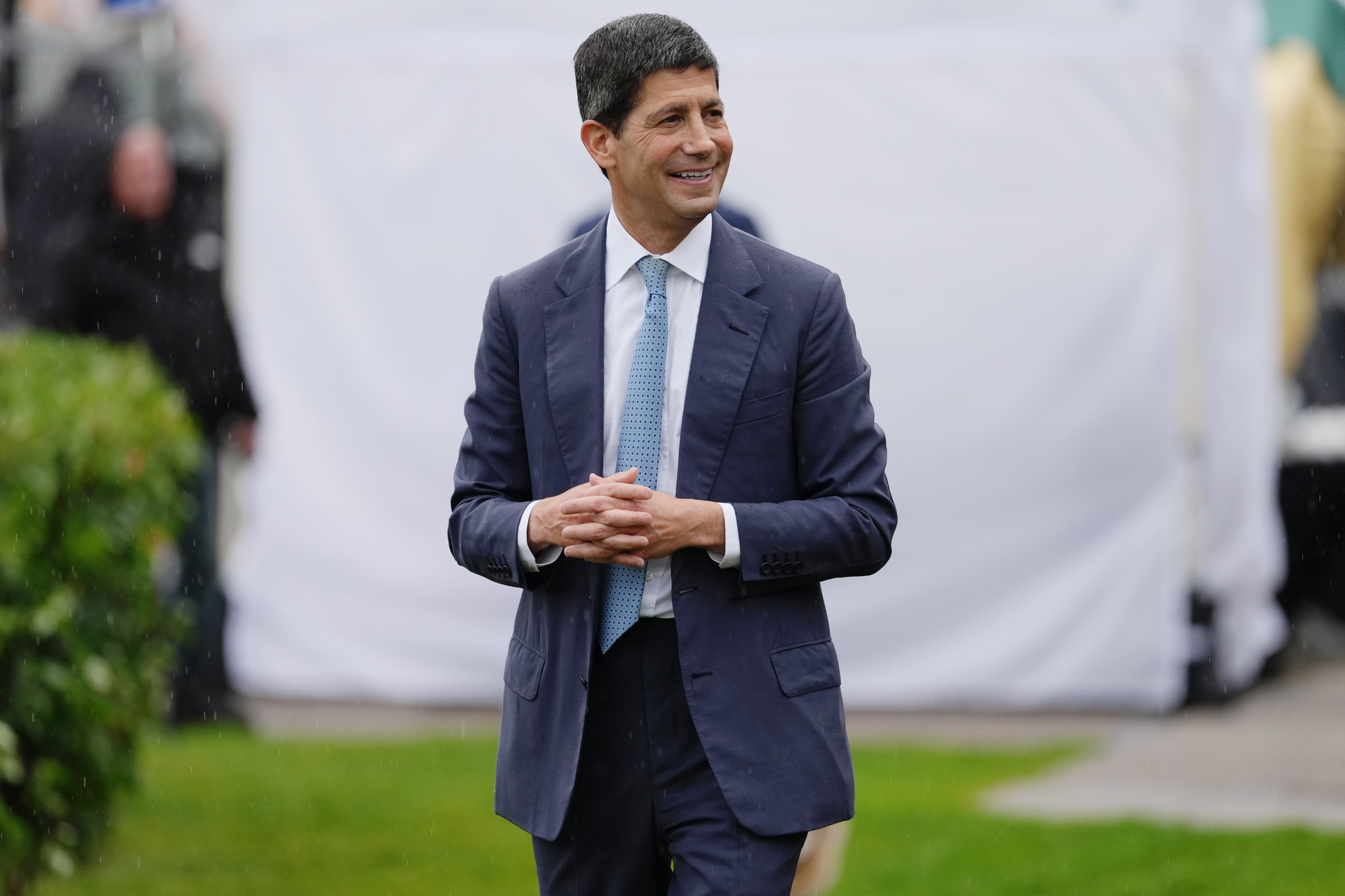
Kevin Warsh, the newly appointed Federal Reserve president, defended the importance of adhering to economic data and avoiding predictions about future interest rates during his first speech at the annual central bank conference in Jackson Hole. Despite high and diverse expectations, Warsh addressed both short- and long-term questions with skill, dispelling many doubts.
However, media and market attention focused on less significant aspects of his speech. The primary challenge Warsh faced was balancing his response to market criticism over the Fed's lack of understanding of the "reaction function" – how the Fed would respond to economic changes under its management – while staying true to the symposium's original goal of discussing long-term fundamentals for economic outlooks and the effectiveness of the Fed's policy.
Despite extensive writings and congressional testimony, some Wall Street analysts felt Warsh lacked sufficient knowledge about the reaction function and needed to provide clearer insights into the current economy and future policy guidance. Previous Fed policies emphasized data dependency, frequent communication, and forward guidance, which has led to a market that anticipates the Fed's next move and acts as a referee rather than a player.
Warsh aimed to return to the original intentions of Jackson Hole, as the country is experiencing historic changes driven by innovation and geopolitical factors. He also aimed to provide a comprehensive vision to unify a highly divided Open Market Committee over time. Warsh addressed the public's demand for his opinion on the current state of the economy, the balance of risks for the dual mandate of employment and price stability, and his commitment to using the Personal Consumption Expenditures price index as the preferred inflation target for the central bank.
His hawkish tone, focusing on inflation trends, attracted the most media attention. Warsh stressed that forward guidance has become obsolete and poses the risk of a "mirror hall" effect, where the Fed and the market send the same signals to each other. He also referenced the Fed's poor monetary policy decision in 2021-2022, where incorrect forward guidance led to a slow response, allowing consumer price inflation to exceed 9%.
The most crucial part of his speech addressed the challenges posed by the current phase of innovation for the economy and the effectiveness of policies, including the role of AI as a new production factor. While receiving less media attention, this is the most important and interesting part of his speech, as it has far-reaching implications for economic functioning, monetary policy evolution, and financial stability risks.
Warsh provided a masterclass in central bank communication at a crucial time, addressing immediate market demands on reaction function details and highlighting broader, secular realities of productivity and AI. If markets move beyond short-term headlines and focus more on ongoing strategic shifts, Jackson Hole 2026 could be remembered as the moment the Fed reclaimed its leadership role in economic debate.
Written by urgent.news from Expansion ES's reporting — not their text. Machine-written — may contain errors; check the original before relying on it.
This story
This is one outlet's version. Read the fullest account.
- Warsh raises stakes for Fed’s next meeting and other takeaways from Jackson Hole conference apnews.com
- Bitcoin falls below $78,000 as crypto market faces correction after Warsh’s Jackson Hole comments economictimes.indiatimes.com
- Warsh raises stakes for Fed's next meeting, and other takeaways from Jackson Hole conference pbs.org
- Jackson Hole analyst roundup: Warsh's speech sends hike chances higher, may put Fed `at odds' with Treasury cnbc.com
- Fed chair Warsh’s hawkish Jackson Hole turn favours soaring banks over struggling S-Reits businesstimes.com.sg
- Warsh charts a forward-looking path for the Fed at Jackson Hole ft.com
- Warsh raises stakes for Fed’s next meeting and other takeaways from Jackson Hole conference winnipegfreepress.com
- Warsh at Jackson Hole: 8 key takeaways investing.com