US Treasury’s Bessent faces G20 diplomacy test amid tariffs, Iran war, bond turmoil
U.S. Treasury Secretary Scott Bessent faces a major test of his economic diplomacy skills this week as he presses finance leaders from the G20 major economies to shrink global trade imbalances, boost growth and sever business ties to Iran, while trying to calm worries about rising U.S. debt and bond yields.
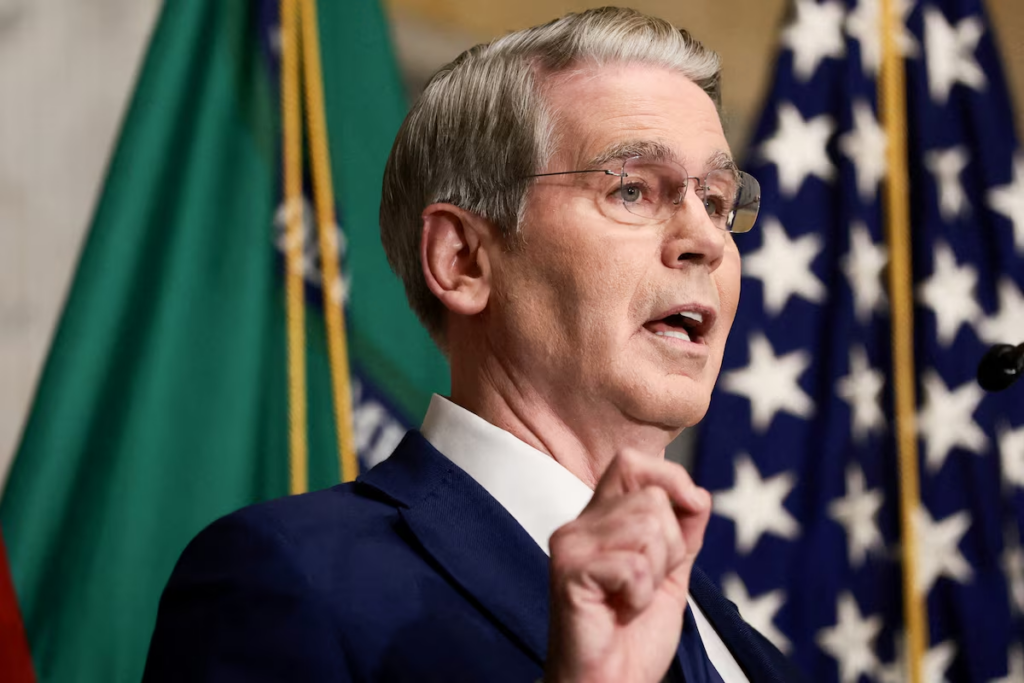
U.S. Treasury Secretary Scott Bessent is set to tackle a significant diplomatic challenge at the G20 meeting this week. He will be pushing finance leaders from the world's major economies to address global trade imbalances, promote growth, and sever business ties with Iran. Simultaneously, Bessent aims to ease concerns about rising U.S. debt and bond yields.
This is Bessent's first attempt to revamp the G20 process under U.S. leadership since last year's meeting in South Africa. The Asheville, North Carolina meeting, which takes place on Monday and Tuesday, coincides with heightened uncertainty over the Trump administration's future tariff policies, the ongoing trade war with Canada, and surging energy and commodity prices due to the Iran conflict.
The ongoing conflict has resulted in the closure of the Strait of Hormuz, negatively impacting growth for most G20 economies. In response, Bessent has threatened secondary U.S. sanctions on any country persisting in buying Iranian oil or engaging in other transactions with Tehran.
On Friday, Bessent imposed restrictions on a bank from G20 member Egypt due to its alleged links to Iran through its branches in the United Arab Emirates. The diverse G20 forum, comprising countries like China and Russia, often struggles to reach collective decisions, often ignoring geopolitical tensions like the war in Ukraine.
Josh Lipsky, an international economics chair at the Atlantic Council, predicts that Iran will be a focal point for discussions, while countries may focus on tariffs. The U.S. has re-imposed tariffs on 60 economies since the Supreme Court struck down Trump's global tariffs in February. Sixteen major U.S. trading partners are facing additional tariffs due to alleged excess industrial capacity.
The tariffs are crucial to the Trump administration's strategy to reduce global trade imbalances, which stem from "distortive government economic policies," according to a senior Treasury official. Europe is keen to discuss Chinese exports, which have surged amid U.S. tariffs and a ban on Chinese vehicles, prompting calls for stricter import controls in the EU. However, China remains resistant to reducing industrial subsidies and shifting towards internal demand.
U.S. public debt has surpassed $40 trillion, sparking market unease about future debt trends. Despite this, Treasury Secretary Bessent has increased buybacks of longer-dated Treasuries by $4 billion per operation, causing brief yield relief but raising concerns among central bankers about potential further intervention. The U.S. has also intervened in G20 currencies, supporting the yen and purchasing Argentine pesos.
Written by urgent.news from MyJoyOnline Ghana's reporting — not their text. Machine-written — may contain errors; check the original before relying on it.
This story
This is one outlet's version. Read the fullest account.
- CBK: Treasury bills attract Ksh56.7B bids, twice the amount on offer peopledaily.digital
- US Treasury's Bessent faces G20 diplomacy test amid tariffs, Iran war, bond turmoil al-monitor.com
- Government to open book-build for four-year Treasury Bond on September 1 adomonline.com
- New four-year Treasury Bond opens for bids September 1 myjoyonline.com
- US Treasury’s Bessent faces G20 diplomacy test amid tariffs, Iran war, bond turmoil investing.com
- U.S. Treasury's Bessent faces G20 diplomacy test amid tariffs, Iran war, bond turmoil cnbc.com