US military uses high-energy lasers to shoot down three Mexican cartel drones over the southern border — narcos suspected of using UAVs for surveillance and reconnaissance to support illegal activities
The US military has successfully deployed a laser defense system on the southern border of the country and shot down alleged Mexican cartel drones. These UAVs are suspected of spotting U.S. law enforcement operations and help the criminal organizations traffic humans and goods into the United States.
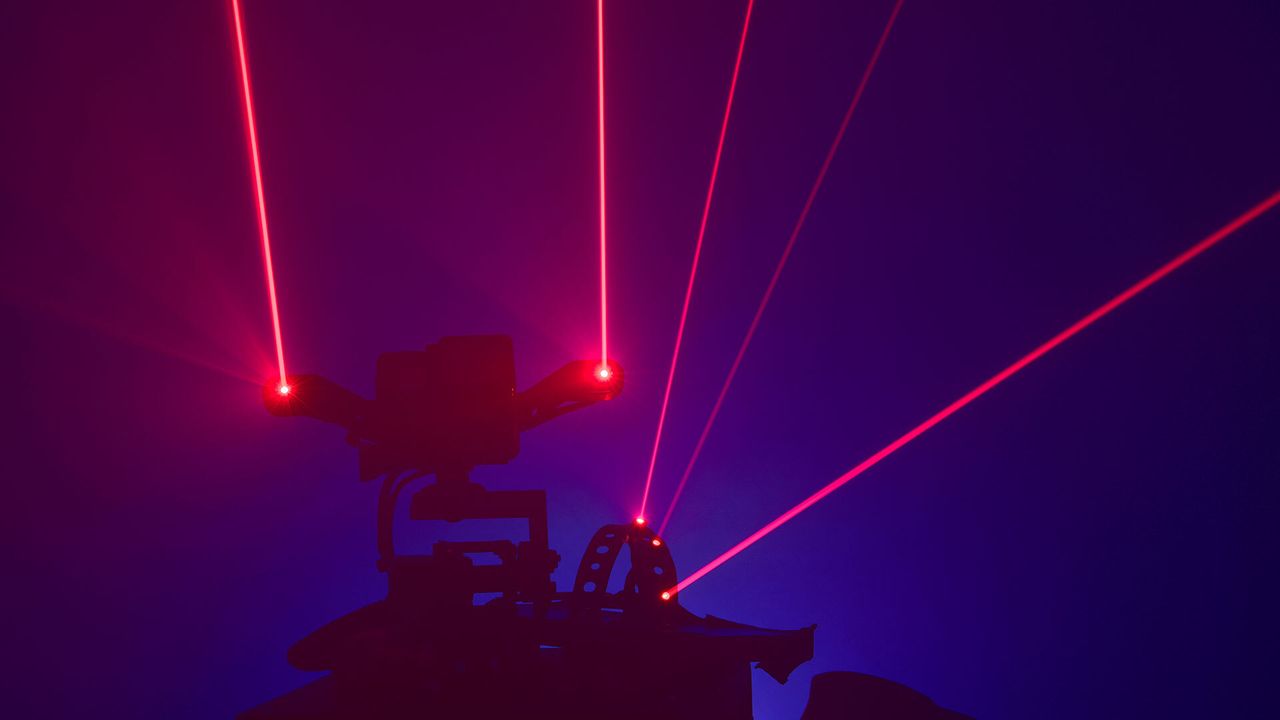
In a recent operation, the United States military utilized a high-energy laser system to eliminate three drones suspected of being affiliated with Mexican cartels. These unmanned aerial vehicles, or UAVs, were targeted by the Army Multipurpose High Energy Laser System, which falls under the purview of the U.S. Northern Command. The incident transpired between Tuesday evening and Wednesday morning.
Maj. Gen. Curtis Taylor, the commander of the Joint Task Force overseeing the southern border, emphasized that cartel networks are increasingly utilizing unmanned aircraft systems for human smuggling and surveillance purposes. The general stated that by combining layered countermeasures with advanced directed-energy capabilities, such as the aforementioned laser system, the U.S. has made it evident that such hostile surveillance will not be tolerated.
The precise location of the drone shoot-downs remains uncertain, but a military spokesperson confirmed that the operation was conducted collaboratively with all relevant border partners. This is not the first instance where a laser weapon has been employed to safeguard American airspace. In February, the Pentagon utilized a similar system to detect and neutralize unknown aerial targets, resulting in the temporary closure of a major airport due to substantial disruptions. It was subsequently revealed that the targets were merely party balloons.
Earlier this month, another incident involving the deployment of laser weapons led to the successful downing of an actual drone. However, it was discovered that the targeted drone belonged to the Customs and Border Protection unit, rather than being an enemy drone operated by Mexican cartels. The military has declined to disclose additional details concerning the recent drone shoot-downs, citing operational security and ongoing operations.
Nevertheless, it is anticipated that the military successfully neutralized the correct targets this time.
The United States is not the sole entity employing drones for the protection of its assets and territories. The United Kingdom has recently announced plans to deploy its DragonFire laser weapon on Royal Navy destroyers by 2027. Meanwhile, China has developed a compact, portable anti-drone laser system capable of targeting objects up to 1,600 feet away.
Although these systems are costly to procure, they are comparatively inexpensive to operate in comparison to traditional man-portable air defense systems, or MANPADS. Each laser shot costs approximately $13, as opposed to the thousands to millions of dollars required for missile systems.
While these advanced systems may appear prohibitively expensive, they are significantly more cost-effective than conventional air defense measures. This affordability renders them more economically viable for countering drones, the use of which has gained prominence in recent times, particularly by the Ukrainians as they defended against the larger Russian military. Notably, civilians can also acquire laser air defense systems for around $1,000 to protect their homes from flying insects.
Written by urgent.news from Tom's Hardware's reporting — not their text. Machine-written — may contain errors; check the original before relying on it.