Two years on, British widow sues Singapore Airlines over injuries suffered in 2024 turbulence that also killed her husband
SINGAPORE, Aug 30 – The widow of a British man who died during severe turbulence on a Singapore Airlines flight in...
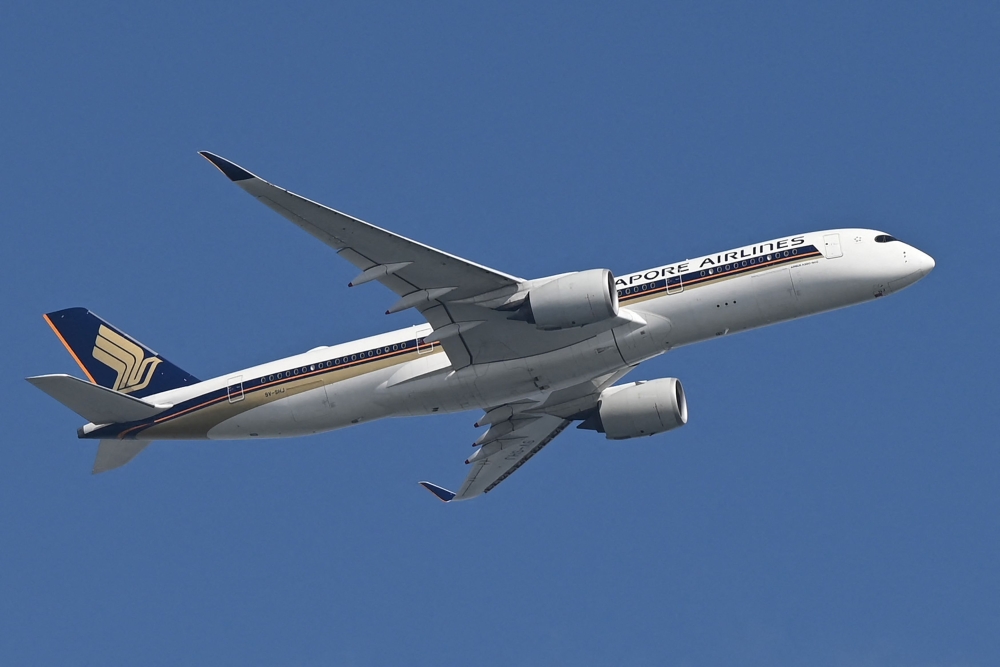
Two years after a severe turbulence incident on a Singapore Airlines flight caused the death of Geoffrey Kitchen and injuries to his British wife Linda Kitchen, the 74-year-old widow has initiated legal proceedings in the UK High Court. The airline, Singapore Airlines (SIA), was the target of Kitchen's lawsuit, seeking damages to support her specialist care due to the spinal injuries she sustained.
The tragic incident occurred on May 21, 2024, when Flight SQ321, which was en route from London to Singapore, plummeted over 54 meters in just five seconds while flying over Myanmar. Kitchen's husband, Geoffrey, was fatally injured when he fell onto his wife during the sudden plunge. Other passengers and a doctor on board attempted to resuscitate him.
The flight, which carried 211 passengers and 18 crew members, was eventually diverted to Bangkok for an emergency landing, resulting in 79 injuries. Kitchen spent 10 days in a Bangkok hospital before being airlifted back to the UK, where she remained hospitalized for an additional week. She later required significant assistance at home.
Her husband and Linda had been married for 52 years and were on a six-week holiday to Singapore, Indonesia, and Australia when the incident took place. Linda Kitchen's lawyer, Anthe Korelidou, expressed the family's desire for a comprehensive investigation into the incident, emphasizing that her primary goal was to obtain answers.
Several other passengers have also taken legal action against SIA in connection with the incident. The airline initially offered US$10,000 to passengers with minor injuries and an advance payment of US$25,000 to seriously injured passengers in need of long-term medical care. They also provided full airfare refunds to all passengers and apologized for the traumatic experience.
Following the incident, a report by the Singapore Transport Safety Investigation Bureau indicated that storm clouds, which caused the severe turbulence, had gone undetected by the aircraft's onboard weather radar. However, the report concluded that it was inconclusive whether there had been any technical issue with the weather radar system itself.
Written by urgent.news from Malay Mail's reporting — not their text. Machine-written — may contain errors; check the original before relying on it.
This story
This is one outlet's version. Read the fullest account.