Treasury ‘tells Healey’ to consider tax on banks and oil
Chancellor John Healey has been presented with a plan to tax oil firms and banks further as bosses in the sectors have posted huge profits, according to reports. Healey may look to tax businesses at this year’s Budget in order to rebuild a partly-eroded £22.7bn fiscal buffer, and fill spending pledges for defence and the [...]
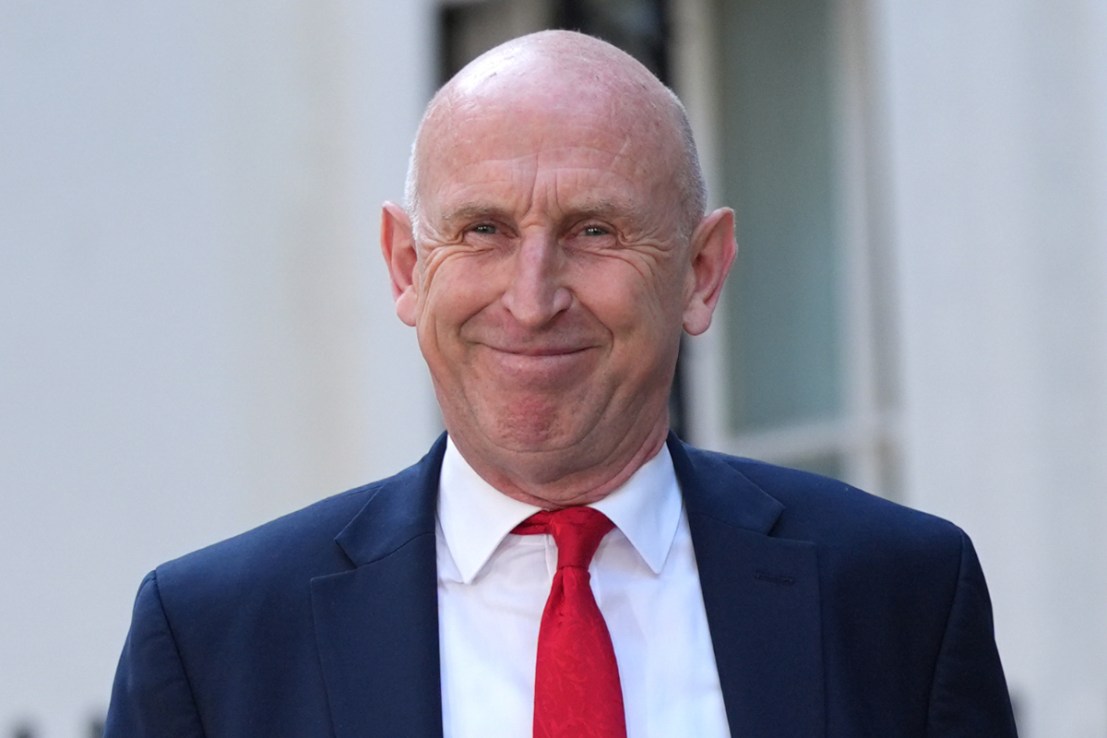
The Treasury is reportedly advising Chancellor John Healey to consider implementing taxes on banks and oil firms as part of the upcoming Budget, according to recent reports. These financial institutions have been reported to have recorded significant profits, prompting discussions about the need for additional revenue sources to bolster the government's fiscal position.
The plan may be presented in the Budget, scheduled for October 28th, aimed at bolstering a partially depleted fiscal buffer of around £22.7 billion and meeting pledges for defense spending and addressing the cost of living. Treasury insiders suggest that targeting windfall taxes on these industries could be a relatively straightforward way to boost government income.
The proposed measures could create uncertainty among financial industry leaders in the lead-up to the Budget, with Citigroup's CEO, Dame Jane Fraser, publicly expressing concerns about a potential new tax on banks. Industry representatives from UK Finance have also reached out to Healey, warning against the adverse effects that additional taxes could have on the financial services sector.
Healey faces the challenge of generating £4.7 billion in extra revenue over four years, in addition to implementing £10 billion in departmental cuts. According to the Resolution Foundation, the fiscal buffer has dwindled significantly, potentially shrinking to just £8 billion, leaving the public finances more vulnerable to external shocks such as rising energy costs.
The prospect of tax hikes is further exacerbated by the looming public sector pay increases, with the Aslef union securing a significant 3.6 percent salary boost for train drivers and LNER drivers possibly receiving a 12 percent increase over four years. These actions by unions may limit the flexibility of Healey and his counterpart, Andy Burnham, in providing financial stability to households and businesses, particularly during an era of economic uncertainty.
Written by urgent.news from City AM's reporting — not their text. Machine-written — may contain errors; check the original before relying on it.