Through The ‘Alien’ Eye: Discovering Washington, D.C. Beyond The Halls Of Power
Driving past Washington, D.C.’s broad avenues and imposing monuments from the airport, we picture stern officials in suits behind formidable facades, making decisions about war, diplomacy, and economics that ripple across the world. It is difficult to separate Washington from power. The city of the White House, Capitol Hill, and the Pentagon is where authorities define what it means to be…
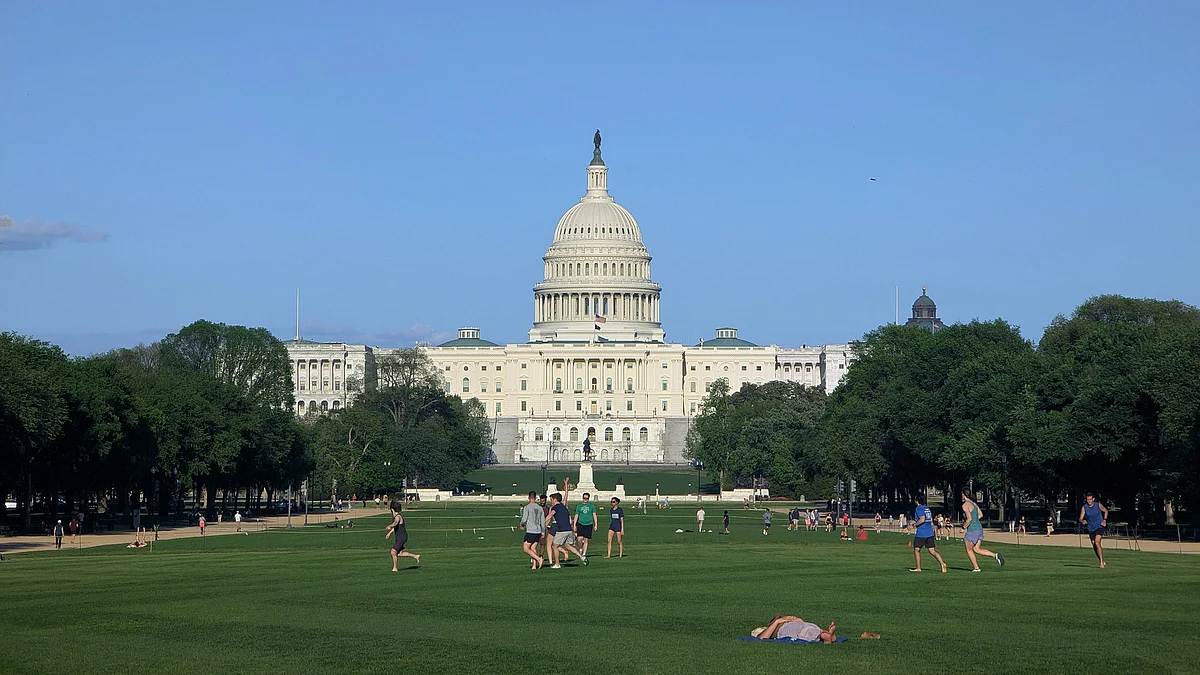
Washington, D.C. is often viewed as a city dominated by power and authority, with its iconic monuments and government buildings. However, beneath this facade lies a diverse and vibrant community with stories of individuals who have overcome adversity to make their mark on the nation. Our journey began at the Martin Luther King, Jr. Memorial, where we were inspired by King's powerful "I Have a Dream" speech and the statue's "Stone of Hope" emerging from a "Mountain of Despair".
We then visited the National Museum of African American History and Culture, where we explored the somber displays of the slave cabin and the uplifting stories of Black achievement in music, theatre, sports, and popular culture. The museum also offered interactive experiences, such as learning stepping, an Afro-American dance form.
The National Museum of American History provided a broader perspective on the country's complex, multiracial past, featuring exhibits that delved into the migration and contributions of various communities, including Indigenous groups, Latinos, Asian Americans, LGBTQ+ individuals, women, and people with disabilities.
Our next stop was the International Spy Museum, where we discovered the stories of immigrant women spies, such as Marlene Dietrich and Barbara Lauwers, who played crucial roles during World War II. This unexpected encounter reinforced the idea that outsiders have always been welcome in this city. On our second day, we ventured to the Dupont Circle neighbourhood, once the epicentre of Washington's queer life and the site of the city's first official Pride celebration.
Today, 17th Street remains a vibrant hub, with establishments like Annie’s Paramount Steak House serving as a welcoming haven for the LGBTQ+ community. We then explored the diverse culinary scene in Adams Morgan, where Ethiopian and Salvadoran restaurants offered rich flavors and cultural experiences. Continuing north, we discovered Mount Pleasant, a well-established Latino neighbourhood with Spanish as the street language.
We learned about the preservation efforts to maintain the cultural character of the area and the numerous independent shops that contributed to its unique identity. Finally, we visited U Street, known as "Black Broadway" for its thriving theatre and club scene, and the Lincoln and Howard theatres, which continue this legacy. In the Shaw neighbourhood, we enjoyed an evening of jazz in a hidden speakeasy, immersing ourselves in the cultural fusion that has shaped Washington, D.C. throughout its history.
Our journey through the city revealed that while the government buildings may define the official narrative of American identity, the diverse stories of those who have called this city home have long transcended the notion of "outsider".
Written by urgent.news from Free Press Journal's reporting — not their text. Machine-written — may contain errors; check the original before relying on it.