Systemic institutional dysfunction delaying roll-out of key defence equipment points to
India can produce defence equipment on its own, but the long time taken to deploy these indigenous weapons takes the sting out of them
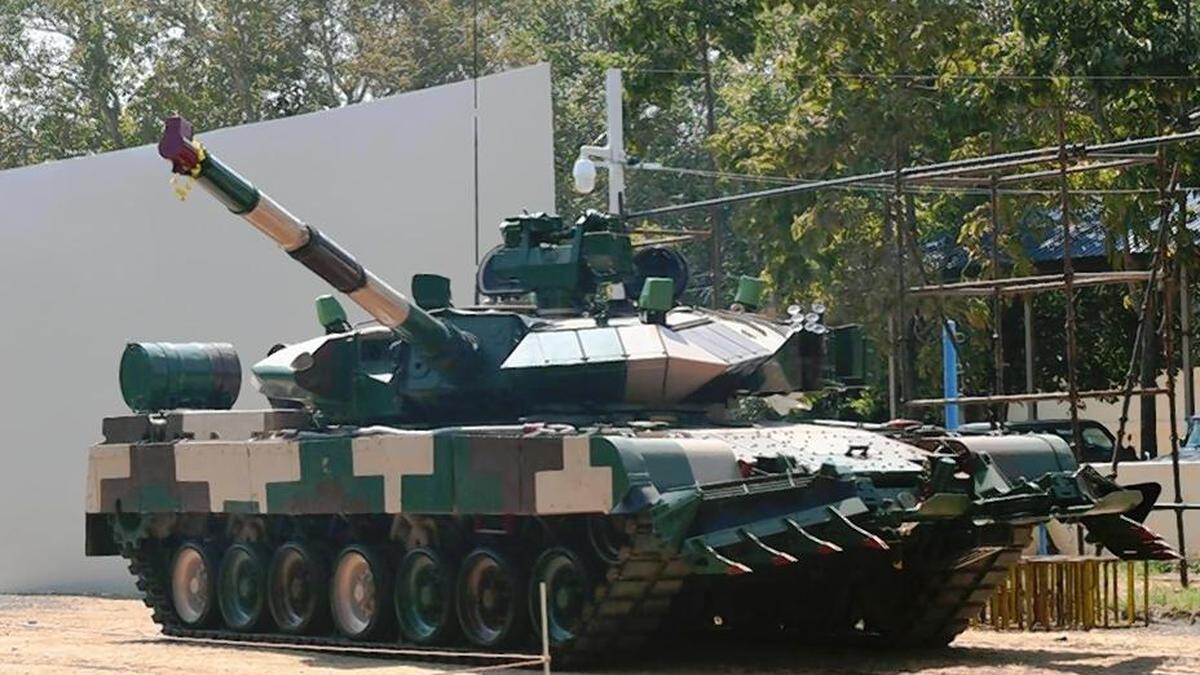
India's defence sector is thriving, with ₹1.54 trillion worth of equipment produced, a 25-fold increase in exports, and a 92% winning rate of domestic contracts. However, the Arjun Mk 1A tank, designed to outperform Russian opponents, has faced a five-year delay due to institutional issues that hindered government reforms. Although the tank outperformed imports in crucial factors like firepower, mobility, and survivability, its delivery has been hampered by bureaucratic mishaps.
The Comptroller and Auditor-General report from 2014 revealed that the Arjun performed better than its Russian counterpart despite higher benchmarks. DRDO delivered 21 days ahead of schedule with 15 upgrades and 72 modifications, but the Army trials took three years, surpassing the entire development cycle of DRDO. The delays show a system that obstructs progress rather than facilitates it, which is operationally significant.
The SAMHO missile, designed for the Arjun Mk 1A with a 5 km range, is needed to counter Pakistan's aggressive military posturing along the border.
The delay in Arjun Mk 1A deliveries is attributed to increased indigenous content requirements from 40% to 50% under the Defence Acquisition Procedure in 2020 and the corporatisation of ordnance factories in October 2021, which made the procurement indent invalid. Without the necessary purchase order, the Heavy Vehicle Ordinance Factory cannot acquire the Power Pack from MTU in Germany, delaying the integration of the SAMHO missile.
This underutilisation of a tested and proven indigenous platform is a systemic institutional dysfunction that is hindering India's defence capabilities.
Written by urgent.news from The Hindu's reporting — not their text. Machine-written — may contain errors; check the original before relying on it.