Spring sunshine to deliver hot weather for south-east Queensland
Temperatures up to 33 degrees are forecast for Brisbane this week as winter fades into memory.
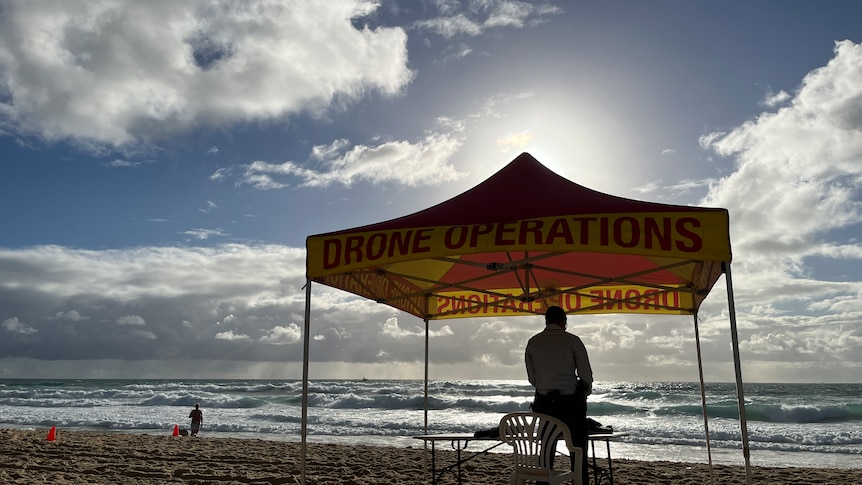
Warmer temperatures are expected to arrive in south-east Queensland as spring begins, according to forecasts from the Bureau of Meteorology. Winter rainfall across the state has been inconsistent, with some areas receiving much less than usual while others have seen above-average precipitation. Brisbane is forecast to reach a high of 33 degrees Celsius on Friday, while temperatures along the Gold and Sunshine coasts are expected to reach 29 degrees. Further inland, Longreach and Mount Isa could see temperatures climb as high as 35 degrees.
The main driver behind the changing weather patterns is a large high-pressure system over southern Australia, which is slowly moving eastward. As spring arrives, temperatures are expected to rise starting midweek. A weak trough system moving across southern Queensland later in the week will bring warmer air from inland areas down to the south-east and east coast regions.
Coastal showers are forecast for eastern districts until Tuesday, but rainfall amounts are expected to be scattered and light. Maximum temperatures should begin to ease by midweek, with the focus shifting towards heat throughout the remainder of the week.
Water temperatures at local beaches are around 20 degrees Celsius, which is typical for this time of year. Rainfall totals across Queensland have been patchy since the start of winter. Townsville has experienced its driest winter in nearly 20 years, with only four millimeters of rain recorded since June. In contrast, the stretch between Cairns and Tully has seen up to 160 percent of its winter average precipitation.
Even within the same region, the difference in rainfall can be significant. The Sunshine Coast Airport has experienced its wettest winter since 2016, receiving 284 millimeters of rain since June 1. However, just 41 kilometers away in Beerburrum, only 126 millimeters have been recorded, making it the lowest winter total since 2023.
Written by urgent.news from ABC News AU's reporting — not their text. Machine-written — may contain errors; check the original before relying on it.