SpaceX Has an Emerging Challenger in Space. Here’s the One Thing Rivals Can’t Copy.
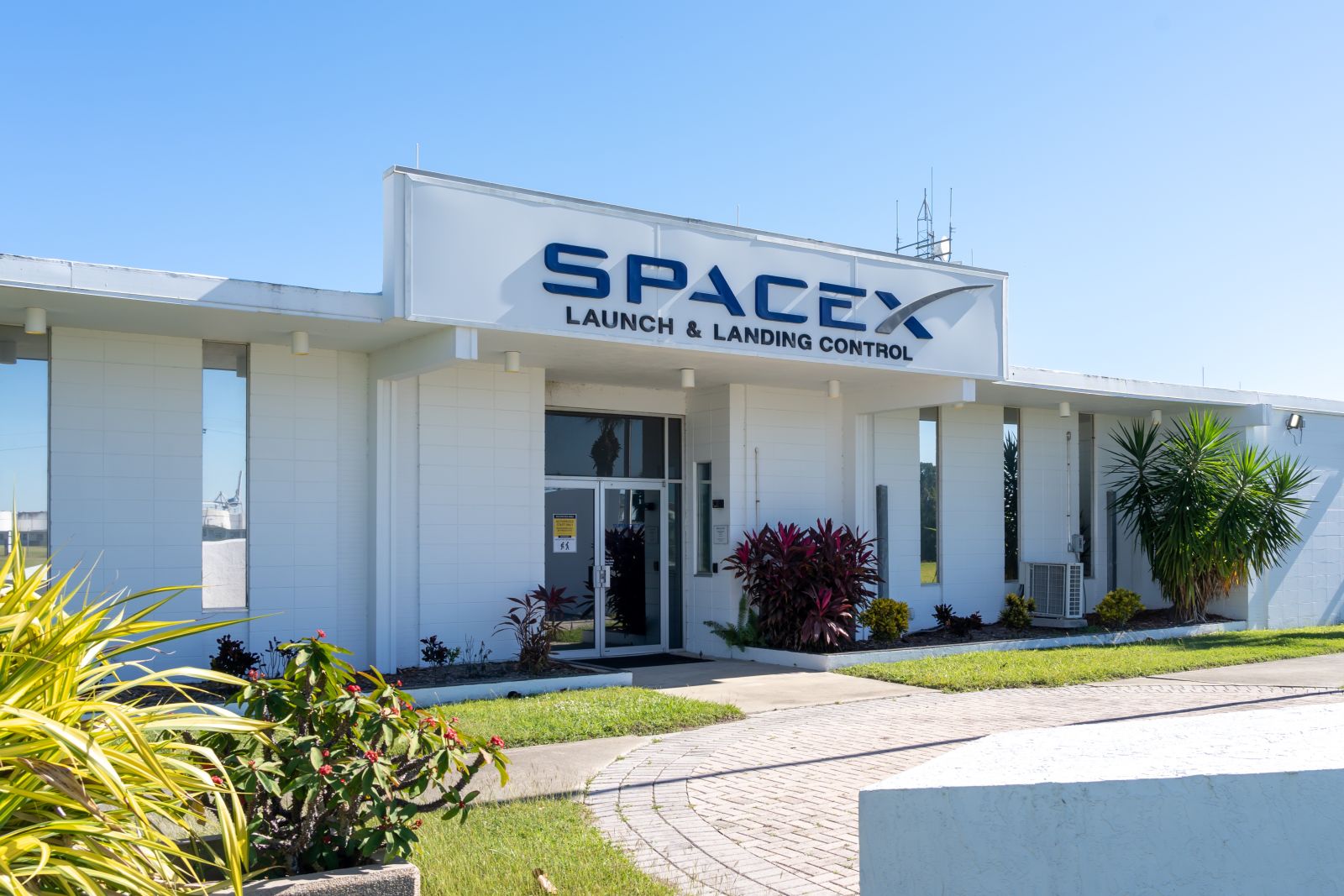
SpaceX is racing ahead of competitors in the emerging field of orbital data centers powered by artificial intelligence (AI). CEO Elon Musk announced that the first AI satellites, equipped with Nvidia chips, will begin launching in late 2027, with the network expected to reach full scale by 2028. Each satellite functions like a miniature data center in space, touted as simpler, cheaper, denser, and lighter than traditional server racks on Earth. SpaceX plans to deploy up to 1 million of these satellites.
While other startups like Starcloud are also pursuing orbital data centers, SpaceX maintains a crucial advantage: ownership of the rockets essential for reaching orbit. As SpaceX's Falcon 9 rideshare slots dwindle beyond late 2028, competitors like Starcloud may struggle to secure launches for their satellites. By the time Starcloud might attempt to launch its own orbital data center, SpaceX will likely prioritize its own satellites, leaving other companies scrambling to reach orbit first.
SpaceX's venture encompasses satellite-based broadband services across three segments: Space, Connectivity, and Artificial Intelligence. The company designs, manufactures, and launches reusable rockets for access to space, operates a broadband data and communications network via Starlink satellites in low-Earth orbit, and manages a vertically integrated AI platform consisting of Grok, AI solutions for consumers, and X, a social media platform.
Founded in 2002 and headquartered in Starbase, Texas, SpaceX's stock has experienced a 18% decline since going public in June 2026, outperforming the iShares U.S. Aerospace & Defense ETF (ITA), but remains volatile.
Written by urgent.news from Yahoo Finance's reporting — not their text. Machine-written — may contain errors; check the original before relying on it.