Services held across Australia for Nepal flood victims
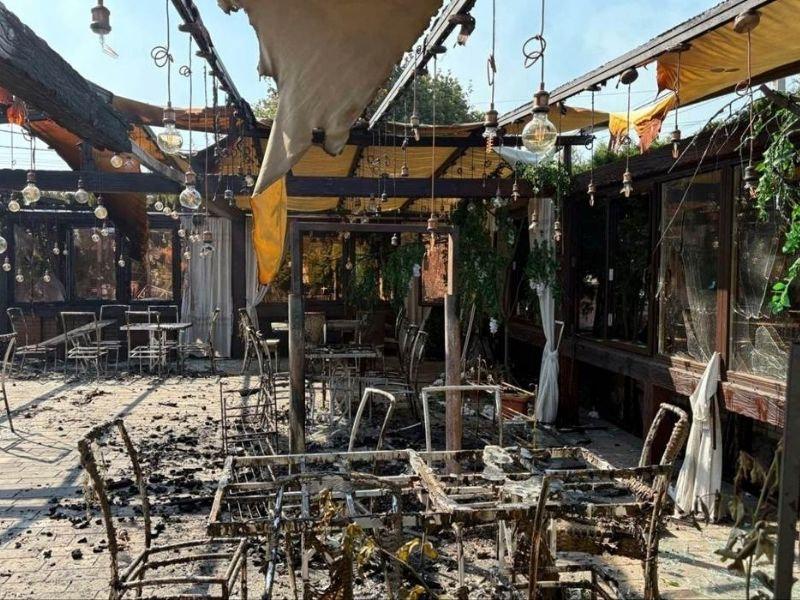
Hundreds across Australia have gathered in vigils to honour victims of the Nepal flood disaster.
Three months prior to a devastating flood in a Himalayan valley that straddles Nepal and China, leading officials from both nations convened in Kathmandu to deliberate on the risks associated with such catastrophic events, according to Reuters. The meeting, held on May 27, brought together 10 Nepali officials and around a dozen Chinese representatives, including those from the Tibet region where the disaster unfolded.
The participants emphasized the need for joint efforts to enhance monitoring and response protocols for floods, weather patterns, and glacier-related hazards, as outlined in an agenda prepared by Nepal and obtained by Reuters.
While the participants sought to bolster risk-reduction measures, such as compiling inventories of glacial lakes and conducting hazard mapping, concerns emerged regarding the information exchange between the two nations. Two Nepali officials revealed that they did not receive the comprehensive data they anticipated from China regarding glacial risks and water levels following the meeting.
They expressed apprehensions that inadequate data sharing could impede their capacity to predict and prepare for major disasters effectively.
Sauhardra Joshi, a hydrologist at Nepal's Flood Forecasting Division, who attended the May meeting, underscored the importance of early warnings regarding glacier movements and shifts in the affected area. On the other hand, China's foreign ministry declined to provide comment on the May meeting or Nepal's request for enhanced information sharing.
Binod Parajuli, another Nepali government hydrologist present at the meeting, noted that China did not possess the authority to sign an agreement adhering to Nepal's demands and instead proposed further discussions.
Details surrounding the meeting and Nepal's calls for broader cooperation in monitoring glaciers threatening communities across the border had remained unreported until now. In response to Nepal's concerns, China stated that both nations had been maintaining close communication on the matter and had made significant progress during the May meeting.
However, Nepal's officials cautioned that the pace of progress was not a decisive factor in the recent disaster, which claimed nearly 800 lives and left over 3,000 people missing across both countries.
Despite some Nepali social media users criticizing China for failing to deliver adequate warnings, the Chinese embassy defended its efforts, stating that Chinese and international experts faced considerable challenges in monitoring hazards within the remote Himalayan region. Chinese teams had shared timely information with Nepal, including forecasts of heavy precipitation in Tibet, which were relayed via WeChat messaging app and email, according to Binod Parajuli.
Twelve days before the disaster, China's World Meteorological Centre informed Nepali officials via email that a monsoon depression was anticipated in the region between August 14 and 19, warning of potential secondary and cascading hazards, including landslides and flash floods.
The discussions revolving around data-sharing shed light on the intricate nature of monitoring, forecasting, and issuing early warnings in an area dominated by competing regional powers, such as China and India, which oversee vast icy and snowy terrains adjacent to densely populated South Asian plains. The catastrophe was triggered by the collapse of a glacier in a relatively under-monitored area, and the absence of bilateral cooperation was not deemed a substantial factor in Nepal's response, as per environmental anthropologist Austin Lord, a senior fellow at the Washington-based Stimson Center think tank.
Lord emphasized that while China's scientific capacity and resources for monitoring are more robust, the lack of a well-designed system and limited exchange between Nepal and China hinders overall preparedness.
The swift inundation of the valley was visible in surveillance footage, which captured the flood's destructive force as it surged through a border crossing in Tibet as people desperately tried to escape. Twenty-six minutes after the flood began, Binod Parajuli received a call from Nepal's National Disaster Risk Reduction and Management Authority chief, who informed him of the impending flood.
Written by urgent.news from Channel News Asia's reporting — not their text. Machine-written — may contain errors; check the original before relying on it.
This story
This is one outlet's version. Read the fullest account.
- Before flood catastrophe, Nepal asked China for early warnings as risks mounted channelnewsasia.com
- ‘I saw many dead bodies’: The harrowing escape from a flooded Nepal tunnel theage.com.au
- ‘I saw many dead bodies’: The harrowing escape from a flooded Nepal tunnel smh.com.au
- Nepal flood victims fear more bodies are buried under mud aljazeera.com
- 32 injured as bus carrying Nepal flood evacuees from Rasuwa crashes in Danda hindustantimes.com
- Nepal hospital wall becomes memorial for flood victims english.ajel.sa
- Before flood catastrophe, Nepal asked China for early warnings sabcnews.com
- The green building that wouldn’t fall: How it survived Nepal’s raging flood gulfnews.com