Saudi Arabia expresses solidarity with Algeria over deadly forest fires
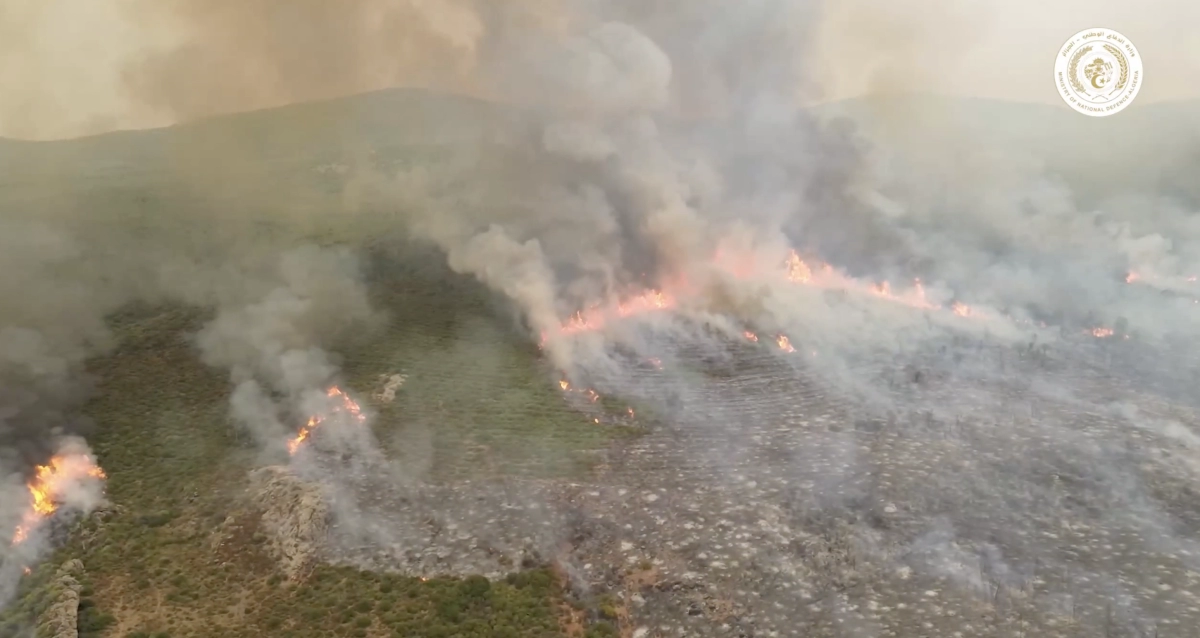
RIYADH — The Ministry of Foreign Affairs expressed Saudi Arabia’s solidarity with Algeria following forest fires in the northern part of the country that resulted in deaths and injuries. In a statement, the ministry conveyed Saudi Arabia’s sincere condolences to the Algerian government and people, particularly the families of those who died in the fires. It also wished a speedy recovery to those…
In a landmark move, the leaders of Turkey, Saudi Arabia, and Pakistan are set to convene in Istanbul for the inaugural meeting under the newly established Mecca Joint Defence Agreement. This agreement, inked earlier this month, unites the three Sunni Muslim nations, all staunch U.S. allies, in their shared concern over Iran's aggressive actions in the region and the subsequent regional conflict that has disrupted oil exports from the Gulf.
Signed on August 7, the Mecca Joint Defence Agreement aims to bolster collective deterrence against any acts of aggression, with the pact stipulating that an armed attack against any one of the three parties would be considered an attack on all, akin to NATO's collective defense clause. Top officials from the three nations - including foreign and defense ministers and chiefs of staff - will participate in the meeting, which is scheduled for Monday.
The agenda for the meeting is expected to focus heavily on international security issues, with discussions likely to revolve around enhancing defense capabilities, improving interoperability among their armed forces, and deepening cooperation in the defense industry. This includes potential joint production and development initiatives.
Despite the shared concerns about the military postures of Israel and revolutionary Shiite Iran, the negotiations between the three nations have hit a standstill. This impasse comes amidst a global energy crisis triggered by the U.S.-Israel war launched against Iran six months ago. In response, President Donald Trump's administration has ramped up its efforts to financially penalize Iran, branding it an "economic D-Day."
Interestingly, Turkey, which boasts the second-largest military within NATO, has indicated that the pact with nuclear-armed Pakistan and oil-exporting giant Saudi Arabia could be expanded in the future. Egypt, a potential candidate, is being eyed as a possible addition to the alliance. Importantly, the Mecca Joint Defence Agreement is not seen as an attempt to replace existing alliances, but rather as a new forum for collective defense and security cooperation.
Written by urgent.news from Free Malaysia Today's reporting — not their text. Machine-written — may contain errors; check the original before relying on it.
This story
This is one outlet's version. Read the fullest account.
- Turkey, Saudi Arabia, Pakistan to hold first defence pact meeting, source says al-monitor.com
- Turkey, Saudi Arabia, Pakistan to hold first defence pact meeting, source says koreatimes.co.kr
- Pakistan, Turkiye and Saudi Arabia unite for defence: PM Shehbaz dailytimes.com.pk
- Saudi Arabia deports more than 14,900 after nationwide residency crackdown gulfnews.com
- Turkey, Saudi Arabia, Pakistan to hold first defence pact meeting, source says hindustantimes.com
- Thunderstorms to continue in parts of Saudi Arabia this week, says weather center english.ajel.sa
- Turkey, Saudi Arabia, Pakistan to hold first defence pact meeting freemalaysiatoday.com
- (profile) Ambassador to Saudi Arabia tapped as new defense minister nominee en.yna.co.kr