Sardine deaths spread to another province as department investigates possible virus link
The department's previous update had reported a lull in incidents.
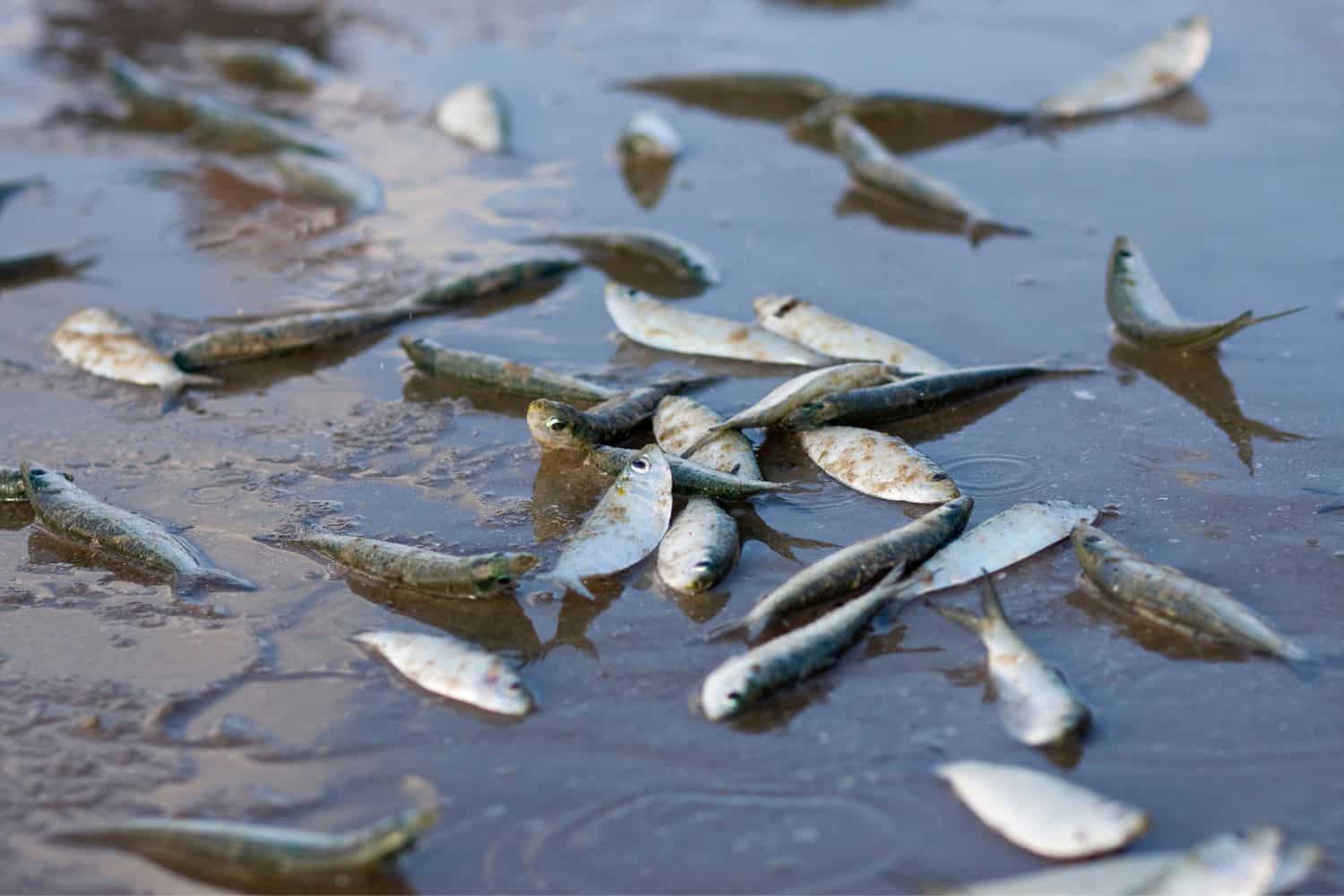
The Department of Forestry, Fisheries and the Environment (DFFE) is investigating a new wave of sardine deaths around Gqeberha, South Africa, according to a report on August 29, 2026. This comes after the previous wave of sardine mortalities linked to pilchard herpesvirus (PHV) appeared to subside earlier in the month. While no new mass-mortality incidents had been reported since August 16, isolated sightings of dead sardines were observed at Bakoven, Cape Town, and off Tsitsikamma.
A significant event occurred in the Eastern Cape on August 27, with numerous sardines washing ashore around Gqeberha and floating offshore within the harbor.
The DFFE is also investigating reports of sardine strandings in Namibia, where Namibian authorities have agreed to provide samples for PHV testing. Additionally, sardines have been found in Eskom's Koeberg power station's cooling-water intake basin, with seals feeding on them. Departmental access to the site has been restricted due to a pending sardine sample for testing.
The department remains cautious about the cause, stating that PHV remains the leading explanation for the Western Cape mortality event. However, they consider a link with the Gqeberha event likely but require confirmation. Other causes and environmental contributions will also be investigated. An intergovernmental task team met on August 26 to assign responsibilities and develop a response plan, with a scientific review scheduled for September 4.
Commercially produced canned sardines remain safe for consumption, according to the department. Yet, they warn the public against collecting or eating wild fish due to the risks associated with their decomposition. The department reassures that PHV is not known to infect people. A stock survey is planned for October and November, and the DFFE will provide further updates as results and management decisions become available.
Written by urgent.news from The Citizen's reporting — not their text. Machine-written — may contain errors; check the original before relying on it.