Prices are up and more pain is likely at the supermarket check-out
If you feel like grocery prices have gone up over the past year, it's because they have. Research shows a typical grocery bill at Woolworths last year was $213.89, while in 2026 the same items cost $232.02, up 8.5 per cent.
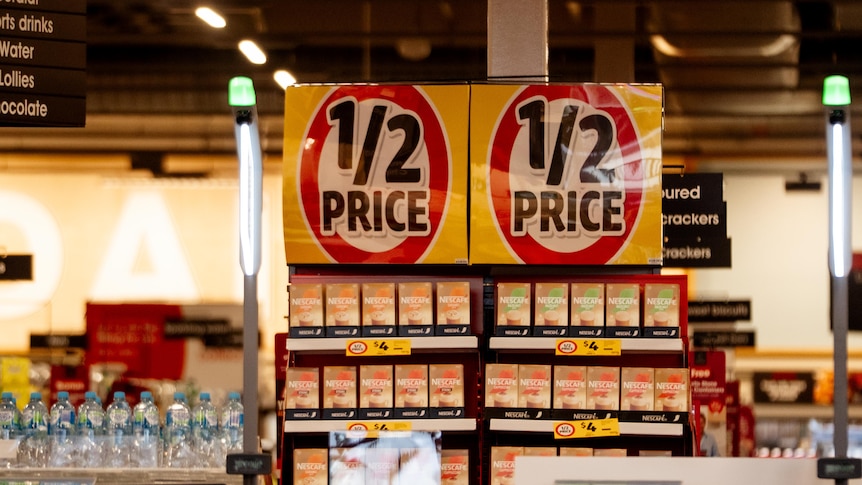
Since the past 16 months, grocery shopping in Australia has seen prices soar beyond wage growth. The UK, however, showcases a more competitive supermarket structure where some store prices even dropped by 2 per cent. Australians are calling for a royal commission to investigate the roots of inadequate competition among major supermarkets and the necessary legislation to address this issue.
The spike in grocery prices is evident; a meal that once cost $300 a week last year now feels like a $400+ weekly shop. Experts like Lisa Asher, a retail academic researcher at the University of Sydney, pinpoint that wages are not keeping pace, leaving shoppers to truly feel the strain at checkout. Canstar, a consumer research company, compared grocery prices at Woolworths from March 2025 to July 2026, and found a 8.5 per cent price increase.
The basics like milk and mince have increased in price, mirroring the impact of adverse weather events on farming. Consumers are adapting by bulk buying, opting for frozen items, and even replacing meat with alternatives like lentils. However, these adjustments don't seem to cover the rising costs. Chris Jackson feels the financial pinch, stating that feeding a family of four now costs around $400 plus.
Anne Coleman, who lives alone, notes a $20 to $30 increase in her weekly shop. While she's spending more, she perceives receiving less in terms of quality and quantity. Sea Miller points to the rapid rise in butter and sunscreen prices, with a single tube of sunscreen costing $4.50 after a year. Woolworths' profit surged by 18 per cent to $1.1 billion, while Coles reported a $1.1 billion full-year profit.
The war in Iran, starting in February, is also contributing to higher grocery costs, impacting fertiliser, fuel, and logistics expenses. Lisa Asher attributes the price surge to "greedflation," where supermarkets are reaping record profits while consumers bear the burden. Differences in grocery prices across states are mostly due to variations in fruit and vegetable costs.
The ACCC is monitoring Coles and Woolworths for excessively priced items, with the power to fine supermarkets that overprice. However, proving excessive pricing can be challenging. Asher calls for a royal commission into big retail, including entities like Wesfarmers and Amazon, to understand the factors behind inadequate competition and the required legislative measures to address the issue.
Written by urgent.news from ABC News AU's reporting — not their text. Machine-written — may contain errors; check the original before relying on it.