PNB built ownership, now it must build depth — Ashurov Sharofiddin and Mohd Zaidi Md Zabri
AUGUST 30 — Malaysia has spent decades building national wealth. The harder question, as the country marks its 69t...
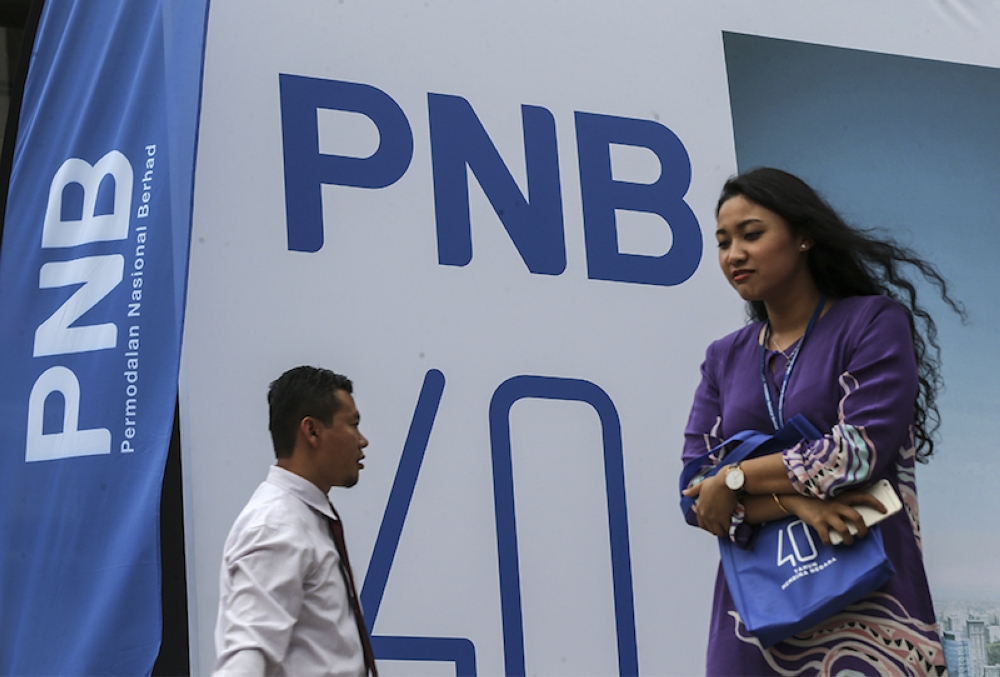
Malaysia's journey toward national independence began in 1957, granting Malaysians the power to shape their own destiny. Yet, political freedom alone did not ensure economic independence. The nation's institutions, particularly Permodalan Nasional Berhad (PNB), have been striving to bridge the gap between economic growth and widespread ownership of that growth.
Established in 1978 under the New Economic Policy, PNB's mission was to uplift the Bumiputera community and all Malaysians through collective investment. This vision materialized in the 1970s with the launch of Amanah Saham Nasional Berhad and Amanah Saham Nasional, providing Malaysians with a chance to pool their savings and gain professional management of their investments in national assets.
These funds transformed the abstract concept of national wealth into tangible holdings that ordinary families could track and grow, paving the way for intergenerational prosperity. Today, PNB's assets under management have reached RM365.3 billion, with 294.8 billion units in circulation and 13.1 million unitholders. The ASB fund alone boasts 11.4 million investors, indicating that nearly half of Bumiputera Malaysians have a stake in this fund.
While these figures showcase Malaysia's economic progress, PNB's future challenges lie in ensuring that household wealth is not only owned but also sustained and leveraged for long-term security. The distinction between having an account and truly benefiting from one is crucial. PNB recognizes this and is actively addressing it through social investment initiatives, financial literacy programs, and corporate governance.
These efforts aim to turn the growing number of account holders into households with durable financial assets, ultimately contributing to a resilient Malaysian economy.
Written by urgent.news from Malay Mail's reporting — not their text. Machine-written — may contain errors; check the original before relying on it.