Nature reserves spot rare species during heatwaves
A wildlife trust says unusually hot weather and increased monitoring has led to interesting finds.
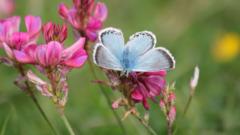
Some rare species have been discovered in nature reserves across Hertfordshire and Middlesex this summer, including a great white egret and over 300 Chalkhill blue butterflies. The Herts and Middlesex Wildlife Trust recorded these findings, attributing the sightings partly to the unusually hot weather but also to increased surveying and monitoring efforts.
Senior reserves officer Dan Townsend noted these extraordinary records, highlighting species that hadn't been seen in decades in the region. The trust, managing more than 40 reserves covering nearly 810 hectares, has also observed flourishing grasshopper populations and butterflies completing their life cycles more quickly. Conversely, bumblebees and hoverflies have struggled during the heatwave.
Notably, the Herts Invertebrate Project, established in 2015, discovered several significant findings, including the presence of Euides basilinea and Zygina hyperici species in previously unrecorded locations. These discoveries provide crucial insights into species presence, distribution, and environmental responses, aiding effective nature reserve management.
Written by urgent.news from BBC Science's reporting — not their text. Machine-written — may contain errors; check the original before relying on it.