Myopia prevention in Japan reaches a milestone
For the first time, Japan's Basic Policy includes language on preventing childhood myopia. It's a start, but more must be done.
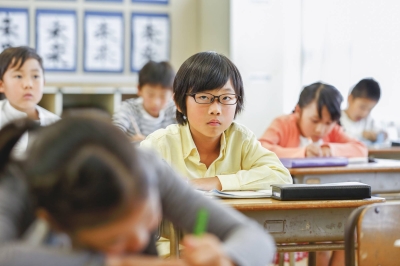
Somewhere in Japan this spring, a child who once effortlessly read the blackboard in first grade began squinting by third grade. In just two years, that child's myopia had roughly tripled. This phenomenon has become an accepted part of childhood, a routine trip to the optician for glasses, and life continues as usual. However, myopia is more than a mere inconvenience; it is a preventable disease.
As a dedicated ophthalmologist and medical researcher, I have observed this epidemic unfold slowly over time, arguing through books, newspaper articles, and peer-reviewed research that its true severity has been vastly underestimated. This summer, for the first time in Japan's history, the government recognized the problem. The nation's Basic Policy for 2026, the guiding document for the country's economic and fiscal direction, now contains language on preventing childhood myopia. This is a significant milestone, marking a turning point after years of tireless advocacy.
Written by urgent.news from Japan Times's reporting — not their text. Machine-written — may contain errors; check the original before relying on it.